
What Is DRS in Cricket and How Does a Review Actually Work?
 Available in US
Why DRS Exists and What Problem It Was Meant to Solve
The first time I watched a DRS review live at a county ground, the bloke next to me leaned across and asked what the T-shape with the hands meant. I told him, and he nodded — then asked why we needed it at all. Fair question. Cricket umpires were doing the job for over a century without help, and most of the time they got it right.
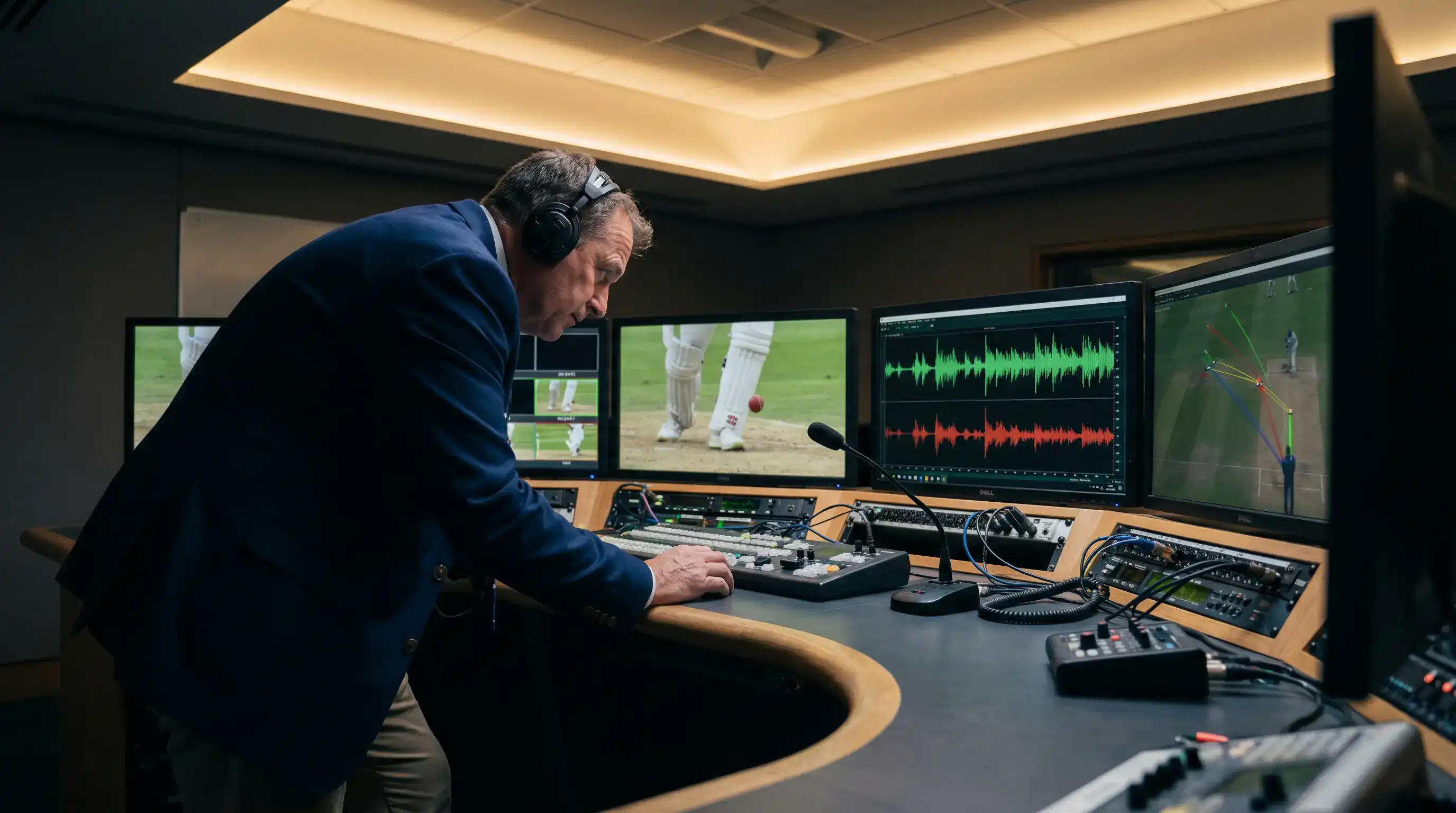
The honest answer is that “most of the time” stopped being good enough once television broadcast every angle in slow motion. By the late 2000s, viewers could see the inside edge before the umpire’s finger had finished going up. The Decision Review System was the sport’s way of catching up with its own coverage. It started as a trial in 2008 in the Sri Lanka–India series and became standard in international cricket within a few years.
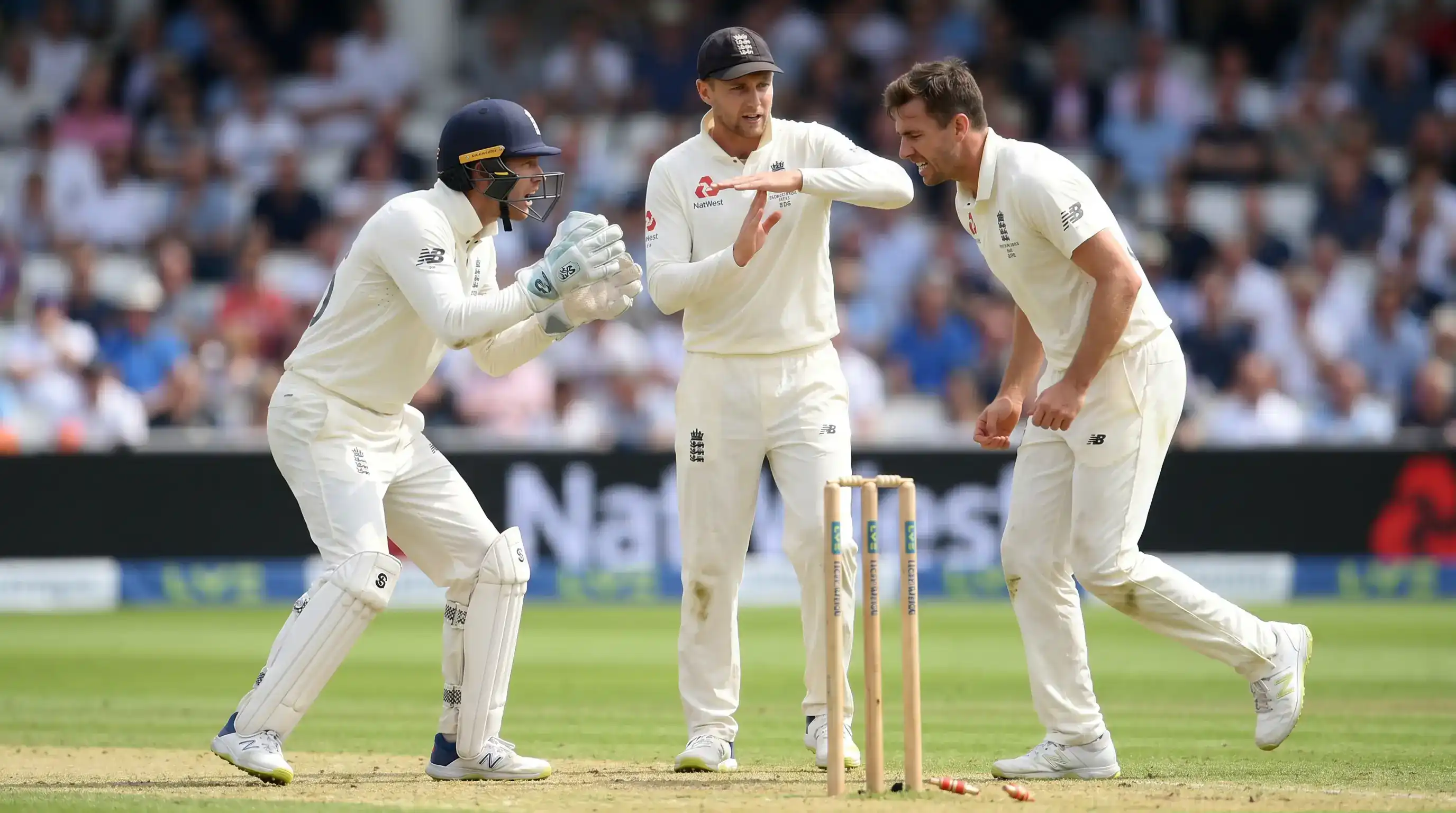
DRS is not about replacing the umpire. It is about giving players a controlled way to challenge the on-field call when they think the camera and microphone will tell a different story. Across Test matches, the system now sits behind roughly fifteen percent of all wickets — sometimes confirming the umpire, sometimes overturning, sometimes leaving the original decision in place by the slimmest of margins. That last category is where the heat lives, and I will get to it.
The point worth holding on to is this: DRS exists because the sport publicly accepted that human eyes, however experienced, cannot resolve a 145 kph delivery clipping the bail at the precise moment of impact. Technology can. The structure of the review is what makes the use of that technology trustworthy.
How a Review Is Triggered on the Field
I always tell people new to cricket to watch the captain’s face the moment the umpire raises a finger or shakes his head. That micro-expression — head tilt, glance to the keeper, raised eyebrow — is where every review starts. There is a window of fifteen seconds between the decision and the review request, and that clock is not generous.
For a player-initiated review, the convention is the T-sign. The fielding captain makes the shape with both hands if the appeal was turned down. The dismissed batter makes it if they were given out and disagree. The signal must come from the player, not from the dressing room, and certainly not after a glance to the big screen. Coaches are not allowed to interfere, and umpires will refuse a review if they suspect the signal came late or after a teammate flagged something from the dugout.
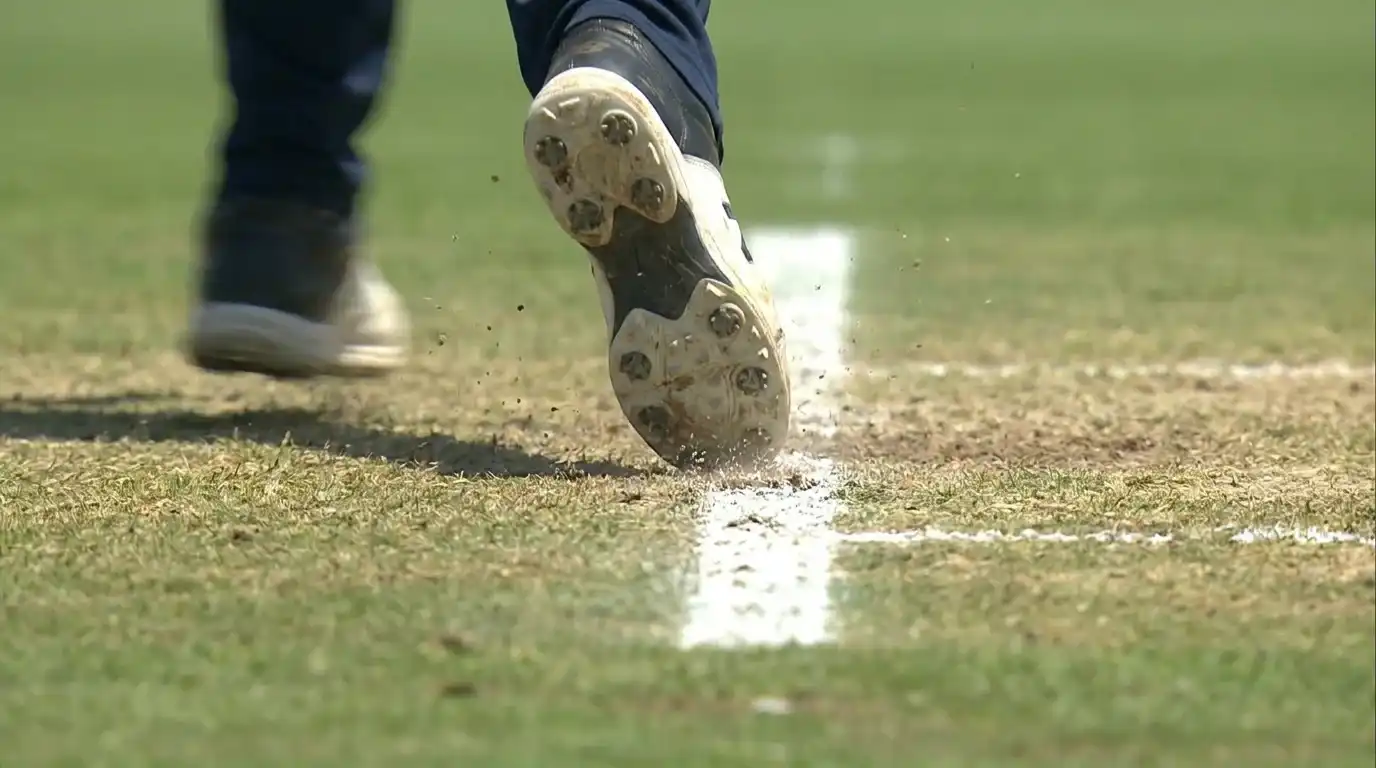
What makes the fifteen-second window interesting is the psychology behind it. Captains learn to read their bowler and their keeper because those two are closest to the action. The keeper hears the edge, the bowler sees the trajectory and feels the release. If both look certain, you go upstairs. If either hesitates, you usually do not.
The on-field umpires then signal the T to the third umpire, who takes over. The crowd usually goes quiet at this point — partly because nothing dramatic is happening on the pitch, partly because everyone is squinting at the big screen waiting for the verdict.
Step by Step: What Happens After the T-Sign
Most viewers think the third umpire watches a single replay and makes a call. The reality is more methodical. The review unfolds in a fixed sequence, and that sequence is the same regardless of whether the appeal was for caught-behind, leg-before, or a bat-pad chance.
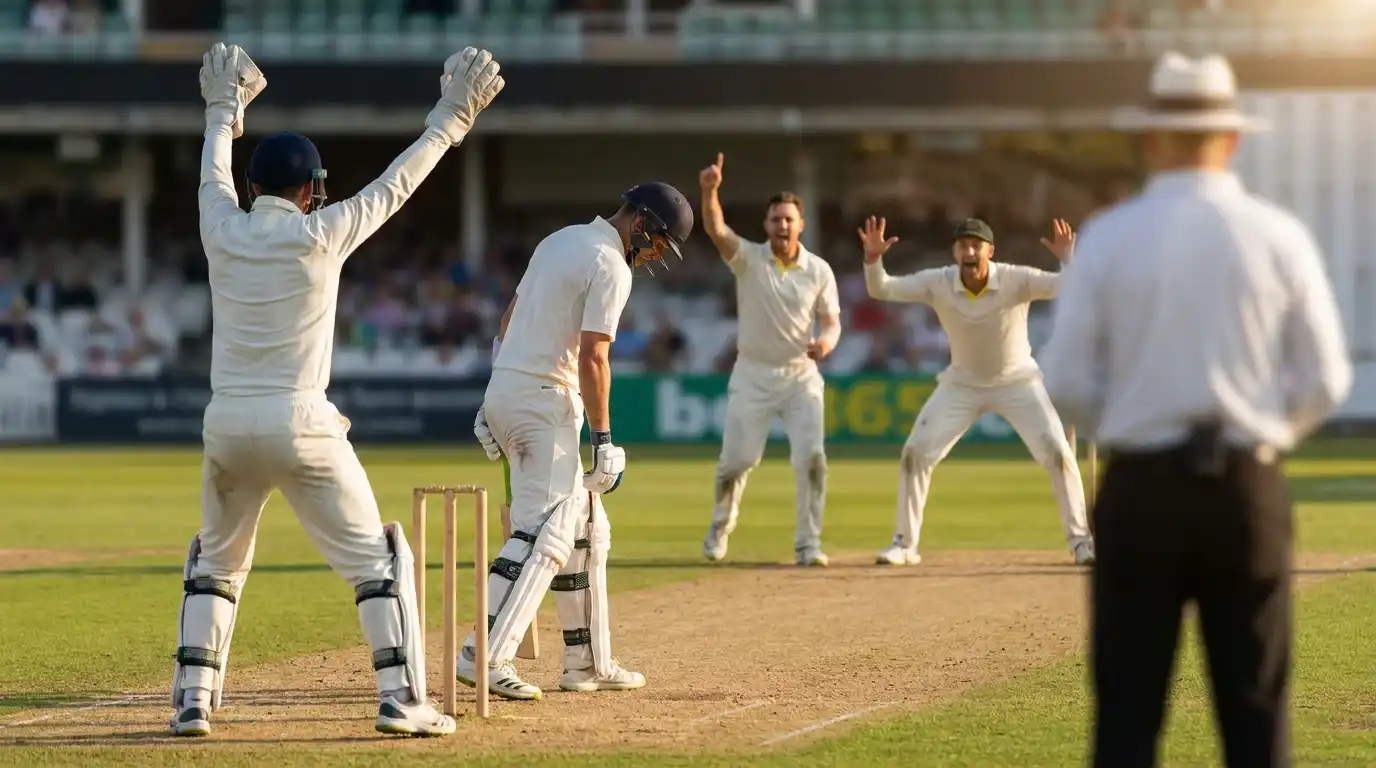
First, the third umpire checks for a no-ball at the front foot. If the bowler has overstepped, the wicket is null and void before any other tool comes out. This step alone has cost teams reviews and overturned dismissals more often than people realise.

Second comes the edge check. The third umpire pulls up the audio waveform alongside the slow-motion video, looking for a spike that lines up exactly with the moment the ball passes the bat. This is where UltraEdge does the heavy lifting. A clean spike between bat and pad usually settles it. A spike at the moment of contact with pad alone usually settles it the other way. The grey zone is when the spike is faint or arrives a frame after the apparent contact.
Third, if the appeal is leg-before-wicket, the ball-tracking system takes over. Hawk-Eye reconstructs the delivery’s path from release to interception, then projects where it would have gone next. Three checks happen inside this: pitching, impact, and wicket. The screen graphic walks the third umpire through each, with the colours red for “out”, green for “not out”, and yellow for “umpire’s call”.
Once those checks are complete, the third umpire passes the verdict to the on-field umpire over the earpiece. The on-field umpire either repeats the original signal or reverses it. The whole sequence usually runs between sixty and ninety seconds. On a tight LBW with multiple grey-zone calls, it can stretch past two minutes, and that is when the broadcast tends to fill in with analysis from the commentary box.
The Three Checks: No-Ball, Edge, Trajectory
I keep coming back to those three checks because once you understand the order, you stop being surprised by the outcome. Reviews are not lottery tickets. They follow logic, and the logic is the same every time.
The no-ball check is binary. The bowler’s front foot must have some part behind the popping crease at the moment of landing. Cameras dedicated to the popping crease provide the frame. If the foot is over the line entirely, the delivery is a no-ball, and the dismissal is wiped — even if the batter was caught at slip from a clear edge.
The edge check operates across audio and visual layers. Audio alone is not conclusive because pad slaps and ball-on-glove contact can mimic an edge. Visual alone is not conclusive because a fine edge may pass too quickly for the camera to see clearly. UltraEdge combines them: the spike must arrive at the exact frame the ball is closest to the bat. Hot-Spot used to add a thermal layer, but it has largely fallen out of use in recent years for cost and reliability reasons.
The trajectory check is the most contested. Hawk-Eye predicts where the ball would have hit the stumps had the pad not intervened. The system has known margin of error — measured in millimetres — and that margin is what produces the umpire’s call zone. If the predicted path is touching the stumps but not clearly hitting them, the original on-field decision stands. That seems straightforward until you watch a Test match where two near-identical balls produce opposite outcomes simply because the first was given out and the second not out by the on-field umpire.
If you want the deeper picture on how each of these systems works under the bonnet — including how the prediction is calculated and where the error bars come from — that material sits inside our broader piece on cricket officiating technology.
How Many Reviews Each Team Has and Why
The review allocation is one of the most strategically interesting parts of the system, and it is often misunderstood by viewers who think reviews refresh after each session.
In Test cricket, each team is allowed three unsuccessful reviews per innings. The “unsuccessful” part is key. If a review confirms the umpire’s original decision, you lose one. If it overturns the decision, you keep your full allocation. If the verdict is umpire’s call, you also keep the review — the rule changed in 2017 to recognise that a yellow-zone trajectory should not punish the side that asked the question.
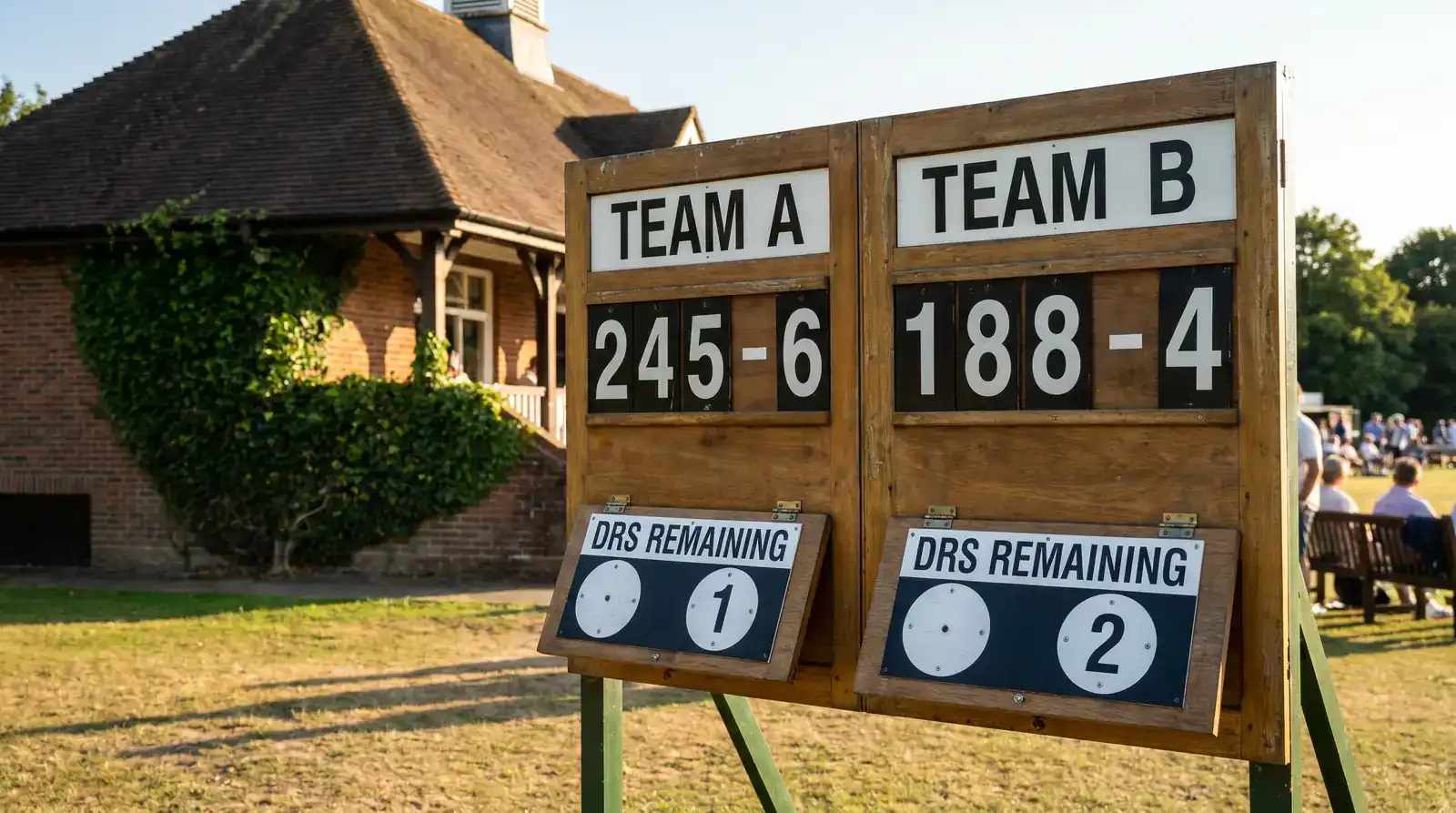
In ODI and T20 internationals, each team gets two reviews per innings, with the same rules around umpire’s call.
The strategic layer kicks in around the second hour of an innings. Captains who have burned two reviews early — usually on hopeful caught-behind shouts — start to ration the third. Bowlers who would normally lobby for a review get talked out of it by the keeper. That dynamic is one of the things that separates a good Test captain from a great one. Knowing when not to review is harder than knowing when to.
One layer worth knowing: reviews carry forward across overs but reset between innings. A team that finishes its first innings with one review left does not start the second innings with it. The allocation resets.
Prepared by the Stumply editorial staff.
