
Umpire's Call in Cricket: What It Means and Why It Still Divides Fans
 Available in US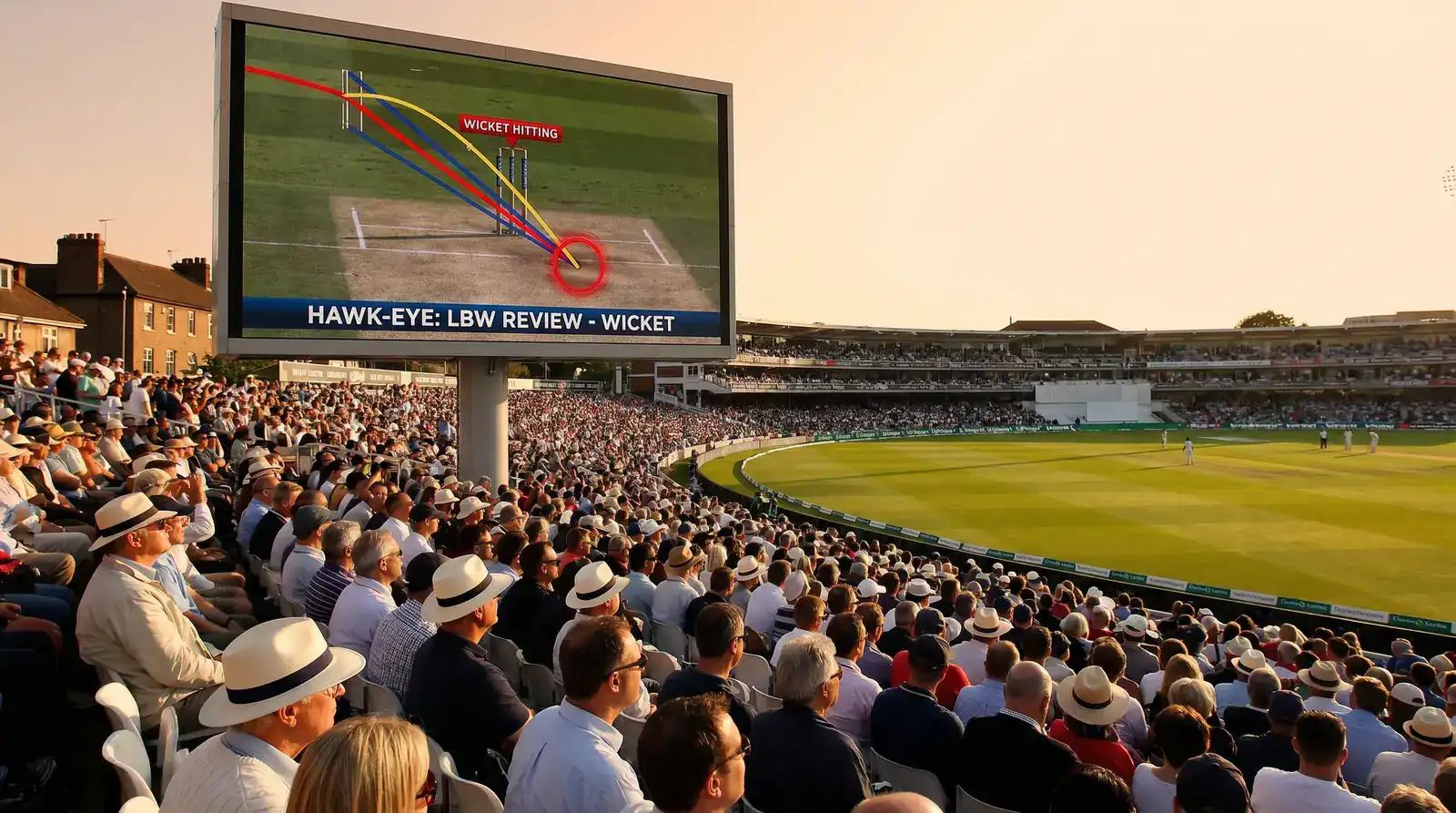
The One Outcome That Frustrates Both Sides
The first time I saw a near-identical pair of LBW decisions go opposite ways in the same Test innings, the bloke I was watching with — a season-ticket holder at Headingley for thirty years — turned to me and said the rule was either brilliant or broken, depending on which side you supported. He was not wrong.
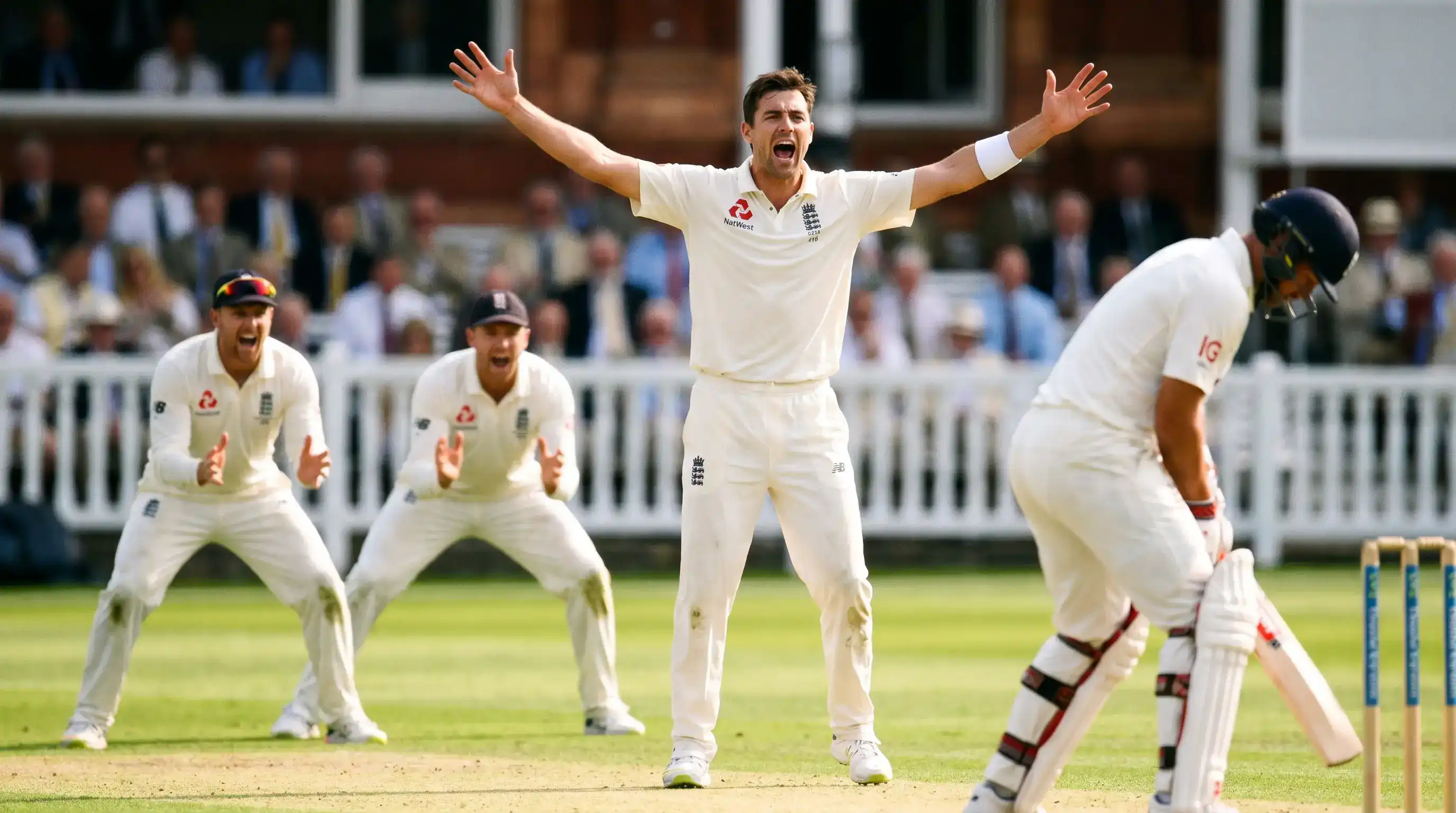
Umpire’s call is the verdict in DRS reviews where the ball-tracking technology cannot say with sufficient confidence that the on-field umpire got it wrong. The original decision stands. The team that asked the question gets none of the satisfaction of an overturn, and the opposition gets none of the closure of a clean confirmation. Everyone walks away slightly annoyed, and the next time a similar ball happens, the same thing might play out the other way.
This is not a bug in the system. It is a deliberate feature, and it exists because Hawk-Eye has a published margin of error. The technology cannot certify what the rulebook does not allow it to certify. Once you understand that, the rule starts to make sense, even when the outcome on a specific ball feels unfair.
The Concept Behind Umpire’s Call
Hawk-Eye’s predictive uncertainty after impact sits at around two millimetres. That number — published by the system’s operators — is the foundation of the entire umpire’s call concept. When the predicted ball path is clipping the stumps by less than that margin, the system cannot say with confidence that the ball would have hit. It can only say the prediction is consistent with hitting, and consistent with missing.
In a courtroom, this would be reasonable doubt. In cricket, the equivalent is that the on-field umpire’s original decision stands. If he gave it out, it stays out. If he gave it not out, it stays not out. The system is not overturning him because the technology does not have grounds to.
The visual on the big screen makes this clearer than the rulebook ever could. The wicket zone is highlighted, and the predicted ball path is shown clipping the edge of it. The relevant impact point shows up in yellow rather than red or green. Yellow means the system found the verdict inside the umpire’s call zone, and the decision reverts to the on-field call.
What viewers sometimes miss is that umpire’s call applies to all three Hawk-Eye checks in an LBW review: pitching, impact, and wicket. If the ball pitched on the line of leg stump but the prediction puts its centre marginally outside, that pitching call can be umpire’s call too. Most umpire’s call verdicts in practice come from the wicket check — the ball clipping the stumps by a few millimetres — but the principle applies across the full sequence.
The Wicket Zone and the 2021 Tweak
The size of the wicket zone is the single most contested definition in cricket officiating, and the ICC has revised it more than once. The major adjustment in 2021 extended the area considered “hitting the stumps” upward, to the top of the bails rather than just the line of the bails themselves.
The change sounds trivial, but it is not. Before the tweak, a ball clipping the top of the leg bail might fall outside the formal wicket zone and produce an umpire’s call rather than an overturn. After the change, the same ball was inside the zone and could produce a clear overturn. The baseline overturn rate for clear LBW reviews — those not in the umpire’s call zone — rose from around 22 percent to 27 percent after the 2021 update.
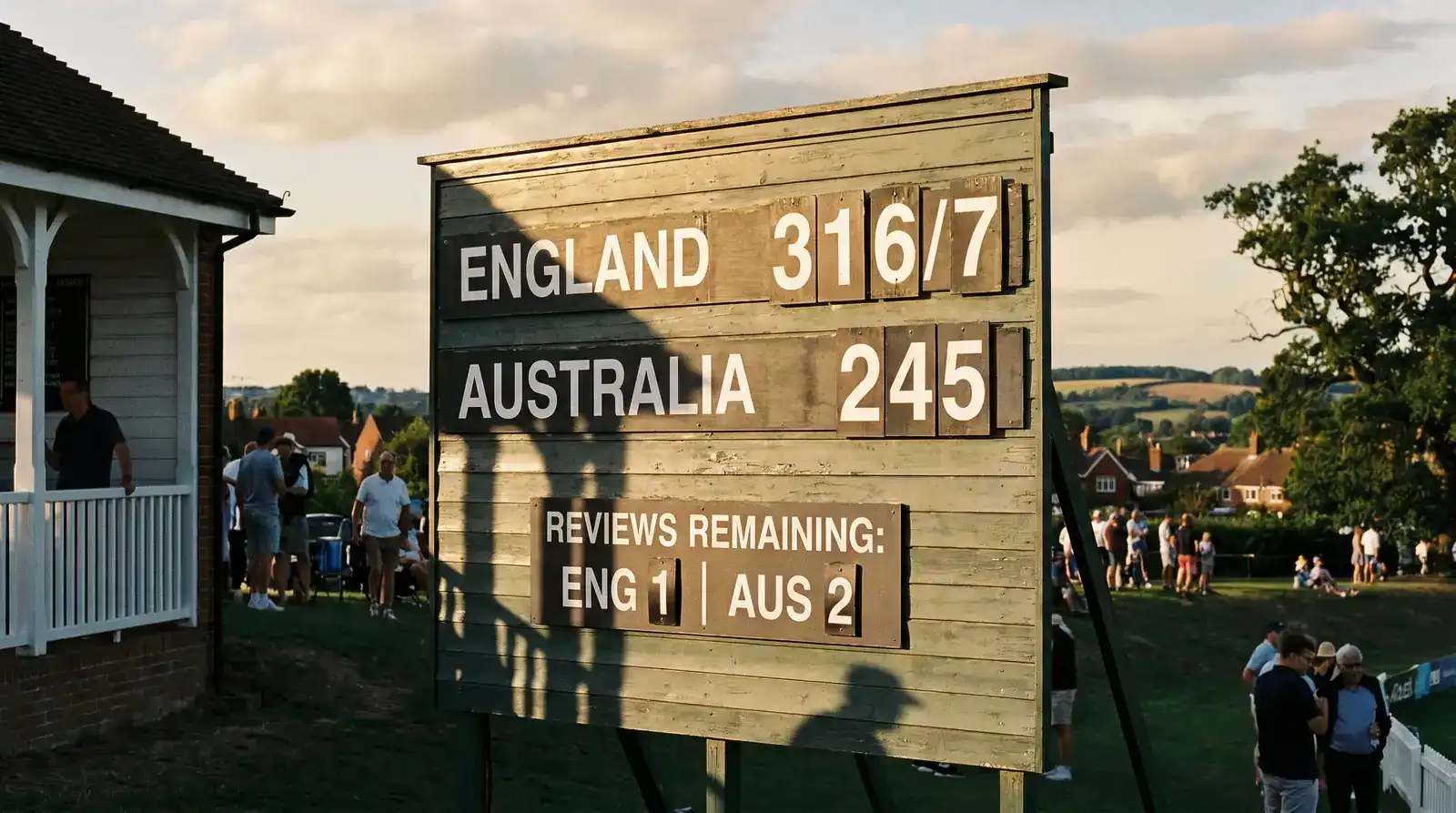
A five-point swing in overturn rate is significant. It means roughly one in twenty borderline LBW reviews that would previously have stayed with the on-field decision now flip the other way. Captains who learned their review strategy under the old rules had to adjust. Bowlers who were used to seeing certain trajectories go their way had to recalibrate. The change rebalanced LBW reviews in favour of the bowler, slightly but measurably.
The rationale for the change was simple. The stumps are not flat — they are three-dimensional objects with bails sitting on top. A ball hitting the top of the bail is, in the physical sense, hitting the wicket. The pre-2021 rule had drawn an arbitrary line at the height of the bail base, ignoring the bail itself. Bringing the zone up to include the bails matched the geometry of the actual stumps, which is hard to argue with on first principles.
What Umpire’s Call Does to a Team’s Reviews
This is the part that genuinely changed in 2017 and that confuses viewers who have not watched cricket consistently since. Under the original DRS rules, an umpire’s call verdict cost the reviewing team their review. The logic was that the system had not overturned the decision, so the review had not been successful, and therefore the team had used one of their allotment.
The change came after years of player complaints, and it was a fair one. If the system was telling you the call was within the margin of error — neither clearly out nor clearly not out — punishing the team for asking the question seemed harsh. The rule was updated so that an umpire’s call verdict keeps the reviewing team’s full review count. They do not lose one for asking, even though the on-field decision stands.
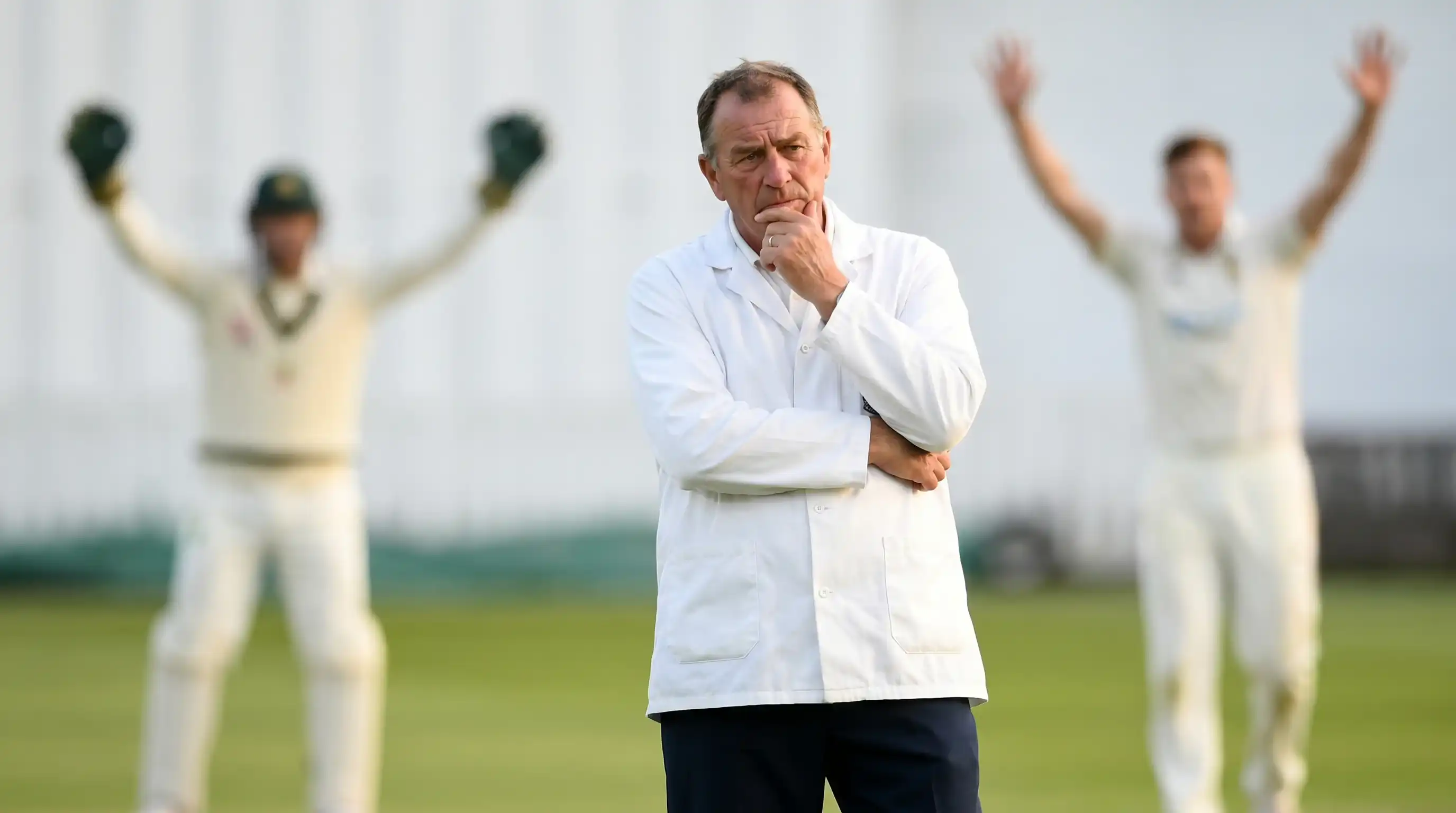
The strategic effect of this was immediate. Captains became more willing to review borderline LBW shouts because the downside of an umpire’s call was no longer a wasted review. The number of LBW reviews went up. The number of successful overturns stayed roughly proportional, because the new reviews tended to be the marginal ones that produced umpire’s call verdicts.
For viewers watching a Test match, the practical takeaway is that umpire’s call is no longer a “free” outcome from the team’s perspective. It is a no-cost outcome. The team neither gains nor loses from the decision, but the on-field call remains binding. That asymmetry is what produces most of the debate.
The Case For and Against Keeping It
The argument for keeping umpire’s call rests on a single principle: the technology has a margin of error, and pretending otherwise would be dishonest. If Hawk-Eye is accurate to within a few millimetres, then verdicts inside that margin cannot be treated as conclusive. Replacing the on-field decision with a coin flip would not be an improvement, and replacing it with a “ball clipping = out” rule would simply move the controversial threshold one millimetre over without resolving the underlying issue.
The argument against rests on a different principle: consistency of outcome. Two batters facing two near-identical balls should not get opposite results because of an on-field umpire’s initial guess. Critics argue that this creates a lottery in close calls and that fans of the losing team will always feel cheated. The fix they propose is to make any clipping of the stumps an out, period, regardless of how marginal.
I sit somewhere in the middle. The system as it stands is consistent in process even if not in outcome — the same ball-tracking rules apply to every review, and the same margin of error is published. What changes is the on-field decision that triggers the review, and that is the human element the technology was never designed to remove. Replacing it would mean ending the umpire’s authority on LBW altogether, and I am not convinced cricket is ready for that.
There is also a generational point worth raising. The Hawk-Eye inventor Paul Hawkins, when asked about the system’s role in the modern game, was characteristically direct about what the technology could and could not do — even the smallest edge gets detected, he once said, but the system was designed to assist umpires, not replace them. Umpire’s call is the rule that holds that line.
For the broader picture on how DRS interacts with Hawk-Eye, edge detection, and DLS, and where umpire’s call fits into the wider officiating apparatus, there is more on that in the cricket officiating technology guide.
Prepared by the Stumply editorial staff.
