
How Hawk-Eye Works in Cricket: Cameras, Maths, and Margin of Error
 Available in US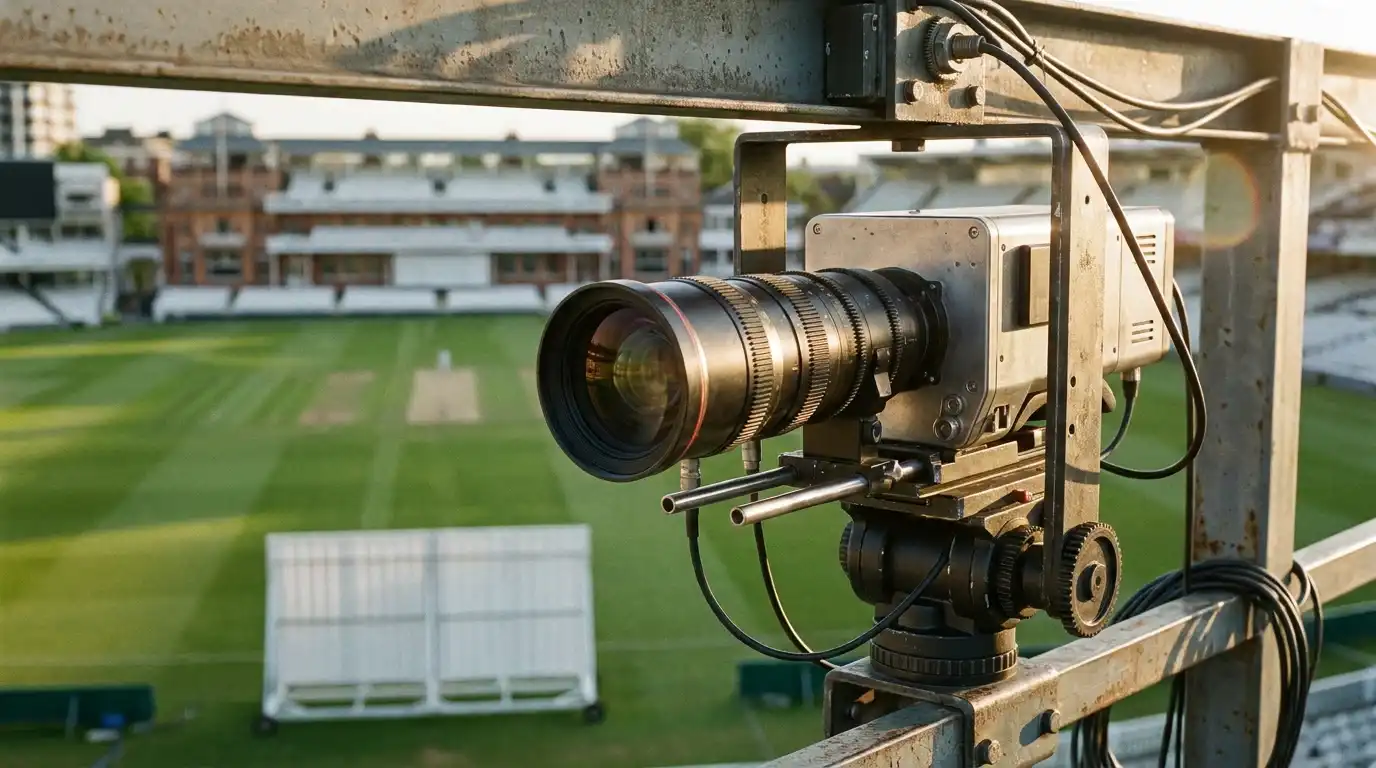
What Hawk-Eye Is Actually Measuring
I once spent an afternoon watching a Hawk-Eye operator work behind the scenes at a county ground, and the thing that surprised me most was how mundane the screens looked. No glowing red trails, no dramatic graphics. Just rows of camera feeds and a software interface that resembled an air traffic control system more than a sports broadcast.
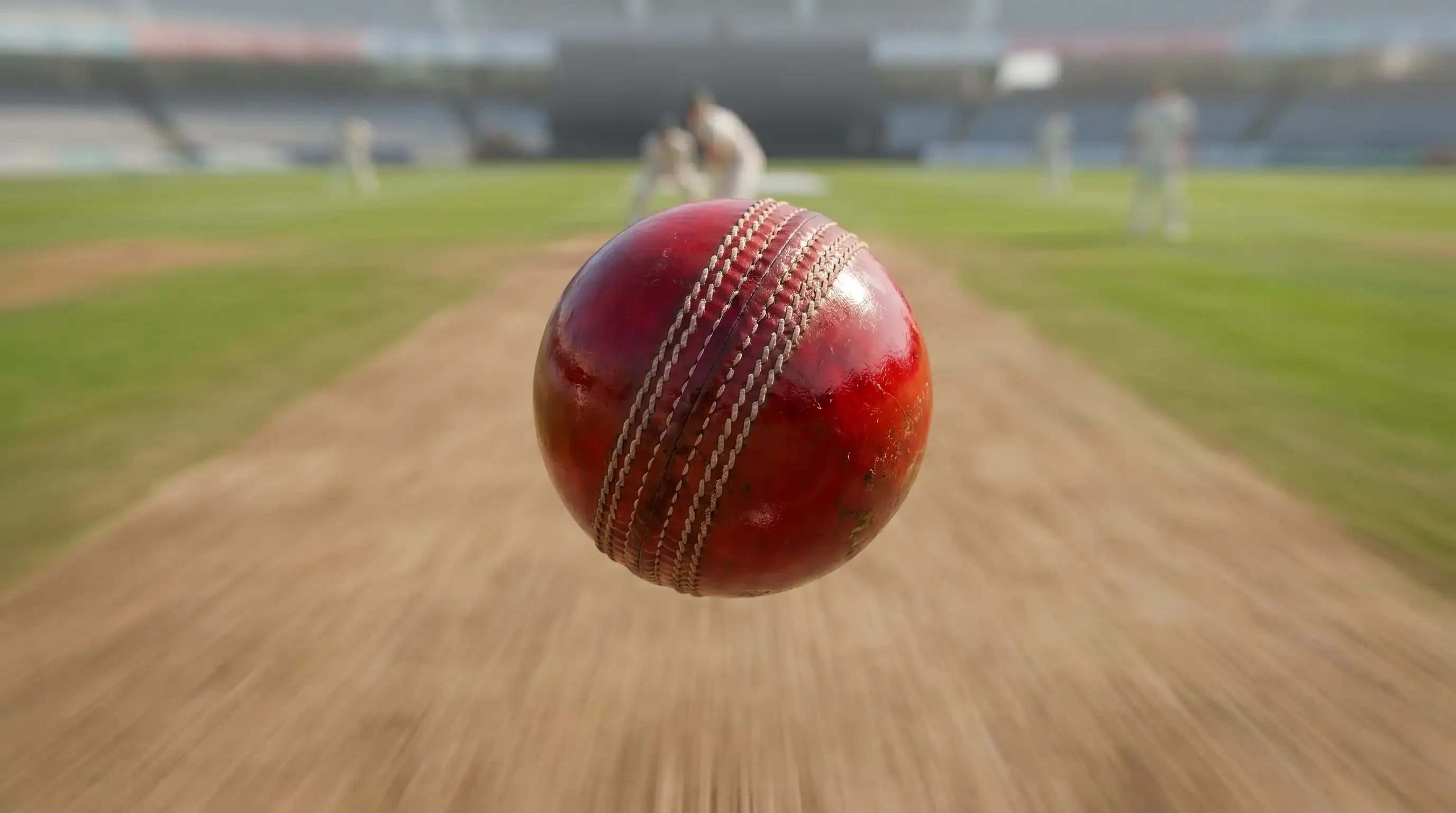
Hawk-Eye is a ball-tracking system that reconstructs the three-dimensional flight path of every delivery from release to the point of contact with the bat, pad, or wicket. It then projects, with measurable precision, where the ball would have gone next. That second part — the predicted path — is the bit fans argue about. The first part — the measured path — is rarely disputed, because the cameras either saw the ball or they did not.
What Hawk-Eye is not is a guessing engine. The system measures the ball’s position at multiple points during its flight, fits a physics-based trajectory through those points, and uses ballistic equations to project the rest. The accuracy is engineered. The published figure puts ball position accuracy at around five millimetres at the moment of first contact, with the predictive uncertainty after impact estimated at roughly two millimetres. Those numbers matter when the ball is clipping the bail by the width of a fingernail.
The Camera Array Around the Ground
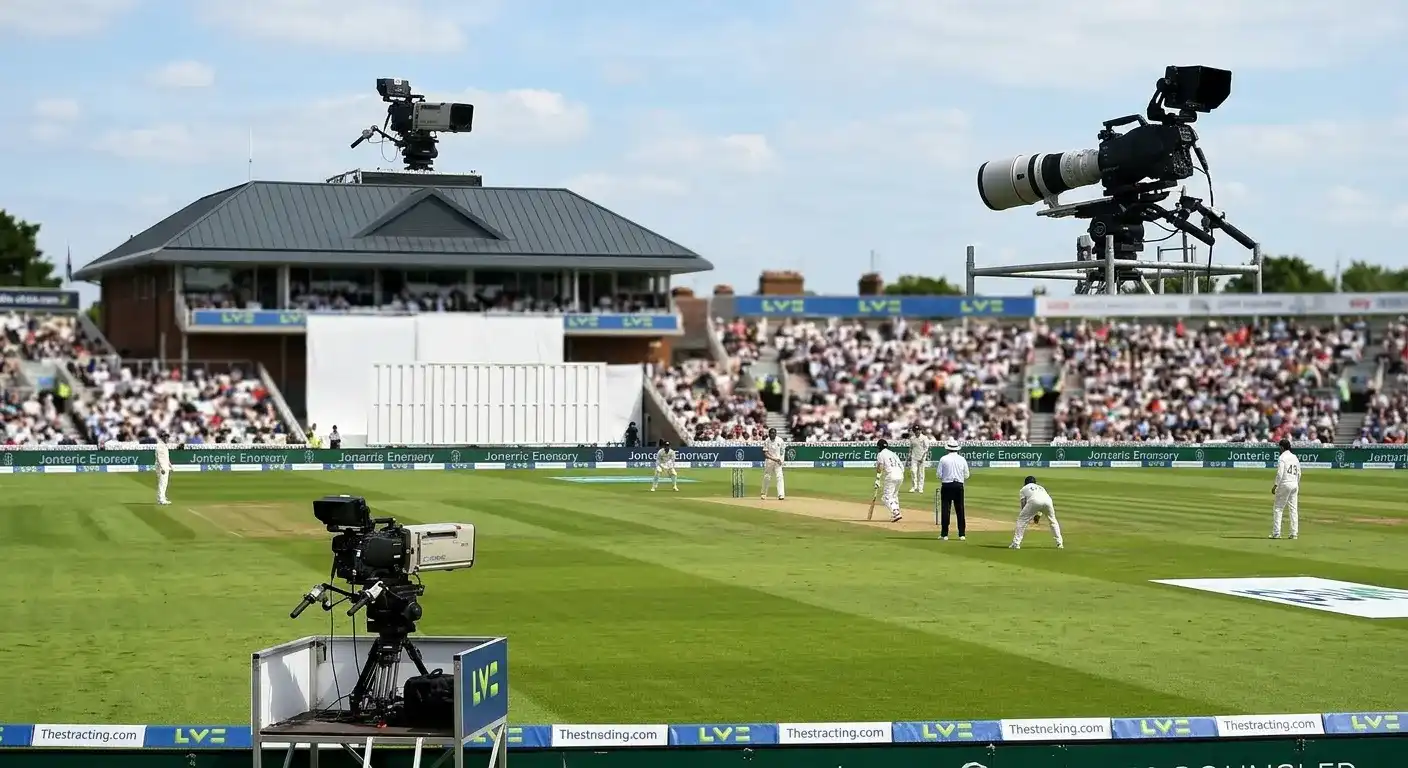
Hawk-Eye uses multiple high-speed cameras positioned around the playing area, typically six to ten depending on the venue. Each runs at framerates well above broadcast cameras, capturing hundreds of frames per second so the ball is never moving “between” frames in any meaningful sense.
The cameras are not pointed at the pitch from random angles. They are calibrated to known reference points on the field — the creases, the stumps, the boundary rope, and additional survey points placed before the match. That calibration is what allows the system to triangulate the ball’s position in three dimensions rather than just tracking it as a moving dot on a screen.
Two cameras can give you a 2D image. Three give you depth. Hawk-Eye uses more than three for a reason: any single camera might lose the ball briefly behind a fielder, a bat, or even a bird crossing the line of sight. With redundancy built in, the system can still triangulate the trajectory even if one or two feeds drop out at the critical moment.
At county grounds without permanent Hawk-Eye installations, the cameras are brought in on rigs for specific fixtures. At Test venues like Lord’s, the Oval, or Old Trafford, the infrastructure is permanent. The setup cost is one of the reasons Hawk-Eye remains absent from grassroots and most county cricket — the kit and the operating crew are not cheap, and the precision targets get harder to hit without a full survey done before play.
From Pixels to a 3D Ball Path
This is where the system earns its reputation. Each camera frame is processed in milliseconds. The software identifies the ball as a moving object against the background, then matches its position across multiple camera feeds for the same instant in time. The result is a set of 3D coordinates for the ball at hundreds of points across the delivery.
The system then fits a smoothed trajectory through those points. Cricket balls do not move in straight lines — they swing, they seam off the pitch, they dip in flight. A naive line drawn between the first and last measured points would miss all of that. Hawk-Eye uses physical models of ball motion under air resistance, gravity, and surface deviation to fit the curve. The output is a trajectory that respects the laws of physics, not a connect-the-dots approximation.
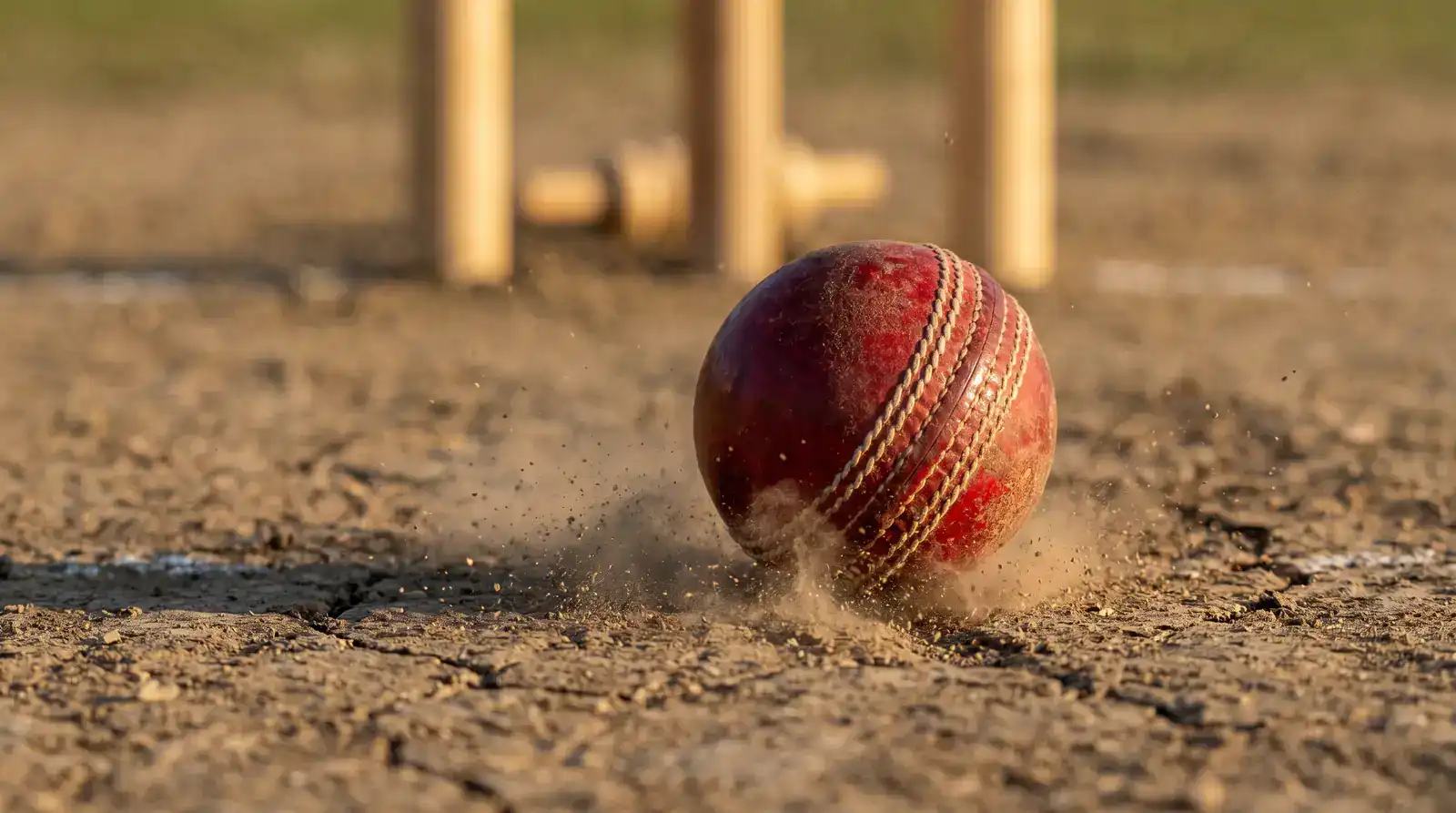
The point of impact — whether with the bat, the pad, or the stumps — is determined from the trajectory together with the position of the obstacle. If the ball was intercepted by the pad, the system knows exactly where on the pad and at exactly what height above the ground. That information feeds directly into the LBW prediction that follows.
One reason I trust the system more than most fans do is that it is grounded in measurement, not opinion. Every step in the chain is either a recorded coordinate or a physics-derived calculation. There is no human judgement embedded in the trajectory itself. That makes the error bars publishable, which is the test of any honest measurement system.
The Predicted Path After Impact
The bit that produces all the arguments is what happens after the ball is intercepted. The pad has stopped it, so where would it have gone next? Hawk-Eye answers this question using the trajectory it had already established, extrapolated forward through air and onto the pitch surface.
The extrapolation is shorter than people assume. The pad is usually within a metre of the stumps when the impact happens, so the predicted segment is rarely more than that. Over a one-metre distance, the ball’s path changes very little. There is no further seam movement to worry about because the ball has already passed the pitch surface in most cases. Air resistance over a metre is negligible. The predicted path is, in physics terms, an easy extrapolation.
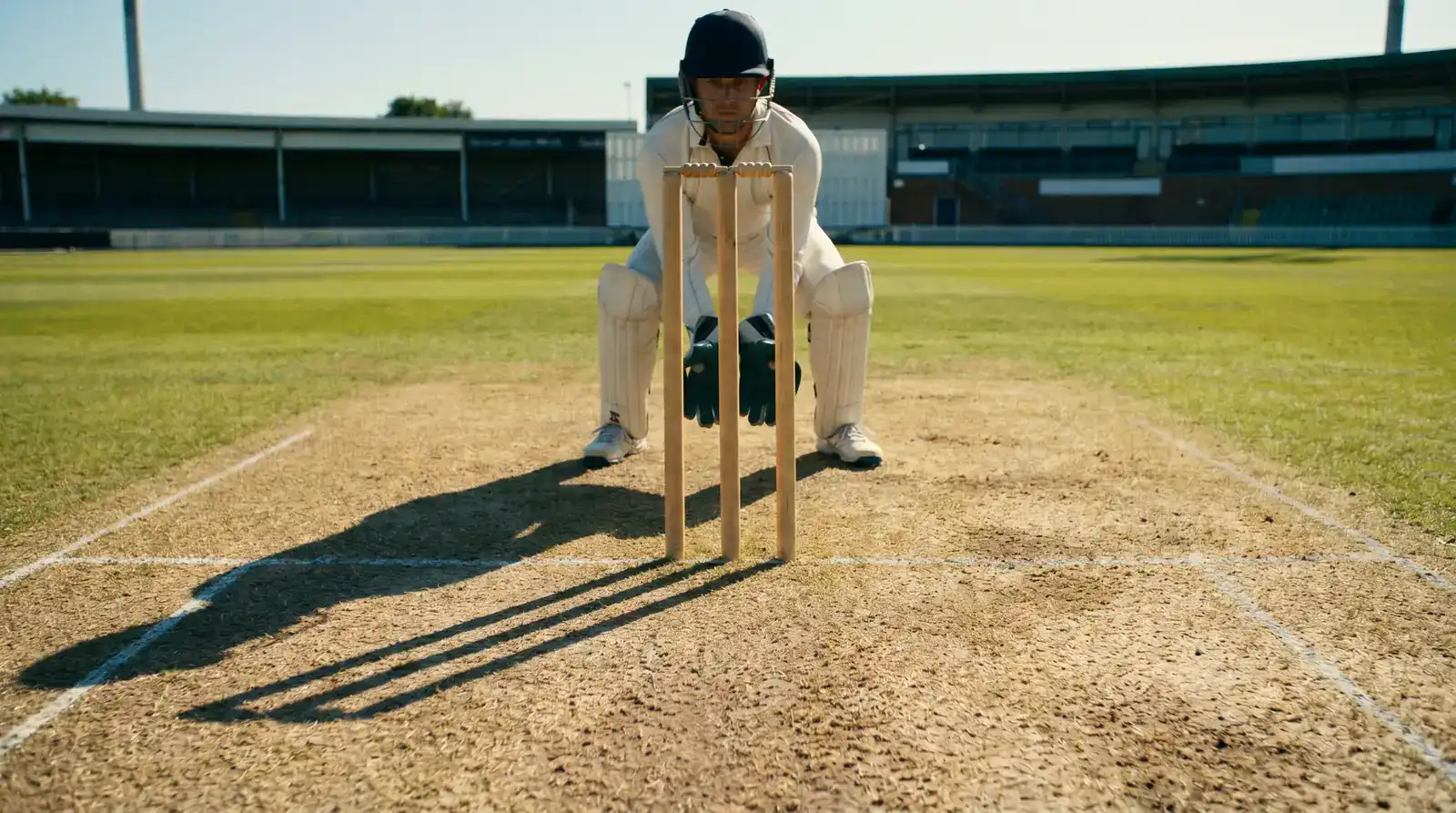
That said, the prediction is not perfect. The system publishes a margin of uncertainty for the predicted segment, and that uncertainty is the foundation of the umpire’s call zone. When the predicted path clips the stumps by less than the uncertainty, the system cannot say with confidence that the ball would have hit. That is when the on-field decision stands.
The system’s tweak to the wicket zone in 2021, which extended the area considered “hitting the stumps” upward to the top of the bails rather than just the line of the bails, raised the baseline overturn rate for clear LBW reviews from around 22 percent to 27 percent. That is the size of effect a small definitional change can have when the system underneath is measuring to millimetres.
Where Hawk-Eye’s Margin of Error Sits
I have never met an honest engineer who claimed zero margin of error. Hawk-Eye does not either, and its published figures are worth knowing because they reframe a lot of the arguments fans have about specific decisions.
Ball position accuracy at the moment of first contact is around plus or minus five millimetres. That is the precision of the measured path — the part that is recorded by the cameras, not predicted. For context, a cricket ball is about 72 millimetres in diameter, so the margin of error is a small fraction of the ball itself.
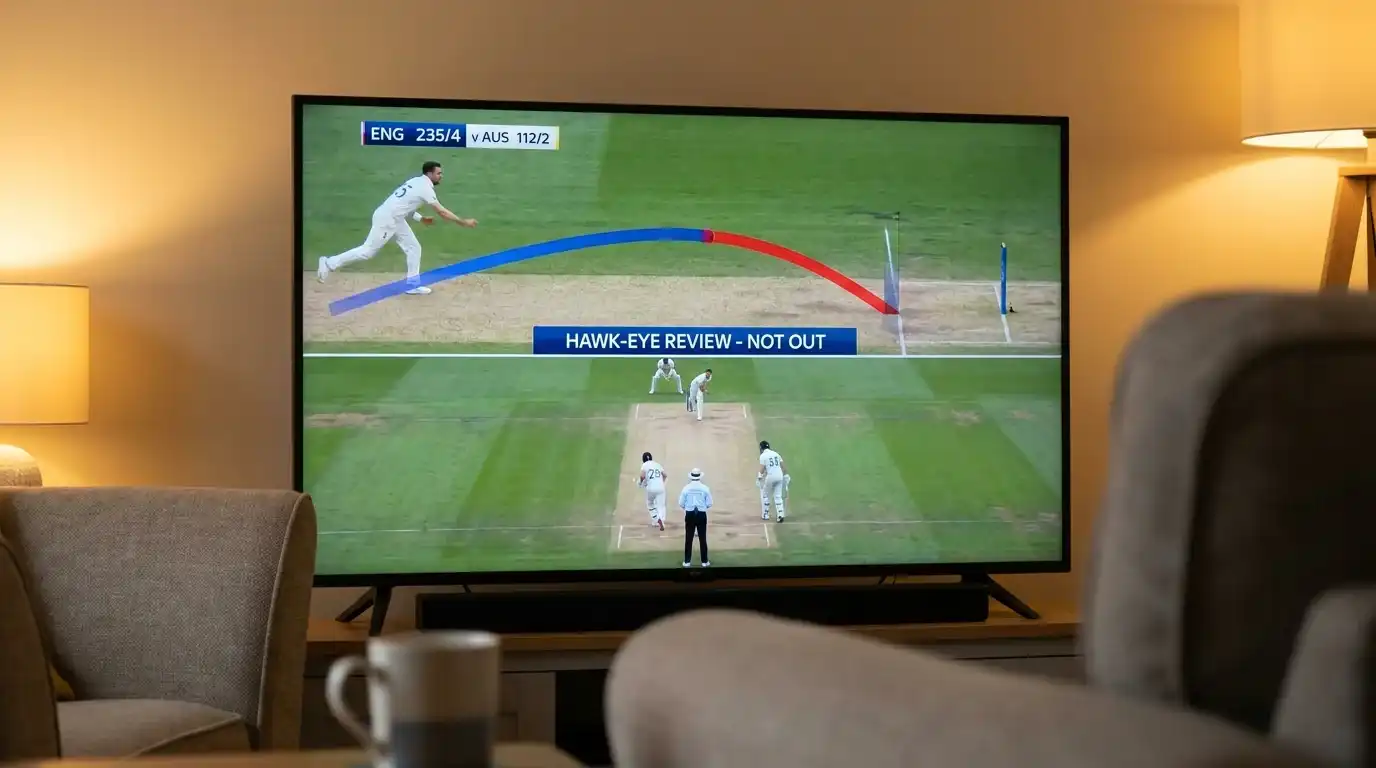
The predictive uncertainty after impact is smaller, around plus or minus two millimetres. This is because the predicted segment is short and the underlying physics is simple. Most of the controversy in LBW reviews comes not from the predictive uncertainty but from the original measured trajectory, particularly when the ball is intercepted very early — close to the bat at the moment of pad contact — and the system has less measured data to work with.
When Paul Hawkins, the inventor of the system, was asked about its precision in the early years, he was characteristically direct about what the technology could and could not do. The margin of error sits within the engineering tolerance, and the system is honest about declaring it. That honesty is what produced the umpire’s call rule in the first place, and it is what continues to keep DRS reviews trustworthy.
The DRS process built around Hawk-Eye is the bit most viewers see, but the technology is older than the review system itself. If you want the bigger picture on how Hawk-Eye fits inside the broader stack of cricket officiating tools — DRS, DLS, edge detection — there is more on that in the officiating technology guide.
Prepared by the Stumply editorial staff.
