
Watching The Ashes from the UK: Coverage, Scores, and the Audience Behind It
 Available in US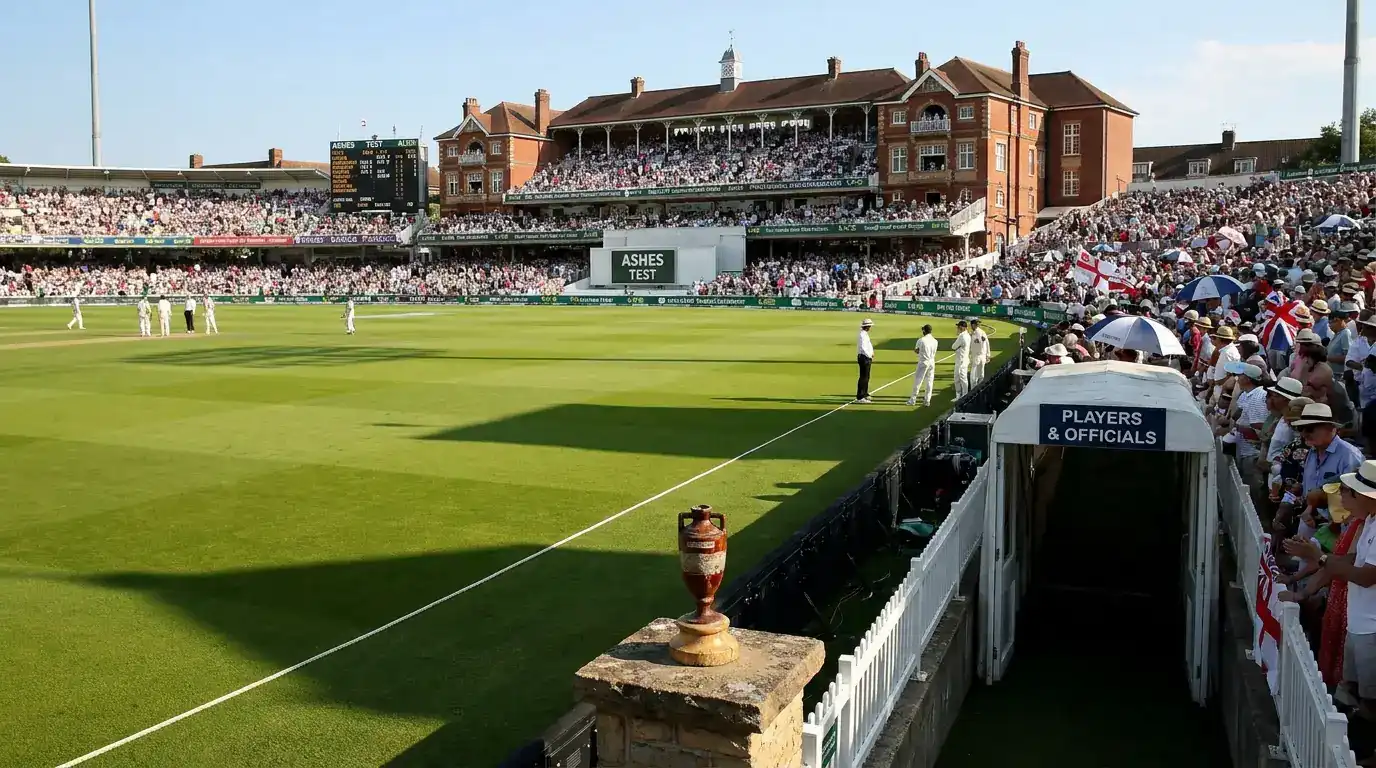
Why The Ashes Pulls Cricket Out of Its Niche
The morning of the third day at Headingley in 2023, I sat in a cafe in Leeds and watched four people at three separate tables all check their phones at exactly the same moment. They had probably never met. They were all looking at the same thing — the latest score from a Test match happening half a mile away — and the only reason they were doing it was that The Ashes was on.
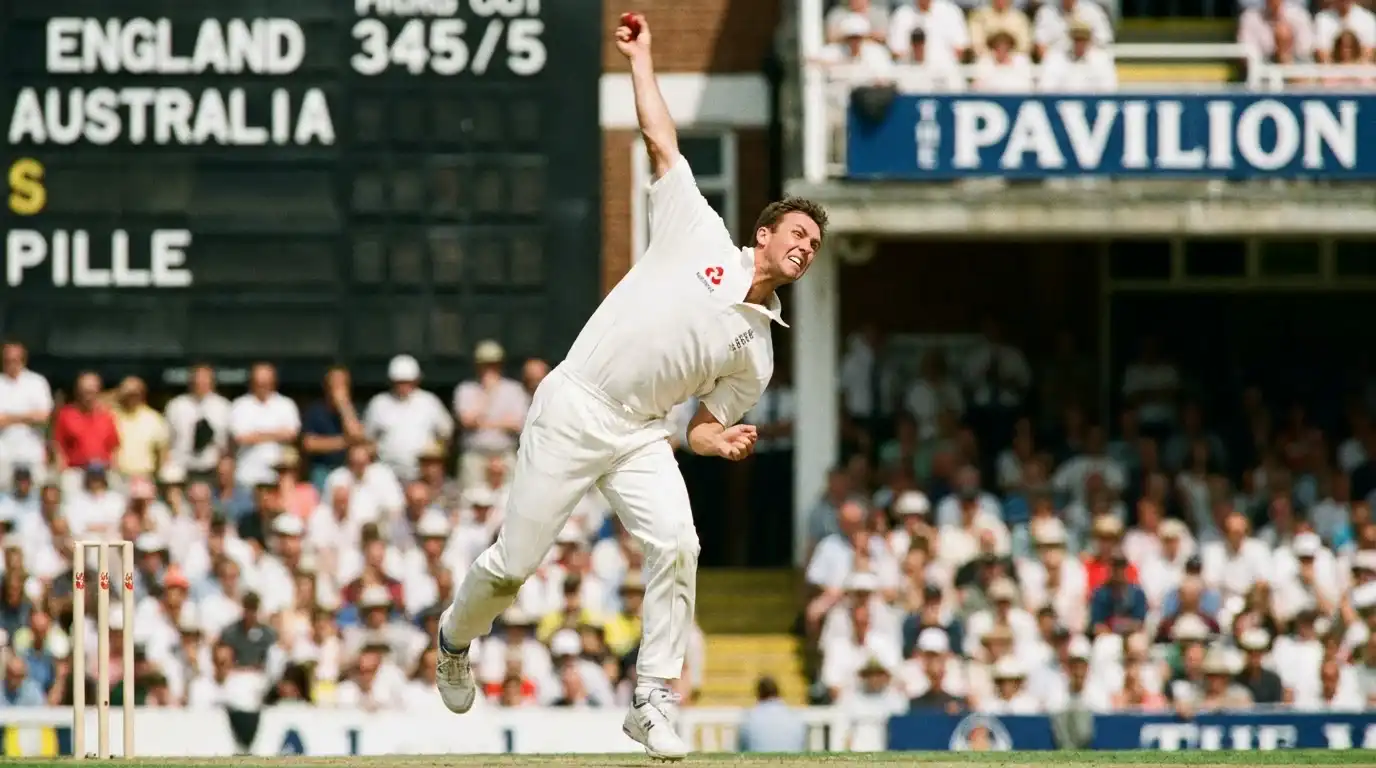
The Ashes is the one cricket fixture that pulls people who do not normally watch cricket back to the sport. The 2023 series in England drew a peak TV audience of 2.12 million viewers on the men’s final-Test broadcast — the highest UK cricket TV audience since the sport left free-to-air in 2005. Across the full series, the cumulative reach hit 17.8 million tuning-in viewers. That is the scale of attention only The Ashes commands in this country.

The live-score ecosystem around The Ashes reflects this surge. Cricket apps see their peak download windows during Ashes summers. Score-checking traffic on websites spikes during the lunch and tea intervals. Even the BBC text commentary feed sees its highest summer engagement on Ashes Test days. The series is the cricket calendar’s centre of gravity, and the audience behaviour around it is unlike anything else the sport produces.
Home Ashes vs Away Ashes Coverage Patterns
The viewing pattern for The Ashes depends heavily on where the series is being played. Home Ashes in England — like the 2023 series — sit in the heart of the UK summer, with matches starting at 11.00 BST and running through to early evening. Coverage is built around the working day, with the lunch and tea intervals coinciding with natural breaks in office routines.
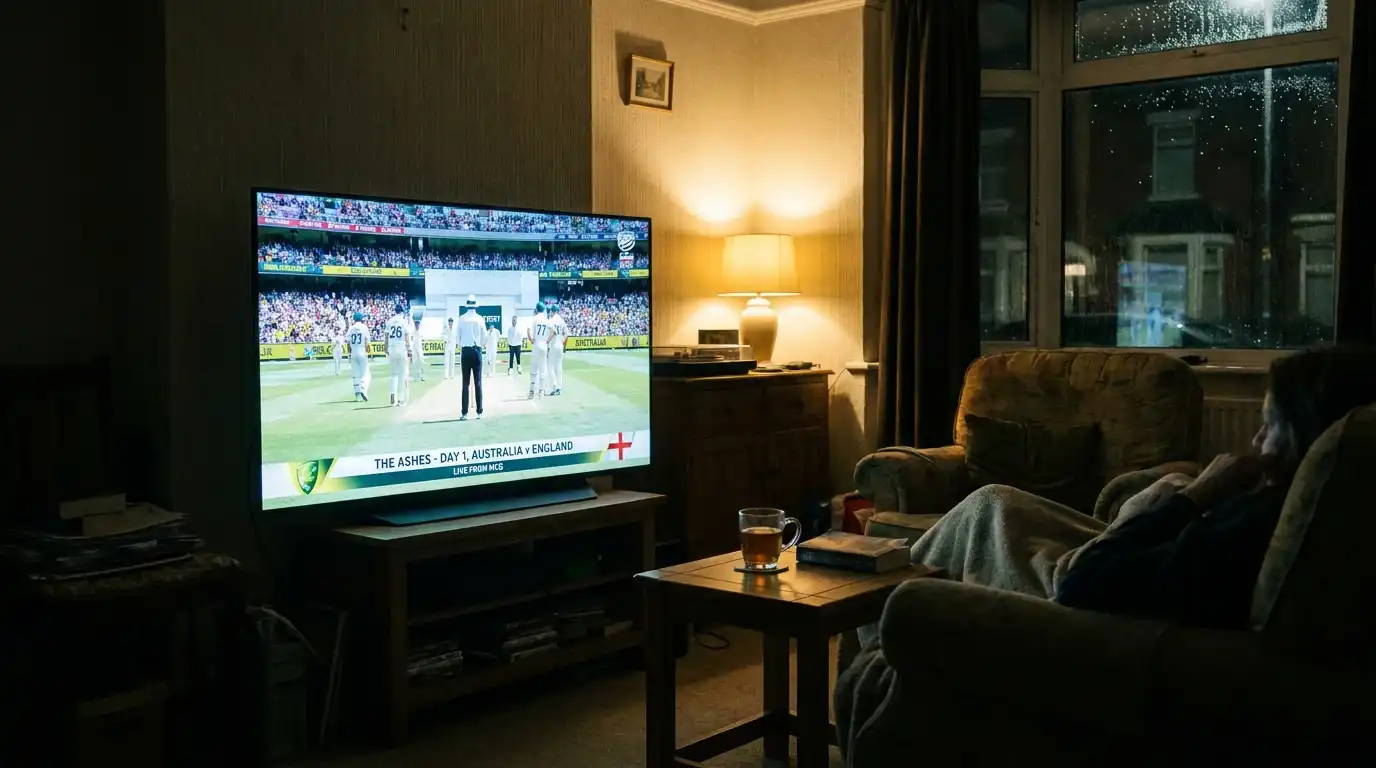
Away Ashes in Australia tell a different story. The Tests start at midnight or shortly after by UK time, and the audience that follows them has to choose between staying up late or catching up on highlights the next morning. Pay-TV in the UK carries the live coverage, with daily highlights packages produced for those who want the story without the all-night commitment.

The audience patterns split accordingly. Home Ashes pull a broader, more casual audience — families, social viewers, people who have not watched cricket since the previous Ashes summer. Away Ashes pull a smaller but more devoted core — the people who set alarms for Test cricket at 1.00 BST and stay up through the night for the morning session in Brisbane or Melbourne.
Live-score traffic patterns reflect the time-zone split. Home Ashes produce sustained traffic across the day. Away Ashes produce spikes around the UK breakfast hour, when overnight viewers and morning catch-up viewers converge on the score check at the same moment. The Ashes 2025-26 winter tour will sit in the second pattern, and the score apps will see their peak traffic between 04.00 and 09.00 UK time across the Test days.
Where UK Viewers Pull the Live Score
The live-score ecosystem for Ashes coverage in the UK runs across several layers. The official ECB Match Centre carries scorecards and ball-by-ball updates for home series. The major cricket apps — including aggregators with strong UK coverage — carry full Ashes scores with push notifications for wicket falls, milestones, and innings breaks.
The BBC carries text commentary on its sport pages for both home and away Ashes Tests, with the commentary feed running ball by ball through every day’s play. Sky Sports Cricket carries the live broadcast in the UK and operates its own score and stats platform alongside the main video coverage. Test Match Special on BBC Radio 5 Sports Extra carries the ball-by-ball audio commentary tradition that has run for over fifty years.
Newer aggregators have layered onto this ecosystem. The major global cricket apps draw enormous UK traffic during Ashes summers — one Android cricket app alone now carries 100 million-plus downloads worldwide, and Ashes Test days produce sharp spikes in UK active-user numbers. Live-score browsing through general sport platforms like the standard sports aggregators picks up the casual Ashes audience that does not install a dedicated cricket app.
What I tell people who ask me where to follow Ashes scores from the UK is to layer two sources. One for the in-depth ball-by-ball — usually a cricket-specific app or the ECB platform. One for quick wicket alerts during the working day — usually push notifications from the same app set to wicket-only mode. The two together cover the full attention spectrum from deep focus to occasional check-in.
The Audience Behind the 2023 Series
The 2023 home Ashes was the most-watched UK cricket TV series in two decades on raw numbers. The peak audience of 2.12 million for the men’s series finale was the highest single Test audience since cricket left free-to-air in 2005. The cumulative reach across the full five-Test series hit 17.8 million tuning-in viewers. The men’s series saw a 44 percent increase in TV audience compared to the 2019 home Ashes.
The women’s 2023 Ashes — a multi-format series running alongside the men’s — saw attendance grow by 288 percent compared to 2019. The women’s series broke domestic attendance records and gave the live-score apps a parallel audience surge through July and August 2023. Both series together produced the strongest summer for cricket viewership engagement in this country in twenty years.
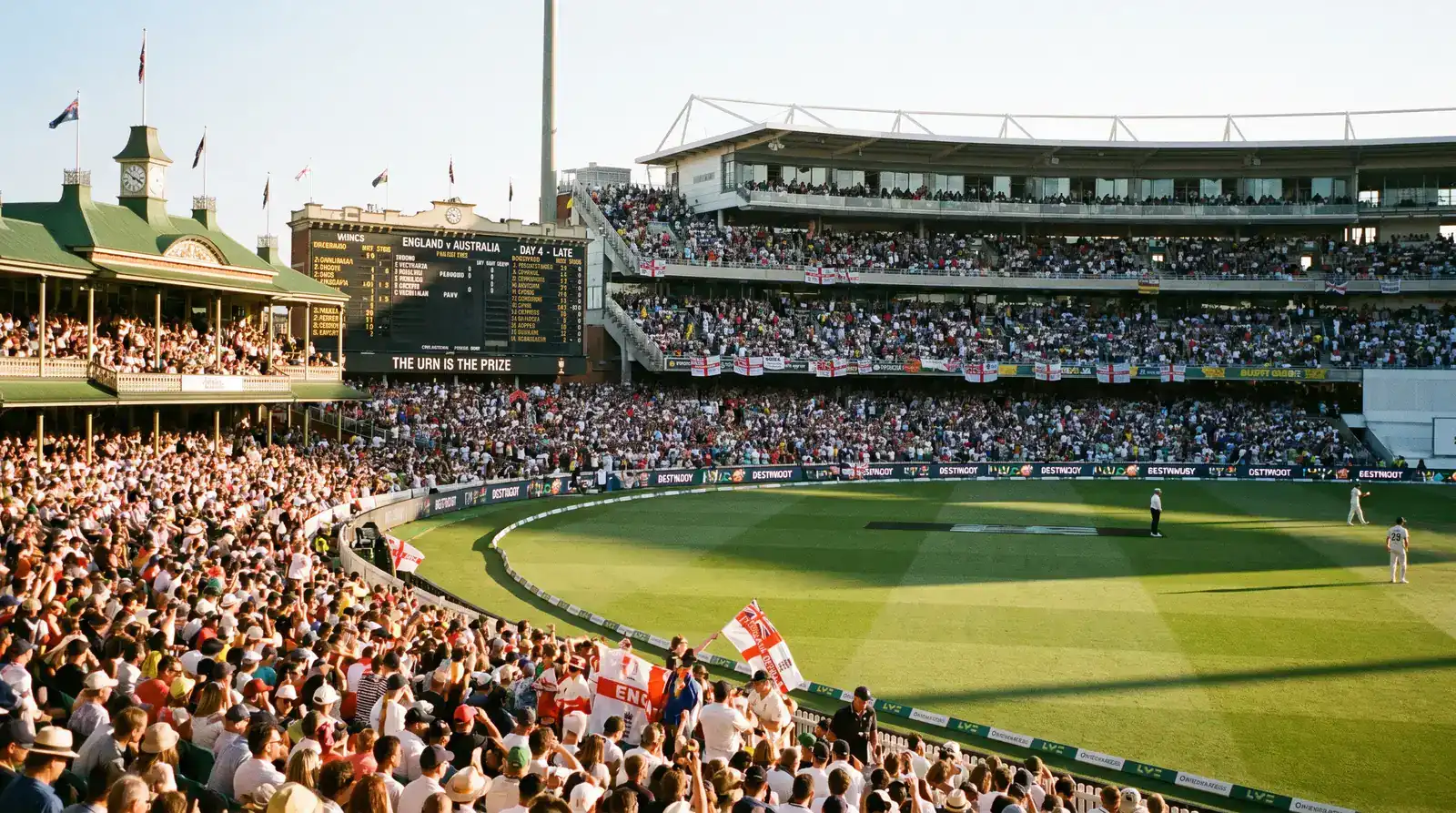
The demographic split of the 2023 Ashes audience matters because it tells you who the score-checkers actually are. Cricket fans in the UK skew older overall, with over 40 percent of the fanbase aged 65 and above. The Ashes audience tracks slightly younger than the cricket fanbase average, partly because the event pulls in casual sports viewers who do not follow cricket year-round.
The income split is also worth knowing. Cricket interest in the UK correlates strongly with household income — roughly 30 percent of UK adults earning above £100,000 a year describe themselves as cricket fans, compared with 20 percent among those earning under £20,000. The Ashes pulls across that income range more evenly than other cricket events, which is why the BBC’s free-to-air highlights have such an outsized role in the series’ overall reach.
The Free-to-Air Highlights Path
Cricket left UK free-to-air live coverage in 2005, but the highlights provision has shifted considerably since. The current arrangement reserves daily highlights packages of major series, including The Ashes, for free-to-air broadcast — a structure that gives the BBC and Channel 5 a route into the live-score-checking audience without licensing the full live rights.
The Hundred has shown what free-to-air return can do for cricket’s broader audience. The BBC’s online figures for the Hundred reached 2.2 million video views in 2025, up from 1.6 million in 2024 — a growth curve driven partly by the integration of free-to-air highlights with live-score platforms. The same dynamic plays out during Ashes summers, where casual viewers who watch the BBC highlights at 19.00 or 22.00 then check the next day’s score on their phones during the day.
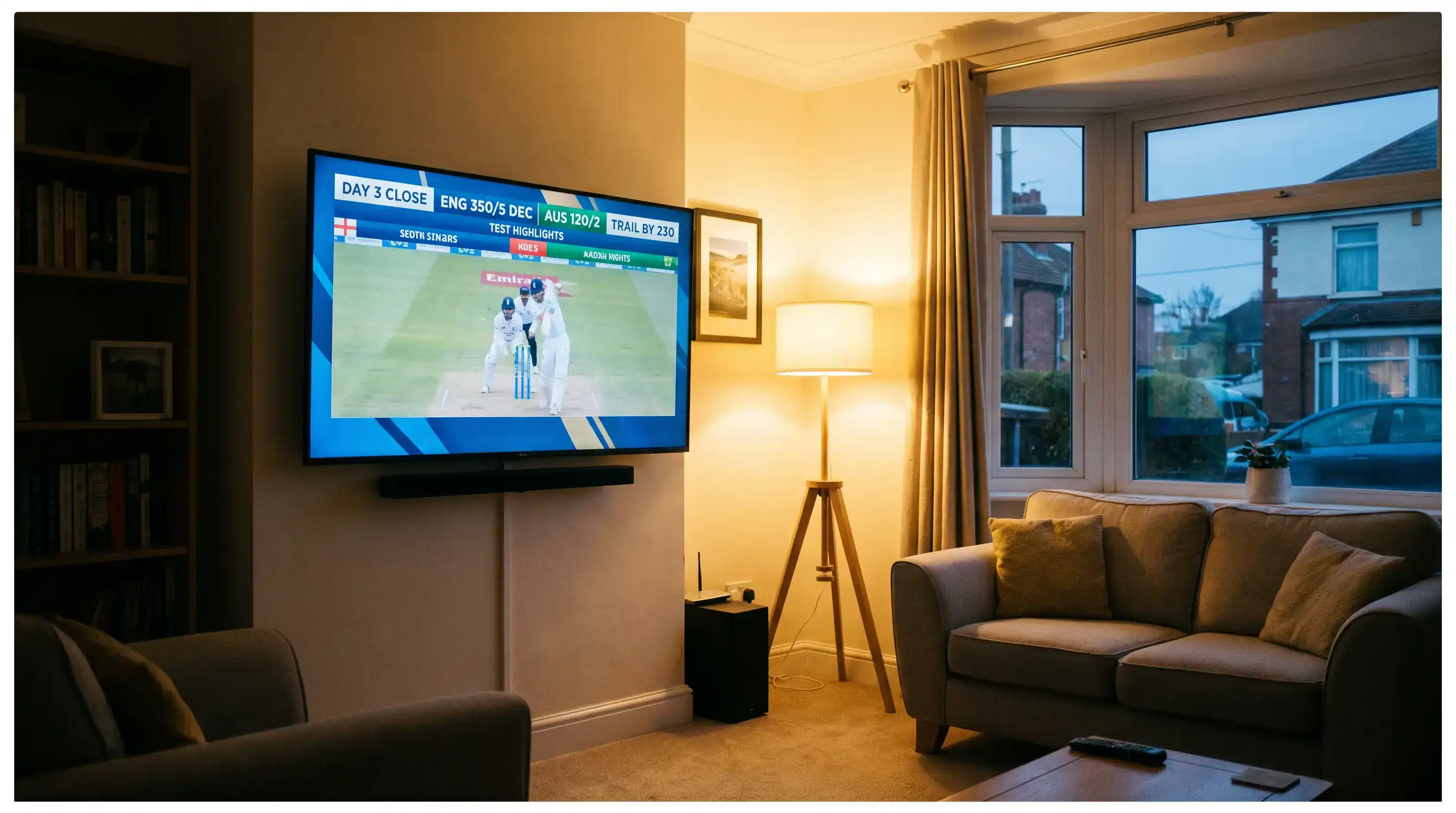
What this means for live-score traffic is that the casual Ashes audience often discovers the daily score through a totally different route from the dedicated cricket audience. A casual viewer might watch the BBC highlights, then open a sports app the next morning to see the overnight or early-session score. A dedicated viewer might have the score on their second screen throughout the day. Both behaviours sit inside the same audience cluster, but the entry points are different.
The 2025-26 Ashes — played in Australia across the UK winter — will run through this pattern in compressed form. The free-to-air highlights will run during UK evenings while the matches are still in play overnight. The live-score traffic will peak in the morning hours. The dedicated audience will set alarms; the casual audience will check the score over breakfast. Both will produce some of the year’s strongest cricket-engagement numbers, and the underlying interest pattern is what makes The Ashes the unique fixture it remains.
If you want the broader context on how UK cricket broadcasting is structured across pay-TV, free-to-air, radio, and streaming, there is more on that in our UK cricket broadcasting guide.
Created by the "Stumply" editorial team.
