
Women's Hundred Live Scores and What the UK Audience Has Been Tracking
 Available in US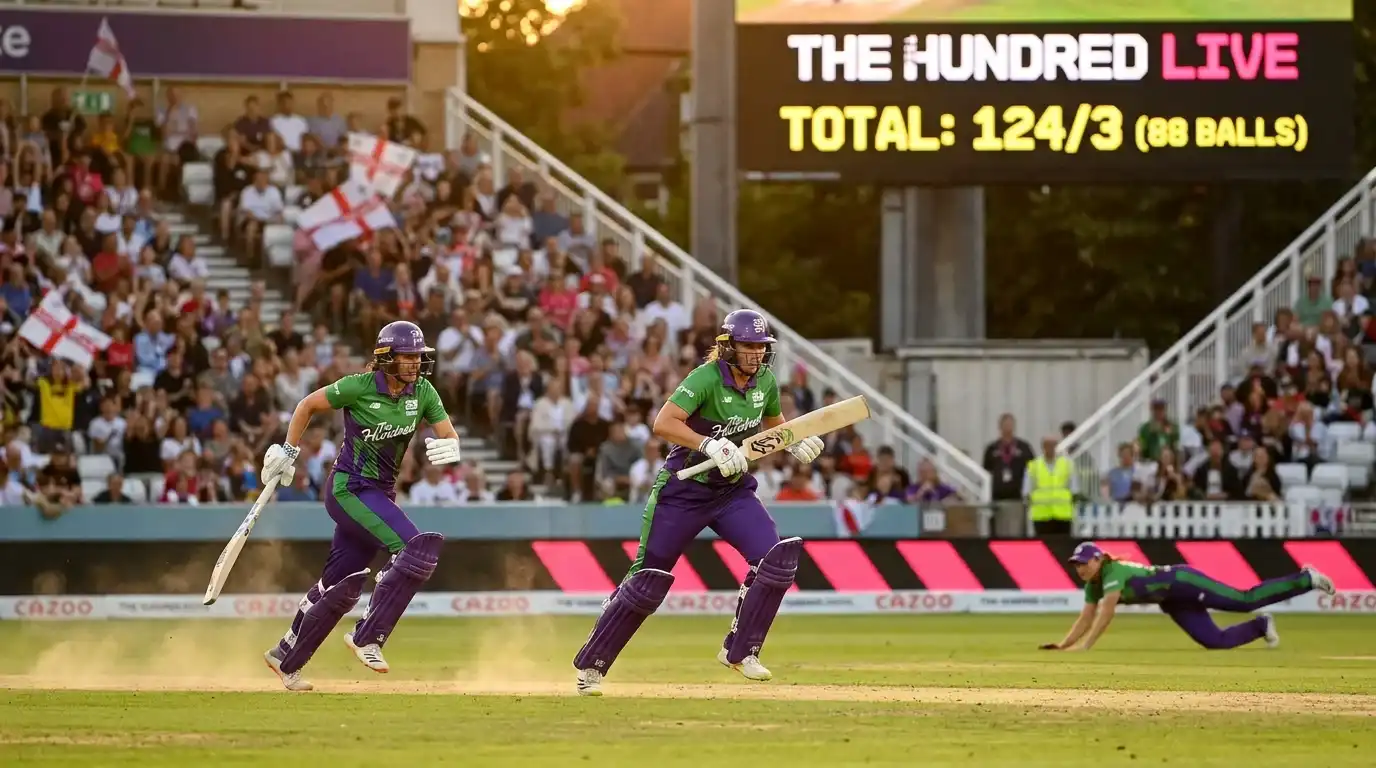
The Women’s Hundred Inside the UK Live-Score Picture
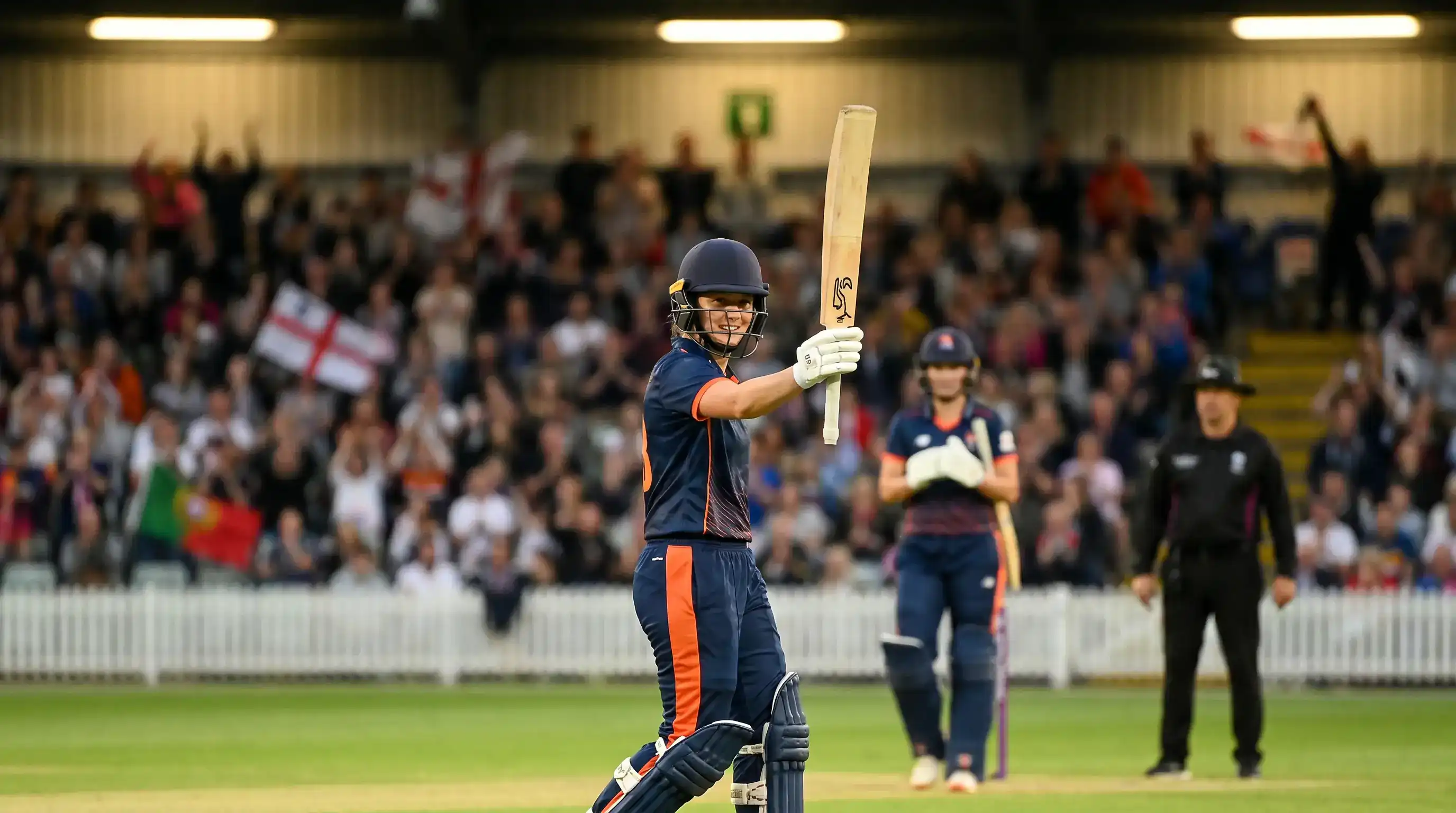
I was at Lord’s for the women’s Hundred final in 2025, and the moment that stuck with me was not the catch or the boundary or the trophy lift. It was the queue for the merchandise stand at lunch — twenty deep, almost entirely families, with kids in replica shirts that they had clearly worn to the ground because they wanted to, not because someone had told them to. That queue is the audience the competition has built, and the live-score traffic that follows the matches reflects it.
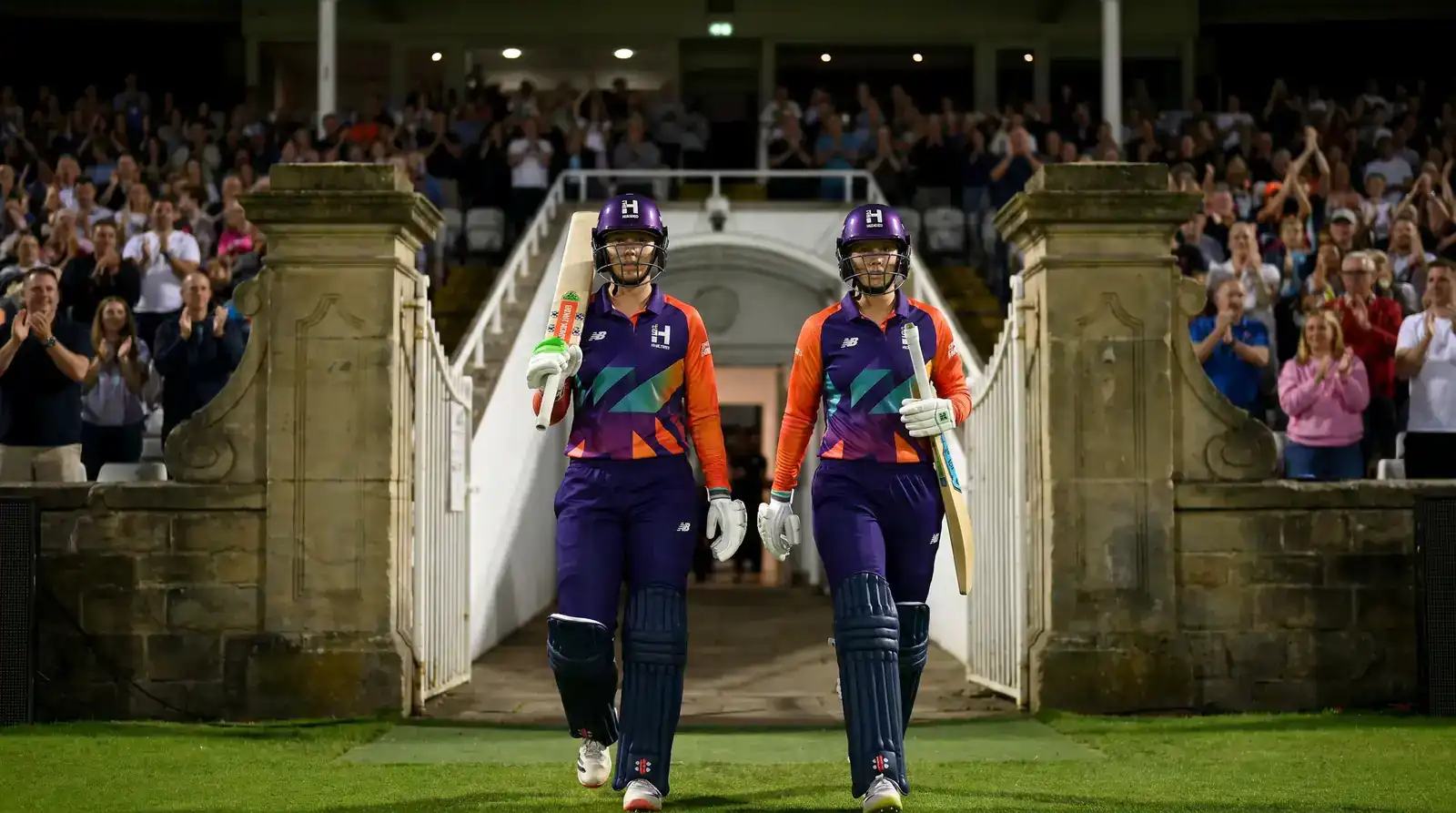
The women’s Hundred has become the highest-attended women’s domestic competition in cricket. The 2025 final at Lord’s drew 22,542 spectators, a record for any women’s domestic match at any UK ground. Across the full season, women’s competition matches drew roughly 349,000 fans through the gates — a figure that would have looked implausible five years ago and now sits as the new baseline for what women’s cricket can pull in this country.
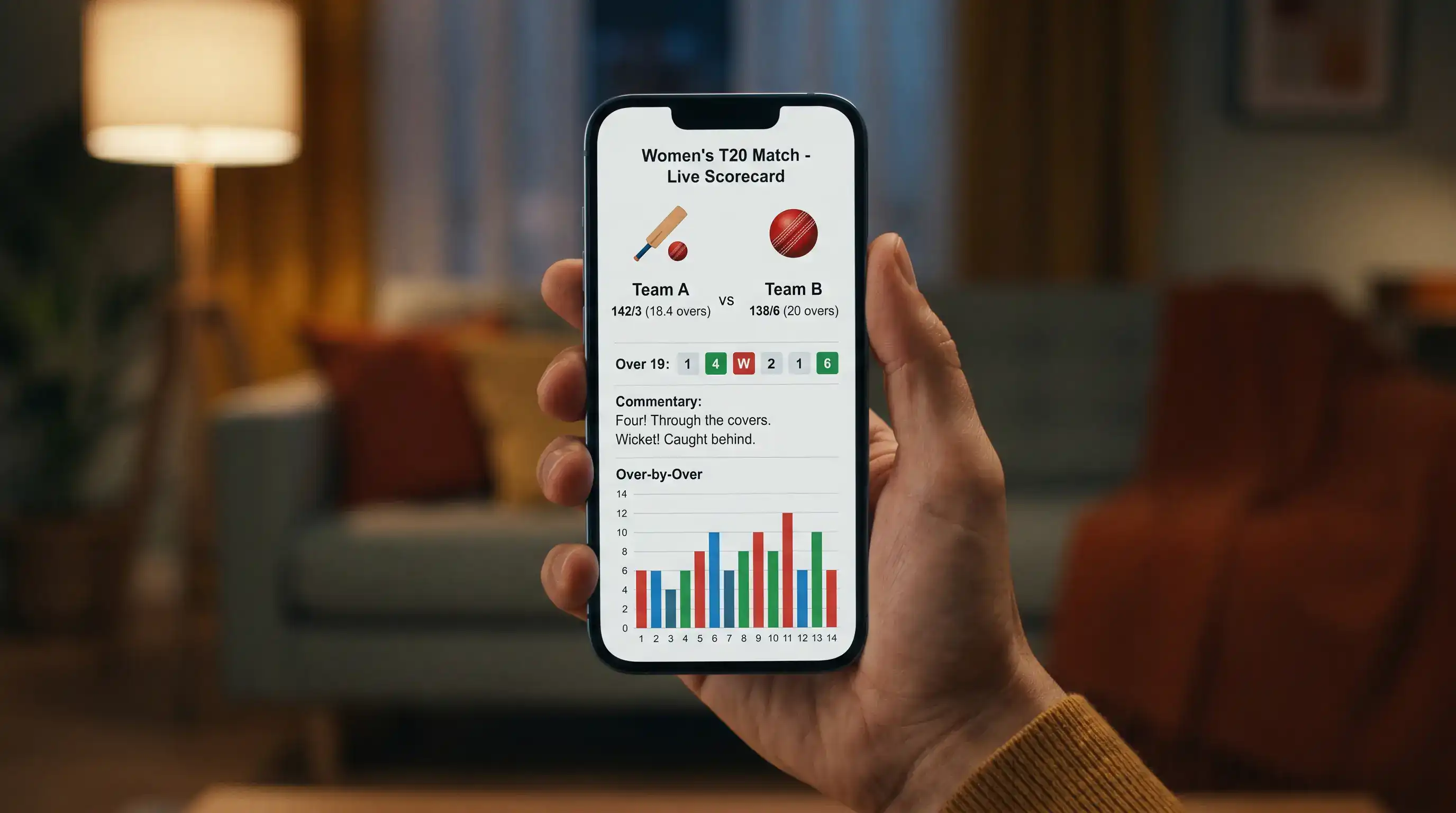
The live-score picture around the women’s Hundred is shaped by that audience. The matches are scored, broadcast, and followed online with the same infrastructure as the men’s, and in some venues the women’s scorecard now gets more traffic than the men’s during the early evening overlap windows when both are on.
Eight Teams, One Block, Two Genders
The structure of the women’s Hundred mirrors the men’s exactly. Eight teams, named after geographic areas — Birmingham Phoenix, London Spirit, Manchester Originals, Northern Superchargers, Oval Invincibles, Southern Brave, Trent Rockets, and Welsh Fire. Each team plays a group stage of eight matches followed by knockouts.
The fixture model pairs the women’s and men’s competitions as double-headers at the same venues. A typical match day at a Hundred ground sees the women’s game in the early afternoon followed by the men’s in the evening, with the same crowd staying through both. That pairing is a deliberate structural choice and has done more to grow the women’s audience than any standalone competition could have.

Each match is 100 balls per side, divided into five-ball sets, with the same field restrictions, bowling quotas, and over-rate rules as the men’s. The scorecard reads identically. The strategic shape is identical. What differs is the playing personnel and the historic baseline of how much attention the women’s game has commanded in the UK — a baseline that has shifted dramatically over the past three Hundred seasons.
The 2023 Women’s Ashes, played in part across the same English summer as the men’s, saw attendance grow by 288 percent compared to 2019. That growth curve has continued into the Hundred era, and the broadcast figures have followed in step. The Vikram Banerjee point about the competition’s design — that it was always meant to draw families and women into cricket grounds — is exactly the audience that is now showing up.
What the Women’s Live Feed Includes
The live-score feed for women’s Hundred matches contains the same data layers as the men’s. Ball-by-ball updates, full scorecards, partnership records, fall-of-wickets timing, run rate, projected total during the first innings, required run rate during the chase. The scoring conventions, abbreviations, and statistical fields are identical to men’s white-ball cricket.
Several layers have become particularly active in the women’s feed. Powerplay run rates are tracked separately and frequently exceed the men’s equivalent — the women’s Hundred has produced some of the highest powerplay totals of any women’s competition in the world. Strike rates for individual batters during the powerplay are highlighted in the live feed, and the death-overs scoring rates are tracked closely because they often determine the outcome.
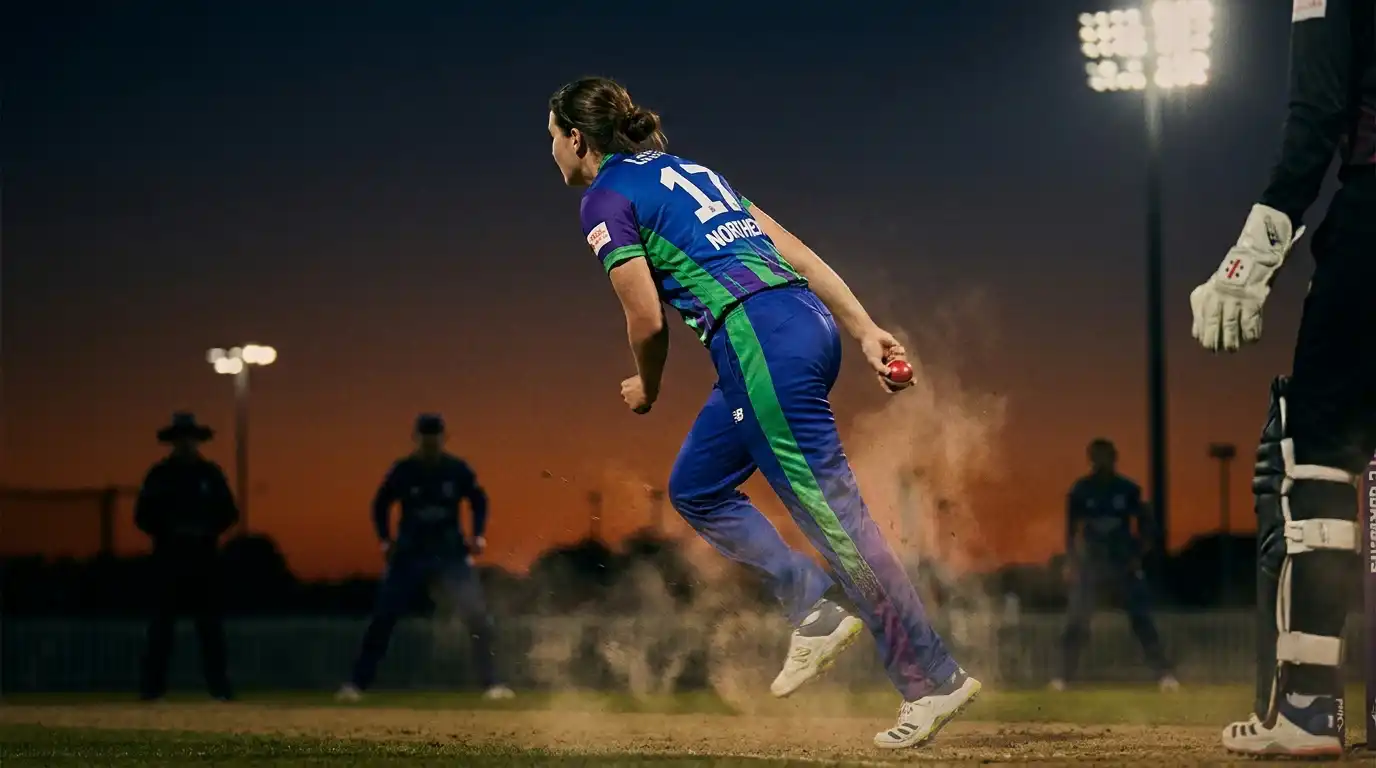
Bowling analyses on the women’s feed include the same fields as the men’s — overs delivered, sets bowled, runs conceded, wickets taken, economy rate. Spin bowlers in the women’s Hundred have produced some of the lowest economy rates in the competition’s history, and the live feed reflects that.
The DRS system operates in the women’s Hundred at the same standard as the men’s, with Hawk-Eye, UltraEdge, and ball-tracking all available. Reviews appear on the live feed with the same status indicators, and verdicts are delivered within the same time windows. The fact that the women’s competition has full DRS coverage is itself a marker of how the ECB has invested in the format — early women’s domestic cricket in this country did not have the infrastructure, and the gap between men’s and women’s broadcast technology has closed almost entirely.
The UK Audience Pulling Up These Scores
The audience for women’s Hundred scores has shifted markedly since the competition launched in 2021. The 2025 competition saw the women’s final pull 22,542 fans through the gates at Lord’s. The BBC’s online figures for the Hundred in 2025 reached 2.2 million video views, up from 1.6 million in 2024, with the women’s matches accounting for a substantial portion of that growth.
The demographic split is part of the story. Roughly 41 percent of Hundred audiences in 2025 came as families, with women making up 30 percent of the total ticket holders and junior tickets accounting for 23 percent of sales. The women’s matches skew slightly further toward family attendance than the men’s, with parents bringing children of both genders to matches in numbers that grassroots clubs have not seen in their own programmes for decades.
The live-score traffic follows the same pattern. Phone-based score-checking during women’s matches has grown faster than any other women’s sport in the UK in the past three years. The match-day pattern — a family at the ground, with phones out between balls and during innings breaks — is exactly the second-screen behaviour that Ofcom flagged in its 2025 Online Nation report, where almost two-thirds of UK adults now use a phone alongside their main viewing.
The competition has produced more than 1 billion video views across its five seasons combined — a figure that includes both men’s and women’s content but where the women’s share has grown year on year. Over 200,000 people across the five seasons bought their first-ever cricket ticket through the Hundred, and the women’s matches have been a significant entry point for that group.
Where the Women’s Scores Live Beyond the Ground
The official ECB Match Centre carries women’s Hundred ball-by-ball coverage with the same fidelity as the men’s. The scorecards live alongside men’s fixtures in the platform, and there is no separate sub-site for the women’s competition — a deliberate structural choice that signals the competitions sit at the same level.
Broadcast coverage of women’s Hundred matches sits across pay-TV and free-to-air partners in the UK, with the BBC carrying a number of matches each season as part of the deal that brought the competition to terrestrial television. The 2025 group-stage Hundred matches drew an average TV audience 38 percent higher on Sky than in 2024, and the BBC’s match audiences have followed similar growth curves.
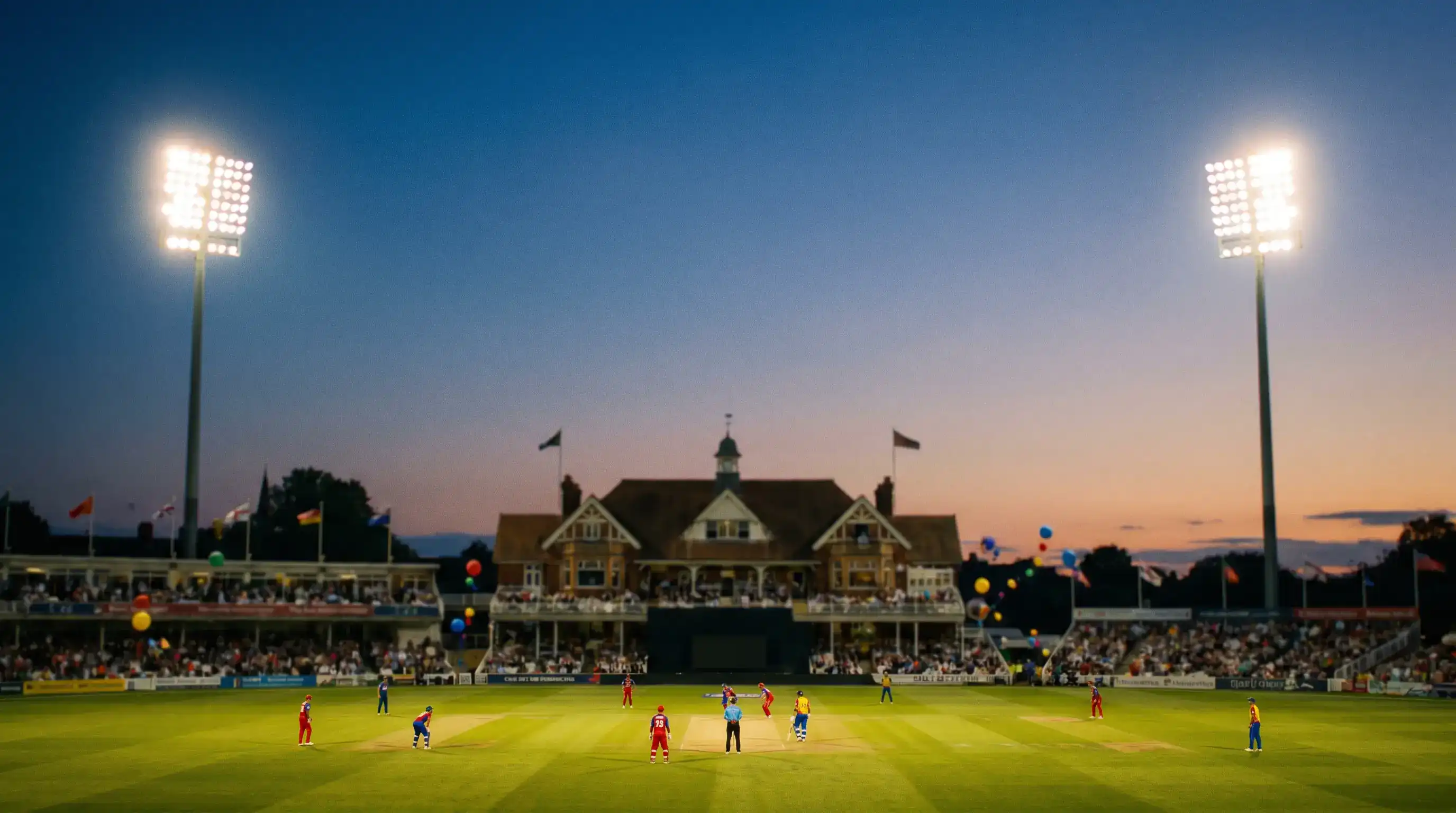
Live-score apps and websites carry the women’s matches in the same depth as the men’s. The leading cricket apps — including the major aggregators with global reach — treat women’s Hundred fixtures as first-class content rather than secondary listings. Push notifications, scorecard depth, and statistical layers are equivalent.
What I find encouraging as someone who has watched this niche for a long time is that the women’s Hundred has stopped requiring a separate framing in the live-score ecosystem. A fan opening a cricket app on a Friday evening in August now sees the women’s Manchester-vs-London match listed at the top of the fixtures alongside the men’s. The audience has voted with their phones, and the platforms have followed.
If you want the wider context on how the four formats — Test, ODI, T20, and The Hundred — compare across men’s and women’s cricket, there is more on that in our cricket formats compared guide.
Prepared by the Stumply editorial staff.
