
UK Grassroots Cricket Today: Participation, Equipment, and the Score Below the Top Tier
 Available in US
The Layer Below the Live Scoreboards
I spent a Saturday morning in May at a local cricket club’s All Stars session — 36 children, three coaches, two parents handing out plastic bats, and a fixture list on a clipboard that included 22 home matches and 18 away matches for the senior team that summer. The session was the kind of thing that never makes a national scoreboard. There were no statistics being recorded, no live feed, no broadcast. But across the country, thousands of similar sessions were producing the early-years experience of cricket that the entire UK game depends on. When the ECB talks about growing the sport, this is the layer they are talking about — and it is the layer where the headline TV numbers and franchise valuations are most disconnected from the operational reality.
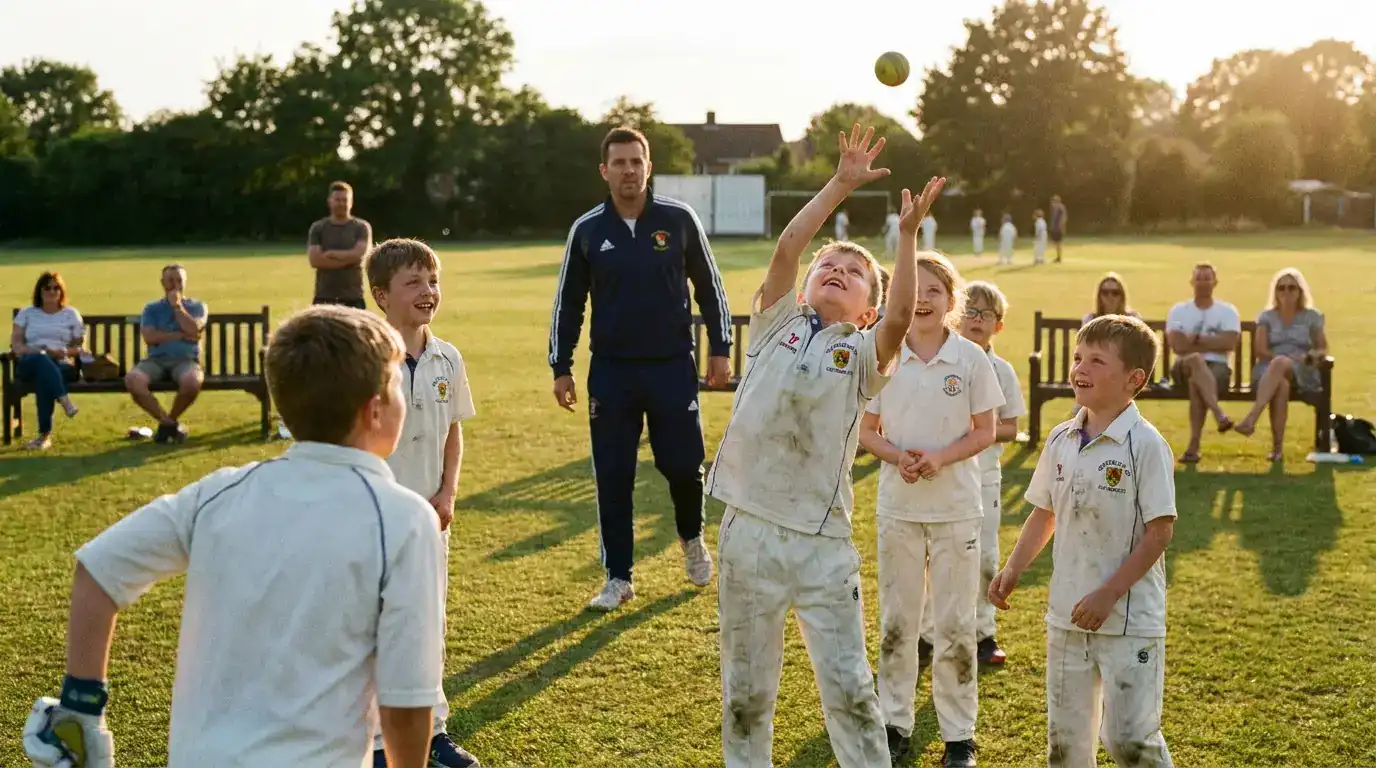
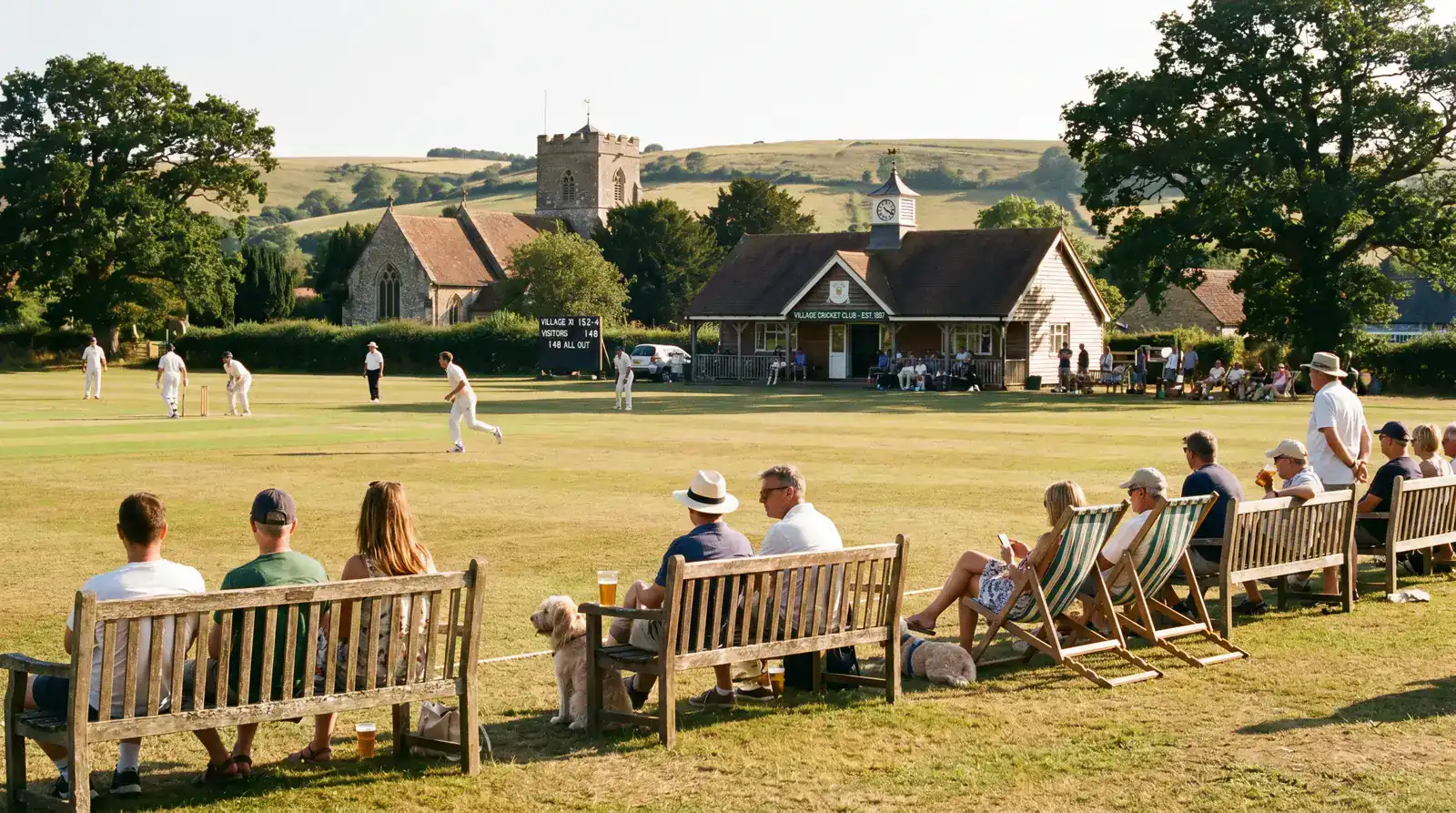
UK grassroots cricket today is in a state that is partly thriving and partly under genuine strain. The participation numbers in entry-level programmes are growing, women’s and girls’ cricket is expanding faster than any other part of the sport, and the ECB has committed significant investment to recreational cricket. At the same time, a majority of UK clubs report ageing equipment, more than a third struggle to field full sides for matches, and only a minority receive any structured funding from regional or national bodies. The picture is mixed, and the gap between the top tier and the grassroots is sharper than the consolidated cricket narrative usually acknowledges.
Participation Numbers in All Stars and Dynamos
The ECB’s two flagship entry-level programmes — All Stars and Dynamos — registered 106,000 participants in 2025, a meaningful step-change from previous years. All Stars targets ages five to eight, with sessions structured around fundamental skills and play. Dynamos targets ages eight to eleven, with more match-style activity and team play. Of the 106,000 participants in 2025, 32,000 were girls — nearly a third of the total, and the strongest gender-balance figure either programme has produced.
The two programmes operate through cricket clubs across England and Wales, with each club delivering sessions on its home ground or at a nearby facility. The model spreads the load across hundreds of host venues and embeds the entry-level cricket experience inside the same club structures that run the senior game. A child who starts in All Stars at six can graduate through Dynamos at nine and join the club’s youth section by eleven, with no disruption in setting or coaching network.
The 2024 ECB Annual Accounts noted that the women’s and girls’ grassroots side grew by roughly 10 percent across the year, with the 2025 figures building further on that base. The 2025 expansion produced an 18 percent increase in the number of women’s teams and a 13 percent increase in girls’ teams. These are large year-on-year changes that suggest the broader cultural shift in women’s cricket — visible at international level through the 2023 Women’s Ashes attendance growth of 288 percent — is translating into recreational participation as well.
Across the past four years, the ECB has distributed £55 million in grants to recreational cricket and £32.2 million in specific project funding across 6,638 projects. The scale of investment is significant, but the geographic distribution and the criteria for accessing it remain points of conversation among club volunteers and county boards.
The Women and Girls Growth Curve
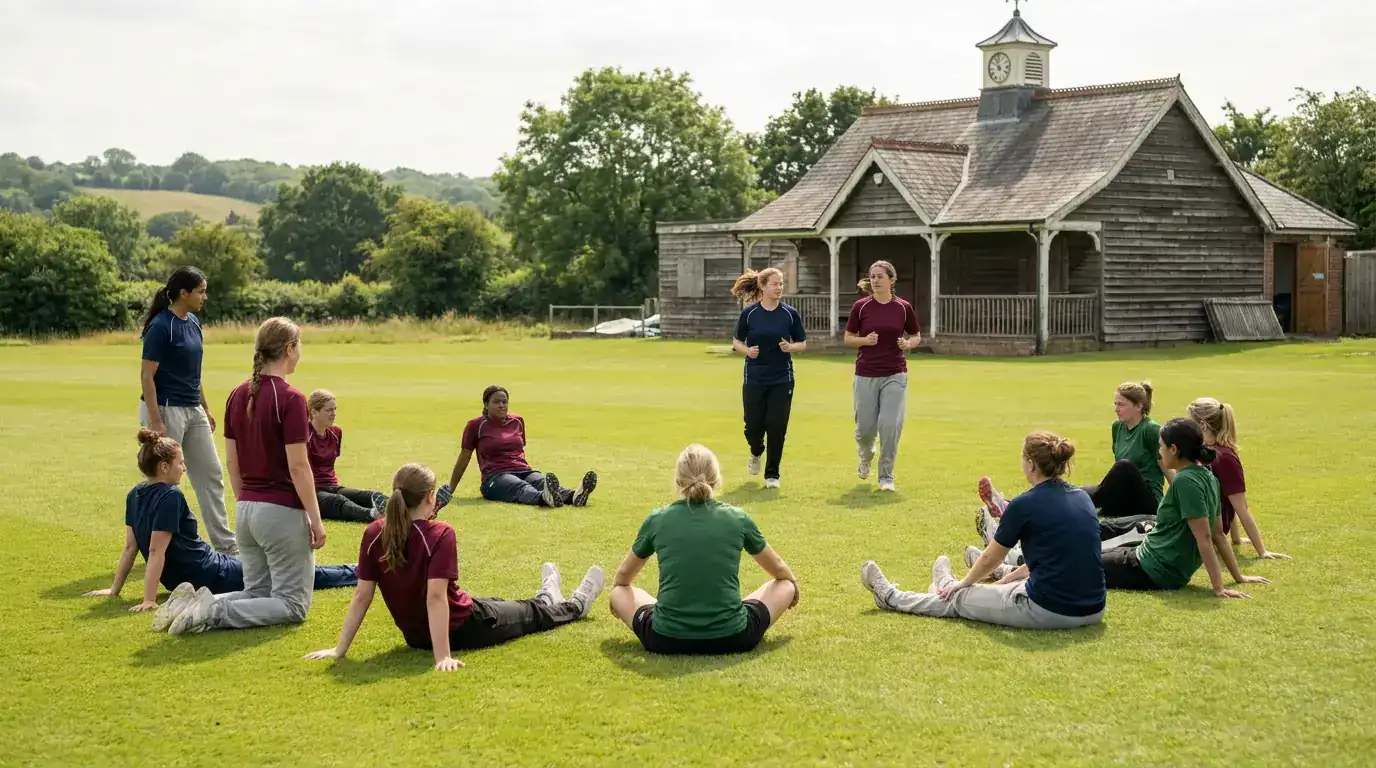
The growth in women’s and girls’ grassroots cricket is the clearest positive story in the UK game. Eighty-eight percent of UK cricket clubs reported growth in women’s and girls’ participation across the past few years according to the 2025 State of Grassroots Cricket survey. This is not a marginal expansion — it is a structural shift in who plays cricket at recreational level.
The drivers are several. The visibility of women’s international cricket has risen sharply, with England’s women playing high-profile series broadcast on free-to-air highlights and the women’s Hundred drawing 22,542 spectators to the 2025 final at Lord’s. The school programme has been broadened, with cricket integrated into mixed-gender PE curricula at more state schools than at any point in the past. The ECB’s targeted funding for women’s cricket equipment and coaching has been significant.
Richard Gould, the ECB Chief Executive, has framed equity work in the sport as fundamental to the ECB’s broader mission, with the State of Equity in Cricket Report holding the body to account on its inclusion ambitions and identifying both areas of progress and gaps where more is needed. The report process has been one of the more substantive equity exercises by a UK sporting governing body, and the participation numbers in 2025 suggest the recommendations have produced measurable change.
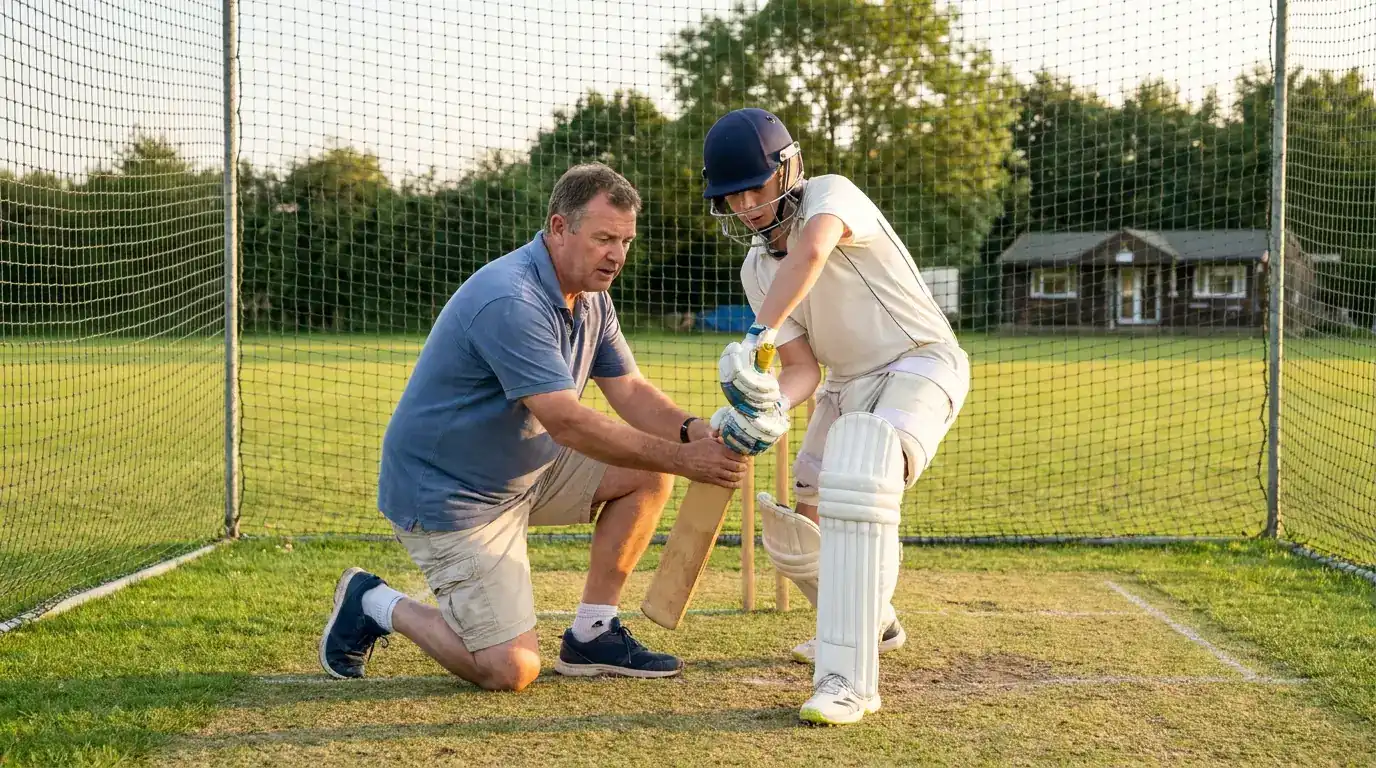
The challenge for the women’s and girls’ grassroots side is sustaining the growth rate without exhausting the volunteer coaching base. Most club coaching is delivered by volunteers, often parents and former players. As participation grows, the demand on coaching hours grows faster, and clubs without paid staff are reporting difficulty meeting the increased session schedule. The ECB has invested in coach education and recruitment, but the volunteer model is under genuine strain in some regions.
Equipment, Funding and Fixture Cancellations
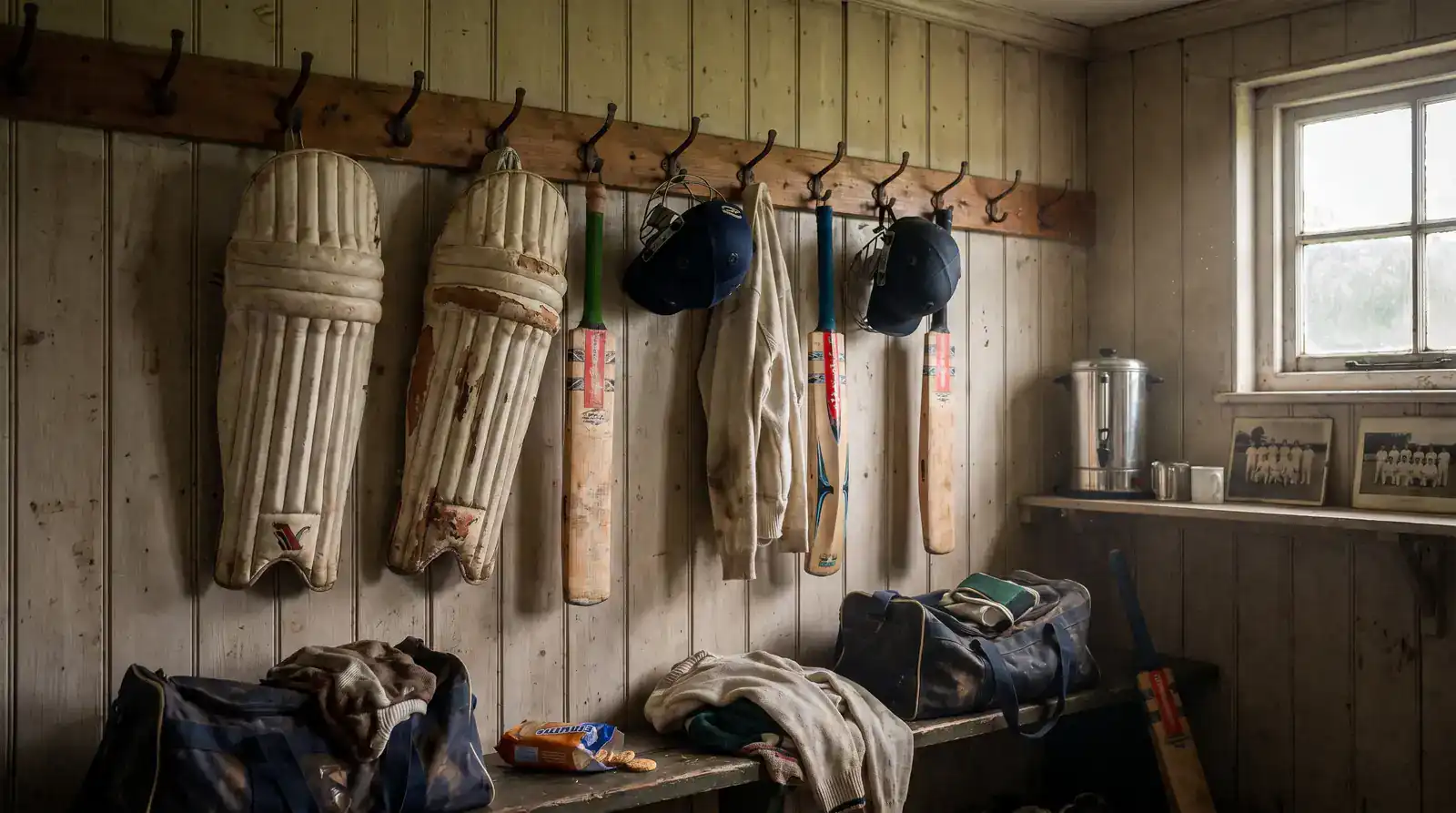
The 2025 State of Grassroots Cricket Report produced several uncomfortable figures about the operational state of UK clubs. Sixty-one percent of UK cricket clubs use equipment that is worn beyond normal lifecycle — pitches, nets, sight screens, scoreboards, kit, and protective gear that should have been replaced but has not been. The figure reflects the chronic underfunding at club level even alongside the headline investment numbers.
Only 16 percent of UK clubs receive financial support from regional boards or the ECB. Twelve percent receive support from local authorities, which historically were significant funders of recreational sport but have cut sport budgets sharply over the past decade as council finances tightened. The clubs that do not access these funding routes rely on member subscriptions, match fees, fundraising events, and sponsorship from local businesses — sources that produce variable income across years.
The third uncomfortable figure is that 48 percent of UK clubs faced the threat of match cancellation due to player shortages in the 2025 season. The number is not the same as the share of clubs that actually cancelled matches — many clubs scrambled together composite sides or pulled in players from other teams within the club to honour fixtures — but it illustrates how thin the participation base is at the senior club level. Junior and women’s participation is growing; senior men’s club cricket is contracting.
The UK government allocated £35 million to grassroots cricket in state schools, targeting 930,000 young people including 80,000 with special educational needs. The funding has been used for equipment, coaching, and pitch installation at schools that previously had no cricket provision. The programme’s full effect will not be visible for several years, but the early indicators suggest it is reaching schools that had been outside the traditional cricket-playing network.
Where Club-Level Scorecards Now Live Online
The digital infrastructure for grassroots cricket has improved sharply over the past five years. The ECB’s Play-Cricket platform is the primary system for recording club-level scorecards, fixtures, and league tables across recreational cricket in England and Wales. The platform allows clubs to publish live scorecards, ball-by-ball updates for selected matches, and end-of-season statistics for individual players.
The Play-Cricket Live app adds live-scoring functionality, including features like Manhattan graphs and worm charts that show the run accumulation pattern across an innings. For a junior or club match, having access to the same chart formats used in international broadcasts gives the players and their families a familiar way of reading what happened. The data also feeds into the ECB’s grassroots participation reporting, which is how the 106,000 All Stars and Dynamos figures and the 88 percent women-and-girls growth metric are calculated.
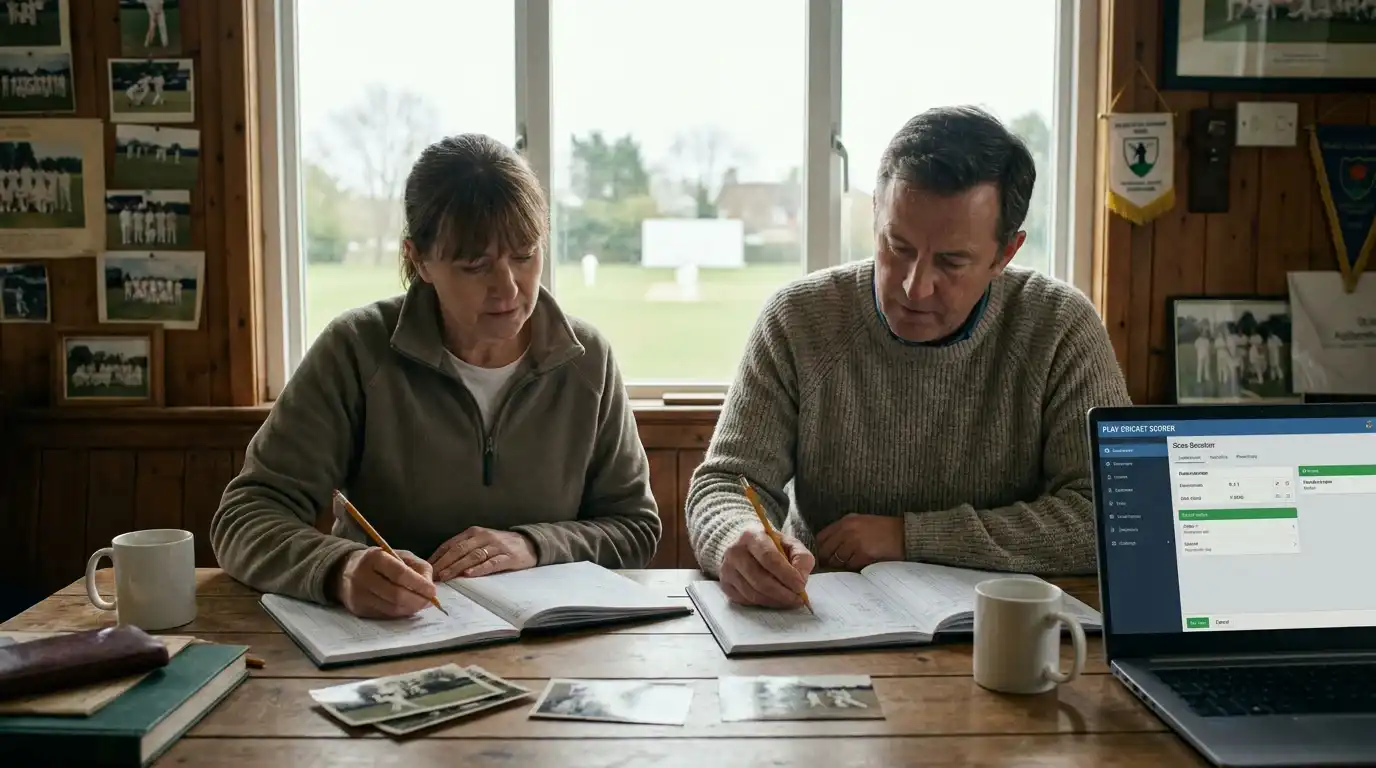
Below the league-organised cricket, informal and friendly matches still exist mostly outside the digital scorecard ecosystem. Club tournaments, charity matches, and casual friendlies tend to be scored on paper or with manual updates to a club website. The ECB has worked to broaden the Play-Cricket platform’s coverage to include these formats, but voluntary adoption takes time.
For supporters of a specific club, the club’s section of Play-Cricket is usually the best place to follow their team’s season. The scorecards are richer than the abbreviated coverage on national cricket apps, the historical archive goes back further, and the social context (who is playing, who is captaining, what the fixtures mean for league position) is built into the site. National apps occasionally pull data from Play-Cricket into their feeds, but the depth of coverage is always richer on the club’s own pages.
If you want a closer look at how all of these grassroots numbers feed into the broader UK domestic cricket season, there is more on that in our UK cricket season calendar guide.
Published by the Stumply team.
