
Cricket Fielding Positions: A Map for Watching Live Coverage
 Available in US
Why Field Names Sound So Strange to New Viewers
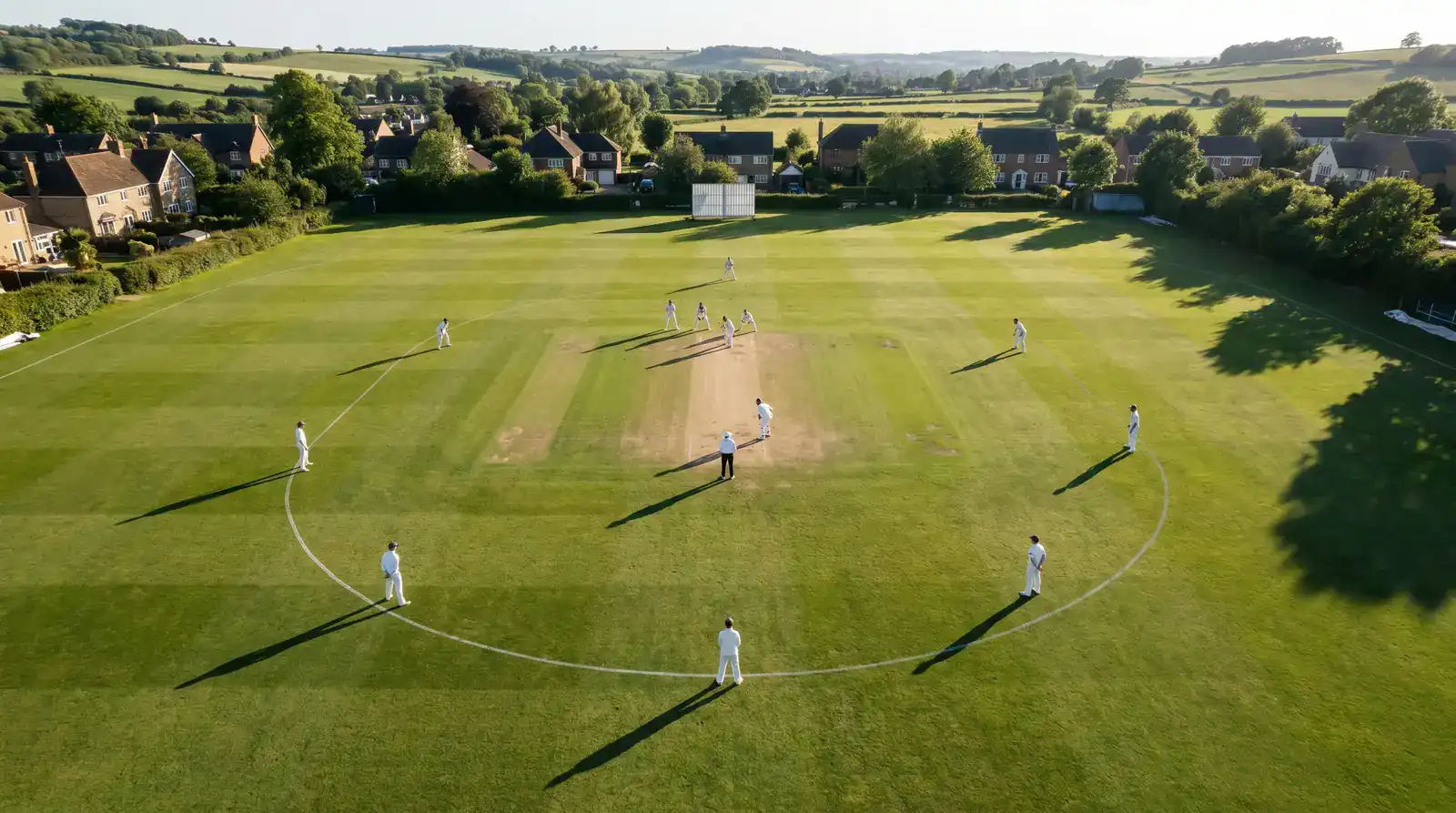
The first cricket match my partner ever watched with me, she paused the broadcast at about the fifth ball and asked why the commentator had said “fine leg” three times in a row. Within ten minutes she had a list — mid-off, mid-on, third man, square leg, deep midwicket — and the look on her face was the look of someone trying to map an unfamiliar geometry. Cricket fielding names are one of the steepest entry barriers to the sport, and they are unusual because they describe positions relative to the batter’s stance rather than to fixed compass points on the ground.
Once you understand that the off side is the side the bat is held on, and the leg side is the side the batter’s legs are on, the rest of the names start to make sense. Names like “mid-off” mean “midway down the off side, halfway between the bowler and the boundary.” “Deep” means closer to the boundary. “Fine” means closer to the wicketkeeper’s line. “Square” means level with the batter at the moment of delivery. Cricket grew its terminology incrementally over centuries, and the result is a positional grammar that rewards a small amount of memorisation with a lot of clarity when broadcasters use it.
The Infield Positions Inside the Circle
The infield is the area inside the 30-yard circle that surrounds the pitch. In limited-overs cricket, the number of fielders allowed outside this circle is restricted by powerplay rules, which means infield positions matter for both ball-stopping and saving boundaries.
Starting on the off side and moving outward: cover sits roughly between mid-off and the point area, halfway to the boundary. Extra cover is the position between cover and mid-off, slightly straighter than cover. Mid-off stands a few yards behind the bowler on the off side, roughly in line with the bowler’s follow-through. Mid-on mirrors this on the leg side.
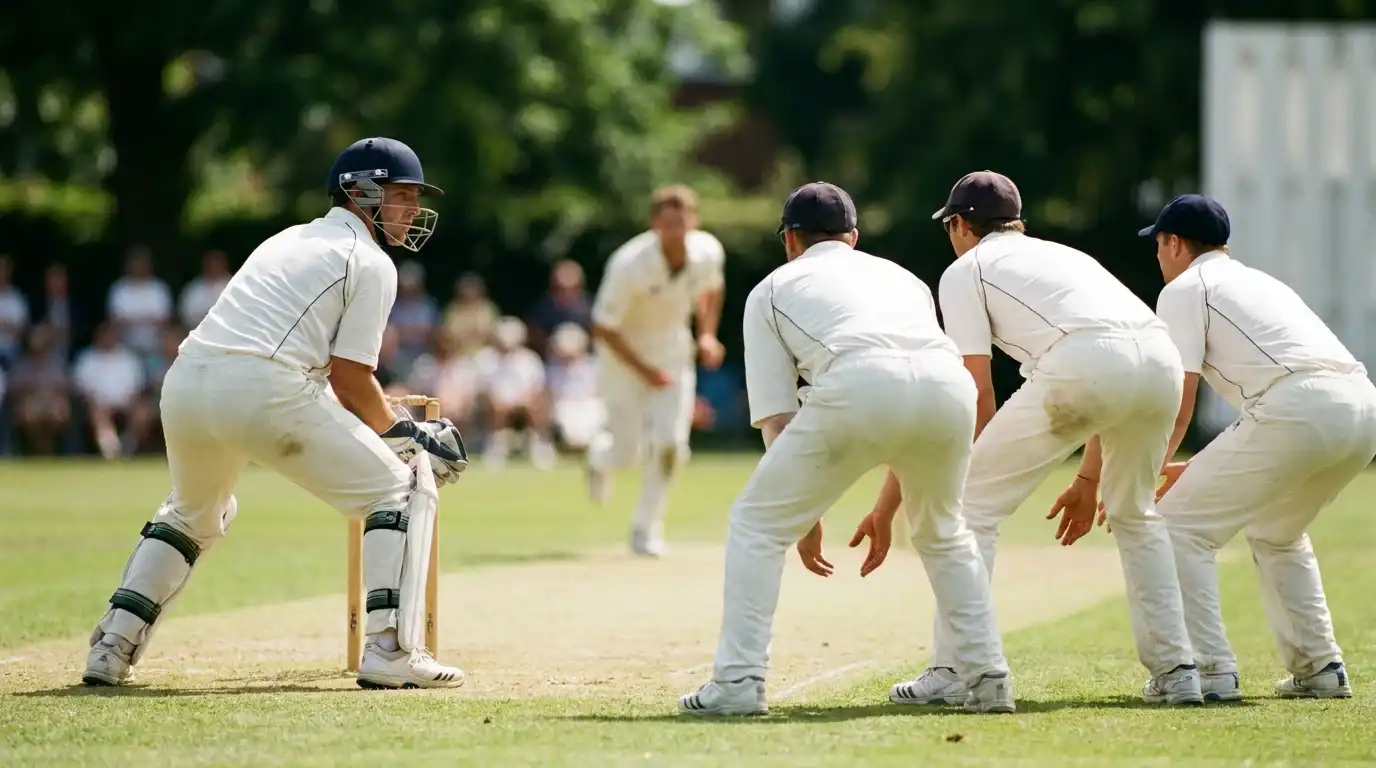
Moving square of the wicket on the off side, point stands square of the batter’s stance — directly to the side of the popping crease. Backward point sits slightly behind square. Silly point is the close-catching version of point, positioned only a few yards from the bat.
On the leg side, the infield positions include square leg (directly square of the batter on the leg side), midwicket (between square leg and mid-on, slightly straighter), and short leg (close in on the leg side, often catching at the bat). Leg slip is the leg-side equivalent of a slip catcher, standing slightly back from the keeper on the leg side — it is rare in modern cricket but still used against particular batters.
Captains move these positions yard by yard depending on the bowler, the batter, and the match situation. Broadcasters often show the field positions with an overhead graphic before each new bowler, and the placements you see at the start of an over are rarely the same as the placements at the end of it.
The Outfield: Deep, Long and Sweeper
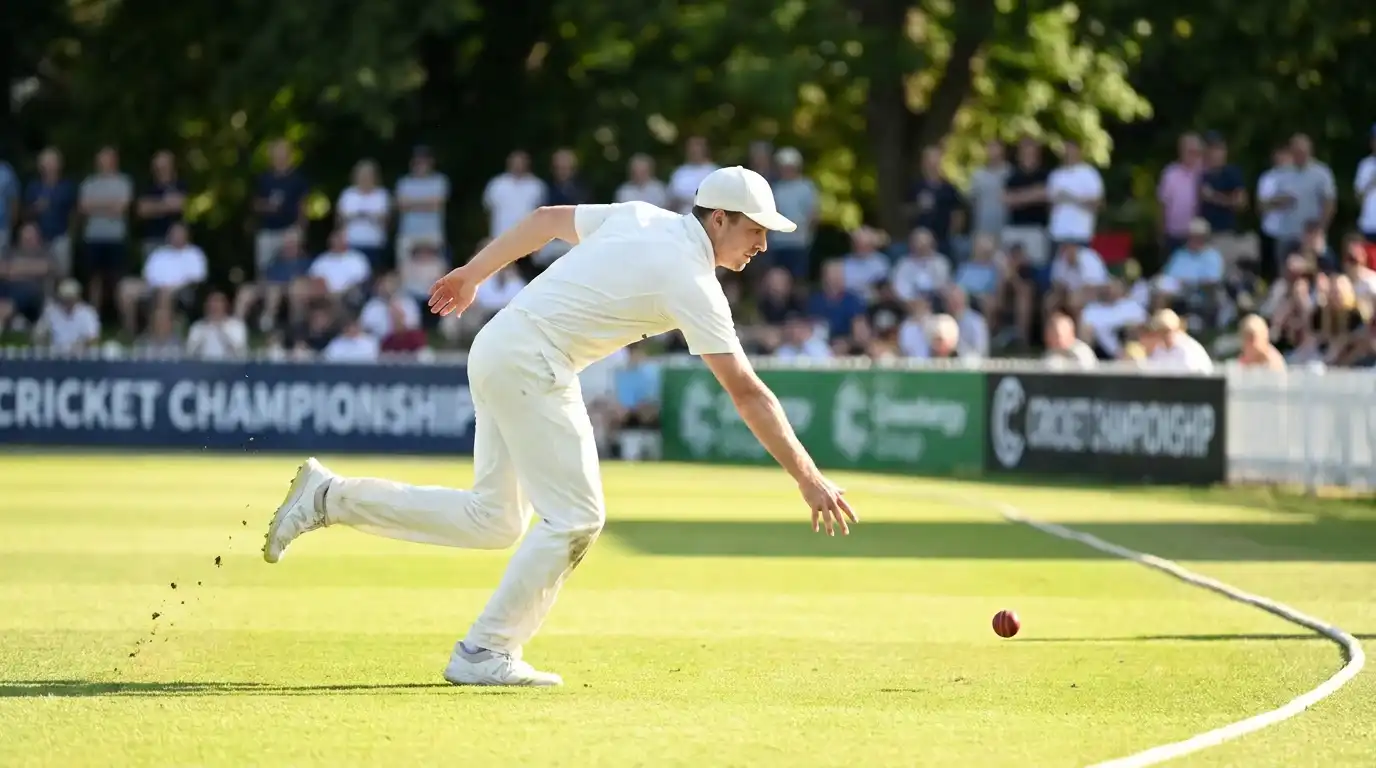
Outfield positions sit close to or on the boundary rope. Their job is to stop boundaries — both fours along the ground and sixes through the air — and they are the positions where a strong throwing arm matters most. A run-out from the deep is one of the most valuable single moments of fielding a side can produce.
The naming convention adds the word “deep” in front of the equivalent infield position. Deep cover is the boundary version of cover. Deep midwicket stands on the boundary in line with the infield midwicket position. Deep square leg and deep extra cover follow the same logic.
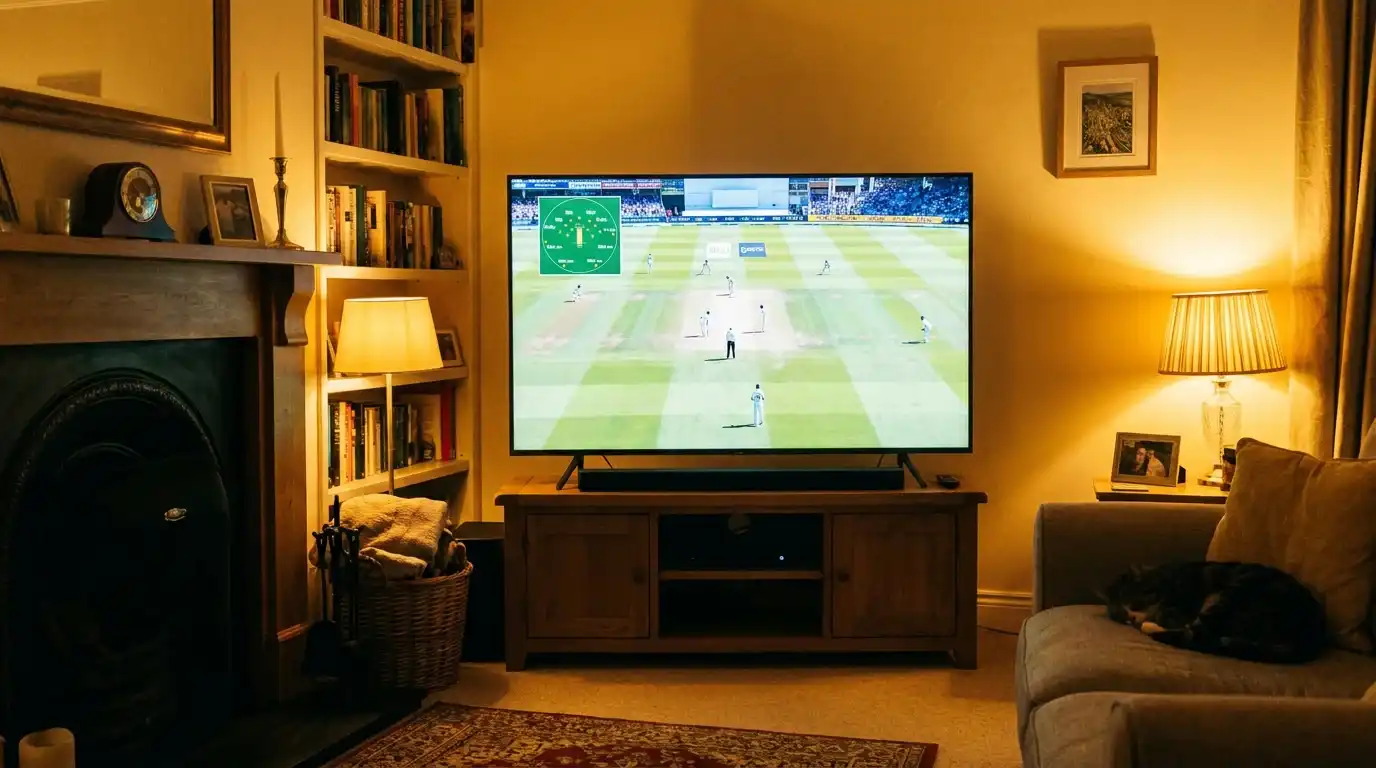
Two outfield positions have their own dedicated names: long-off and long-on. These stand on the straight boundary on either side of the bowler’s end. They are particularly important against batters who hit straight, since a clean straight drive over the bowler’s head is one of the easiest sixes in cricket — and long-on or long-off is the fielder asked to catch or stop it.
The sweeper is a deep fielder placed on the boundary at an angle wider than long-off or long-on — usually at deep cover or deep midwicket — specifically to chase down balls hit hard along the ground rather than catching aerial shots. The sweeper’s job is footwork and a fast throw, not catching skill. Captains use a sweeper when the bowler is being hit to a particular area frequently and the captain wants to convert what would be fours into ones or twos.
Modern broadcast graphics frequently show the predicted ball path from Hawk-Eye — the system claims ±5 millimetre precision for the first-contact position and ±2 millimetre uncertainty for the predicted path after the ball is intercepted — and the same data feeds drive the heat maps that show where each batter has scored runs, helping captains decide where to place their outfielders.
The Wicket-Keeper, Slips and Gully
The wicket-keeper is the most specialised fielding position in the game. The keeper stands directly behind the stumps, takes every ball that the batter does not hit, and is the only fielder allowed to wear gloves and external leg guards. The keeper’s height behind the stumps adjusts to the bowler — well back for fast bowlers, right up close to the stumps for slow bowlers.
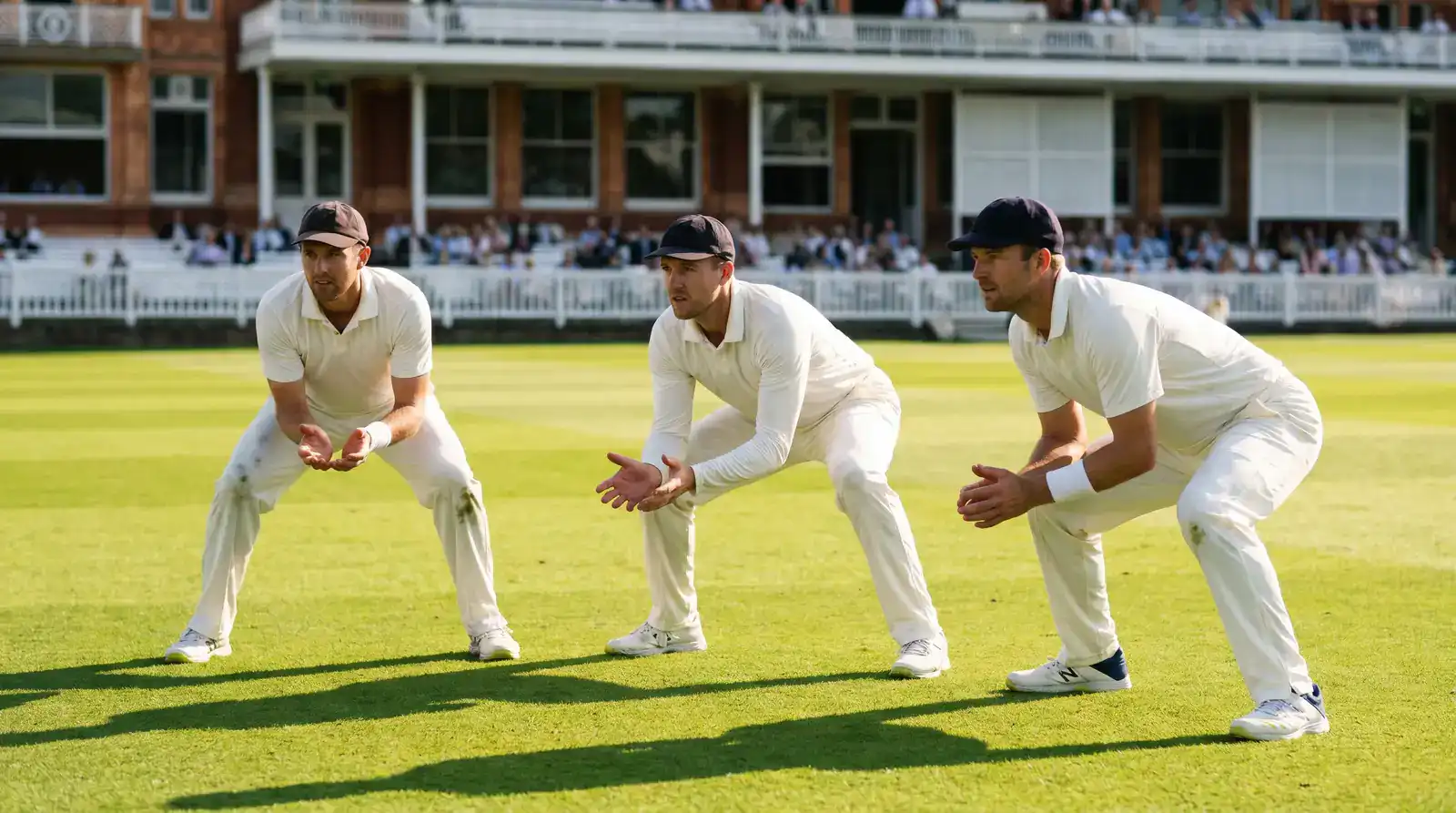
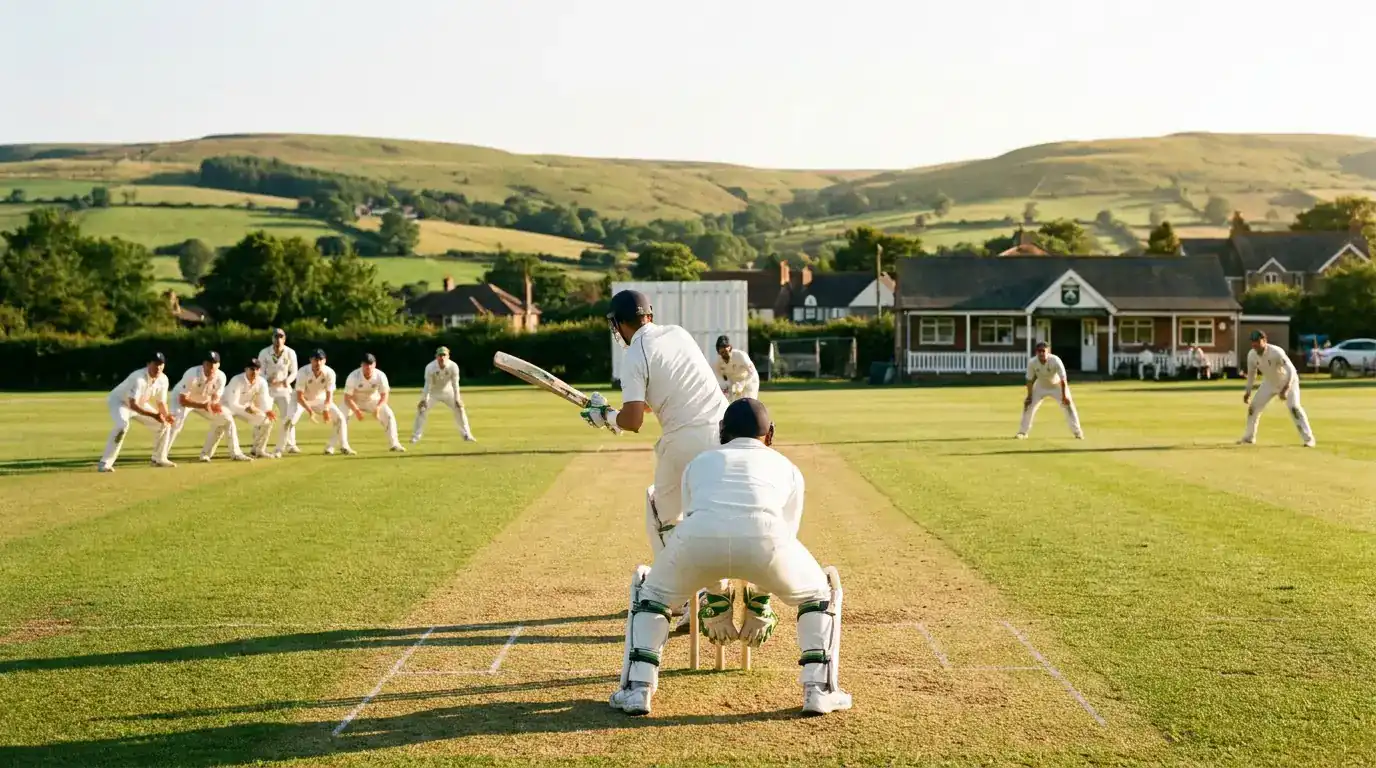
The slip cordon sits to the off side of the keeper. First slip stands closest to the keeper, with second slip, third slip, and so on extending outward at angles. Slips are catching positions — they exist to take the edge of the bat when a batter plays at a ball outside off stump and gets a thin nick. A standard Test cricket field will include between one and three slips depending on conditions and bowler type.
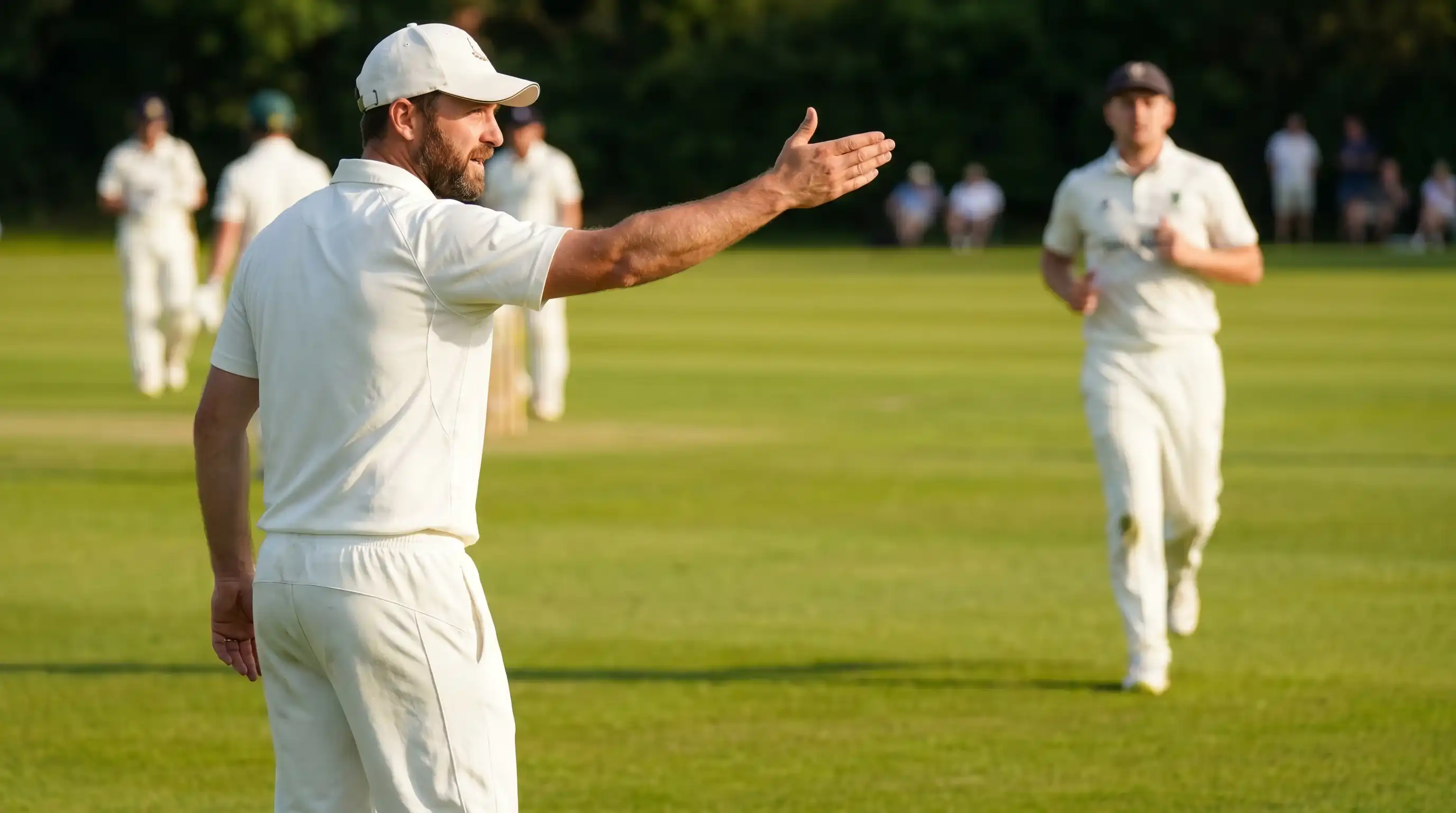
The gully stands slightly squarer than the slips, in the gap between the slip cordon and the point fielder. The gully catches the thicker, harder edges that fly square of the wicket rather than the fine snicks that go to the slips. Gully is a position that rewards quick reflexes and the ability to dive low to either side.
The slip and gully positions are most heavily populated in Test cricket, where bowlers attack outside off stump for long sessions and the chance of edges is high. In T20 cricket, sides usually run with one slip at most, and often none — the field is set to save boundaries, not to catch edges, because batters in T20 cricket play across the line so often that fine edges are rarer and the runs they save by catching them are less than the boundaries conceded by leaving the slip in place.
How Broadcast Graphics Show the Field
Modern UK cricket broadcasts have become much better at showing the field clearly. Most coverage includes an overhead view of the ground with each fielder represented as a dot or icon, the boundary marked, and the 30-yard circle drawn. The graphic typically appears between overs when a new bowler is introduced, or at the start of a new batter’s innings.
Broadcasters also use the field graphic for tactical analysis. A commentator pointing out that “the deep square leg has been pushed straighter” is referring to a visible change on the overhead graphic — a fielder moved from the leg-side boundary closer to the line of long-on. The graphic makes the captain’s tactical thinking legible to viewers who would otherwise miss the adjustment.
Some scorecards online also include a position abbreviation against catches. A scorecard line reading “c Stokes b Anderson” tells you Stokes took the catch and Anderson took the wicket. Adding a position note — “c Stokes (slip) b Anderson” — tells you Stokes was at first slip when he took the catch, which adds useful detail about how the wicket fell. Not every scorecard includes the position, but the best ones do.
If you want a closer look at how all of these abbreviations and conventions tie together in the rest of the live scoreboard, there is more on that in our scorecard reading guide.
Created by the "Stumply" editorial team.
