
Private Equity and English Cricket: What the Franchise Sales Mean for the Score
 Available in US
Why Investor Money Suddenly Matters to Match-Day Watchers
The first time a cricket-watching friend asked me about private equity in cricket, he was confused about why it mattered to him. He watched the Hundred on the BBC highlights show. He went to two T20 Blast games a season. He had no investment in any franchise and was not planning to buy shares in anything. Why should investor money affect how he watched cricket? The honest answer is that it affects more than people expect — not directly, not immediately, but through a slow set of decisions about scheduling, broadcasting, pricing, and the structure of the competition itself. Once a Hundred franchise has paid investor money to enter the competition, the franchise has financial expectations it must meet, and those expectations reshape the surrounding cricket calendar.
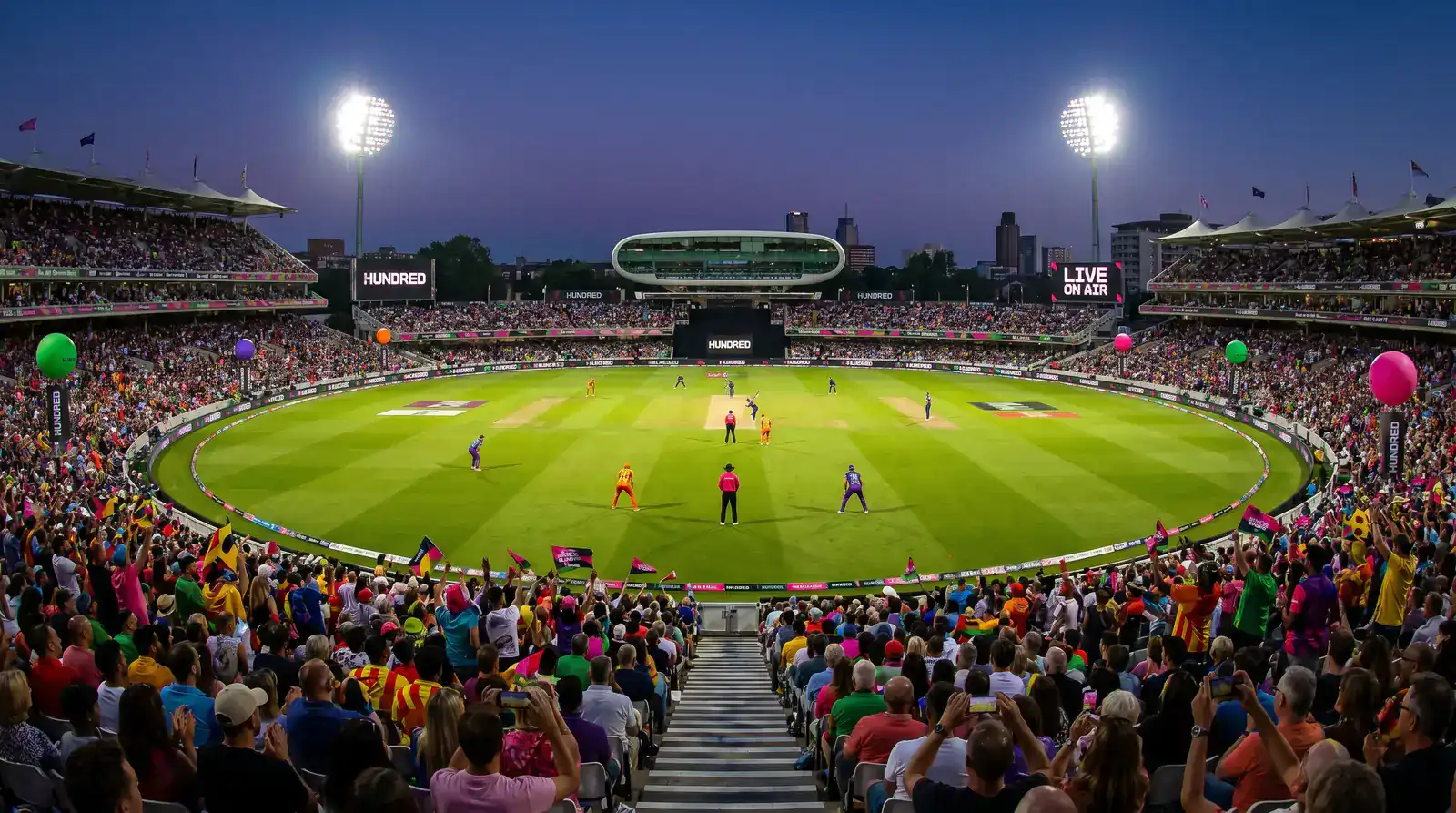
The combined valuation of the eight Hundred franchises reached £975 million in 2025 when private equity investment was attracted at scale. The number is a measure of what investors believe the competition can earn in revenue over the coming decade. That kind of money does not enter a sport without producing real effects on how the sport is organised. The match-day viewer may not notice the changes at first, but the ticket prices, the broadcast schedules, the marketing campaigns, and the calendar pressure on the rest of UK cricket are all being shaped by what those investments need to return.

The £975 Million Combined Valuation
The £975 million figure aggregates the valuations of the eight individual Hundred franchises — London Spirit, Oval Invincibles, Trent Rockets, Southern Brave, Birmingham Phoenix, Manchester Originals, Northern Superchargers, and Welsh Fire. Each franchise was valued separately based on its host venue, catchment area, sponsorship potential, and existing engagement metrics. The London-based franchises commanded the highest individual valuations, reflecting the larger urban catchment and the prestige of the host grounds.
The valuations were set during the 2025 sale process, in which the ECB sold stakes in the franchises to private investors. The proceeds were distributed across the ECB’s stakeholders — the eight host counties received significant shares, the wider county network received a smaller distribution, and the ECB itself retained funds for grassroots and women’s cricket investment. The mechanism was designed to spread the upside of the sale beyond the franchise host counties.
The £975 million should be read alongside the ECB’s broader financial picture. Annual revenue stands at around £310 million, with roughly 75 percent (£225 million) coming from broadcast rights. The Hundred franchise sale represents a one-off injection of capital several times the annual broadcasting revenue, and the impact on the ECB’s balance sheet has been substantial. The question for the next decade is whether the franchise revenue continues to grow as investors expect, justifying the valuations they paid.
The franchise valuation methodology was driven primarily by future media rights expectations and gate receipts. The Hundred’s UK domestic TV deal with Sky was already structured to rise from £37.8 million in 2025 to £54.3 million from 2026 onwards. The investors who paid the £975 million valuations were doing so on the basis that the next rights cycle would produce another substantial uplift, and that overseas rights, sponsorship, and digital revenue would grow at compound rates.
How Investors Plan to Earn Their Return
Private equity investments in sport typically aim for a return through several routes: revenue growth from broadcasting and sponsorship, gate receipts and tickets, merchandising, digital and gaming income, and ultimately a profitable exit through a secondary sale or public listing. The Hundred franchises plan to earn returns through all of these channels.
Broadcasting revenue is the largest single component. The expected growth in UK domestic rights — already locked in for the 2025–2028 cycle — provides a baseline. The bigger upside comes from overseas rights, which the Hundred has only begun to develop. Cricket-mad markets in South Asia, the Middle East, and parts of the Caribbean have been identified as growth opportunities for the competition’s broadcast footprint. Whether the Hundred can secure the kind of overseas rights fees that the IPL or Big Bash have produced remains uncertain.
Sponsorship and brand-partnership revenue are the next layer. Each franchise has its own commercial team building partnerships with regional and national brands. The audience composition — 41 percent families, 30 percent women, 23 percent juniors, 31 percent in the 18–44 demographic against 24 percent for UK cricket fans generally — is genuinely attractive to brands looking to reach segments that traditional cricket sponsorship struggles to deliver.
Ticket revenue is more modest in scale but valuable as a high-margin income stream. The 2025 Hundred recorded around 580,000 ticket sales, with the cumulative five-season total passing 2.5 million. Pricing has been kept deliberately affordable to support the family audience, which limits the ceiling but produces consistent volume.
Risk Side: What Could Slow the Curve
Investor projections rest on assumptions about engagement, audience growth, broadcast value, and overall sporting calendar conditions — none of which are guaranteed. Several risks could slow the revenue curve below what the £975 million valuation requires.
The first risk is the international cricket calendar. The Hundred runs in late summer, sharing the window with the One-Day Cup and overlapping with England’s home international fixtures. Any shift in the international calendar — an extra Test series, a major ICC event, or a change in the women’s calendar — could pressure the Hundred’s window and reduce the available player pool. The Hundred relies on the marquee international players that its franchises sign each summer, and any disruption to player availability would damage the audience proposition.

The second risk is competitor cricket leagues. The Indian Premier League’s expanding window, the South African franchise league, and other domestic T20 competitions are competing for the same overseas player base. The Hundred has been pulled into a global market for franchise players, and the cost of acquiring top talent has risen accordingly. If those costs rise faster than the revenue, franchise margins compress.
The third risk is general cricket engagement. The 2025 audience growth was strong, but cricket engagement in the UK is still recovering from a longer-term decline. If the Hundred’s family audience does not convert into longer-term cricket supporters who watch other competitions and buy tickets across the calendar, the long-term ECB strategy weakens even if the Hundred itself grows.
Financial experts have urged caution about projecting the Hundred’s growth too far forward, with particular concern about the period from 2029 onwards when the current broadcast cycle ends and the next round of media rights negotiation begins. The valuations rest on assumptions that may or may not survive those negotiations, and any softening in the rights market would directly hit franchise returns.
What Changes for the Person Watching the Score
For the typical UK cricket viewer following the score from home or the ground, the private equity transition produces several second-order effects worth understanding. The first is scheduling intensity. Franchise owners want their teams to play as many high-profile fixtures as possible, which pushes the calendar toward more compressed, high-attention windows. The Hundred’s three-and-a-half-week window is already compressed; pressure to lengthen it or to add additional fixtures will continue.
The second is broadcasting reach. Investor-owned franchises want their matches available on as many platforms as possible, both for direct revenue and for the brand exposure value. The trend of cricket coverage spreading across linear TV, streaming services, social media clips, and direct-to-fan digital products will accelerate. Match-day viewers will have more ways to watch, but the most premium content will increasingly sit behind paywalls.
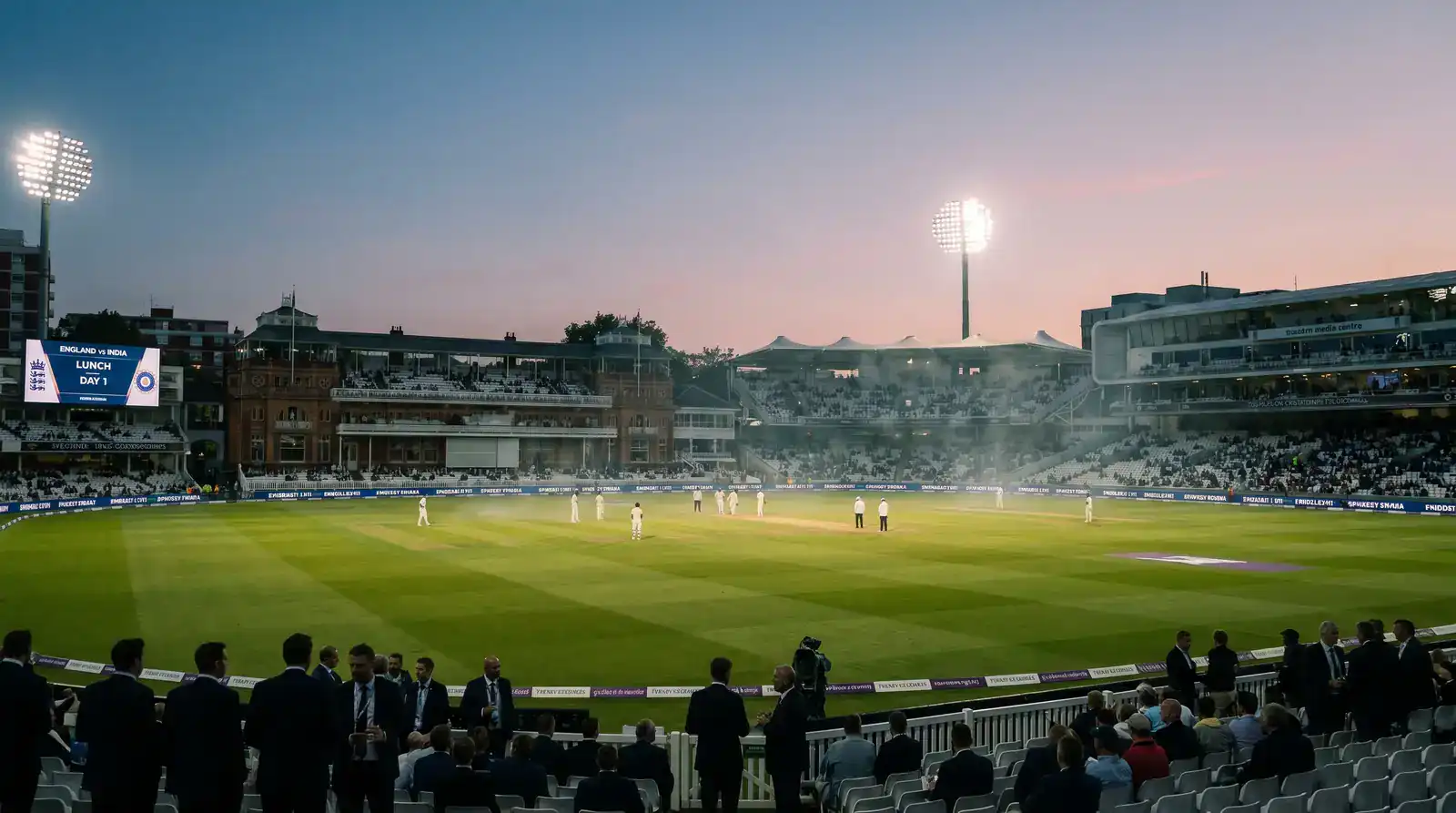
The third is the ripple effect on other UK cricket. The Hundred’s commercial success raises expectations for the rest of the calendar. County Championship matches — 126 of them across 18 counties in the 125th edition during 2025 — produce a fraction of the per-match revenue the Hundred does. The pressure on the long-form game to justify its place in the calendar will continue, and the way the County Championship is presented to viewers will likely change.
The fourth is the women’s game. Private equity in the Hundred has explicitly committed to growing the women’s competition alongside the men’s, partly because the audience composition justifies the investment and partly because regulatory and reputational expectations require it. The women’s match-day experience and broadcast treatment will continue to expand in scope and budget across the coming years.
If you want the broader picture of how the Hundred’s commercial structure fits inside UK cricket broadcasting more generally, there is more on that in our UK cricket broadcasting guide.
Written by the editors at Stumply.
