
UltraEdge and Snicko Explained: How Cricket Confirms an Edge
 Available in US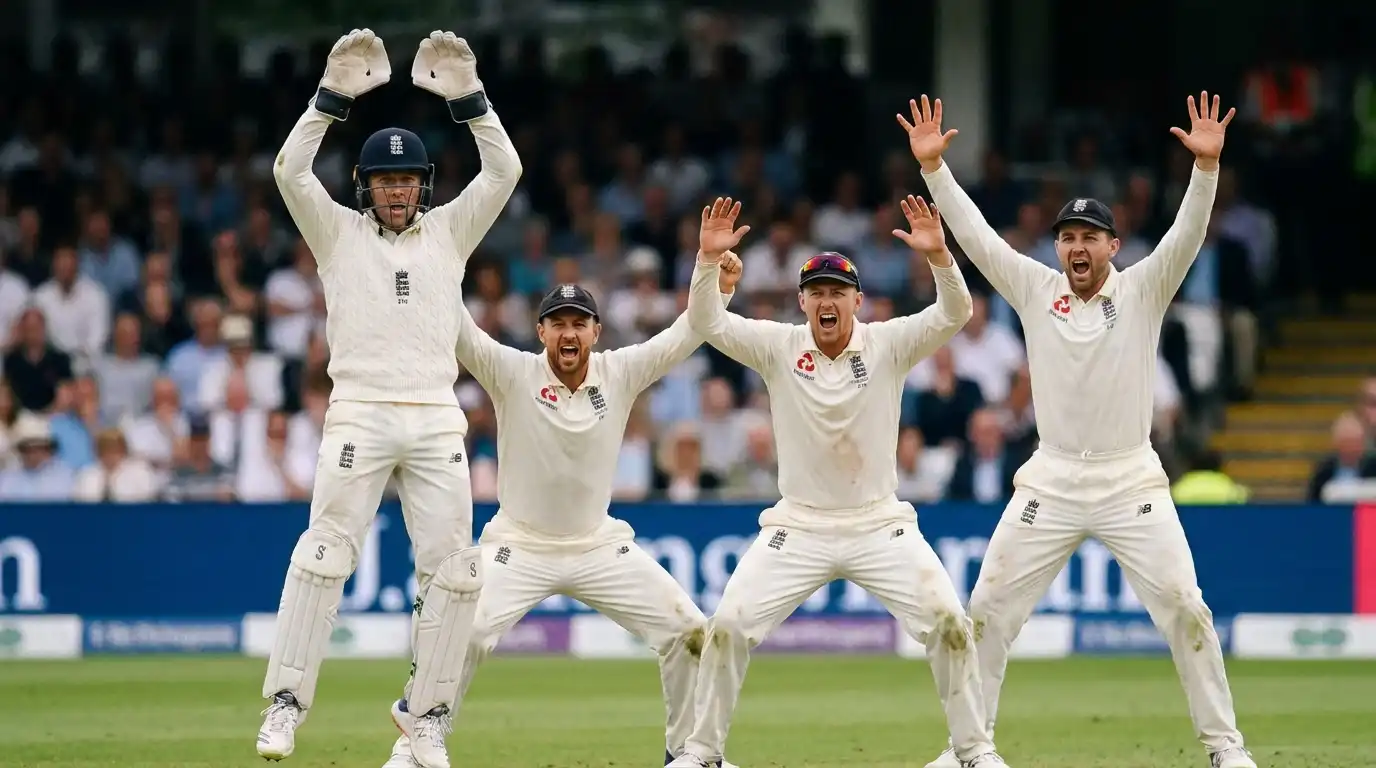
The Three Tools That Sit Between Bat and Caught-Behind
I once sat in a press box during a Test at Lord’s where the third umpire took nearly three minutes to rule on a single edge. The audio spike was clear. The visual was inconclusive. Hot-Spot showed nothing. The verdict came down to interpretation of two pieces of evidence that did not entirely agree. Caught-behind decisions are where cricket’s officiating technology earns its money, and where the limits of each tool become visible.
There are three systems that have, at various points, sat between a bowler’s appeal and the third umpire’s verdict. Snickometer was the first. UltraEdge succeeded it. Hot-Spot, the thermal imaging system, ran alongside both for years and then quietly faded out. Understanding how each works — and why one survived while another vanished — explains a lot about why edge calls still divide opinion.
None of these tools is a magic answer. They are evidence. The third umpire weighs them against the visual and against each other. When they agree, the decision is straightforward. When they disagree, someone has to make a call, and the rulebook gives the on-field umpire the benefit of the doubt unless the evidence is clear.
Snickometer: Sound Versus Frame
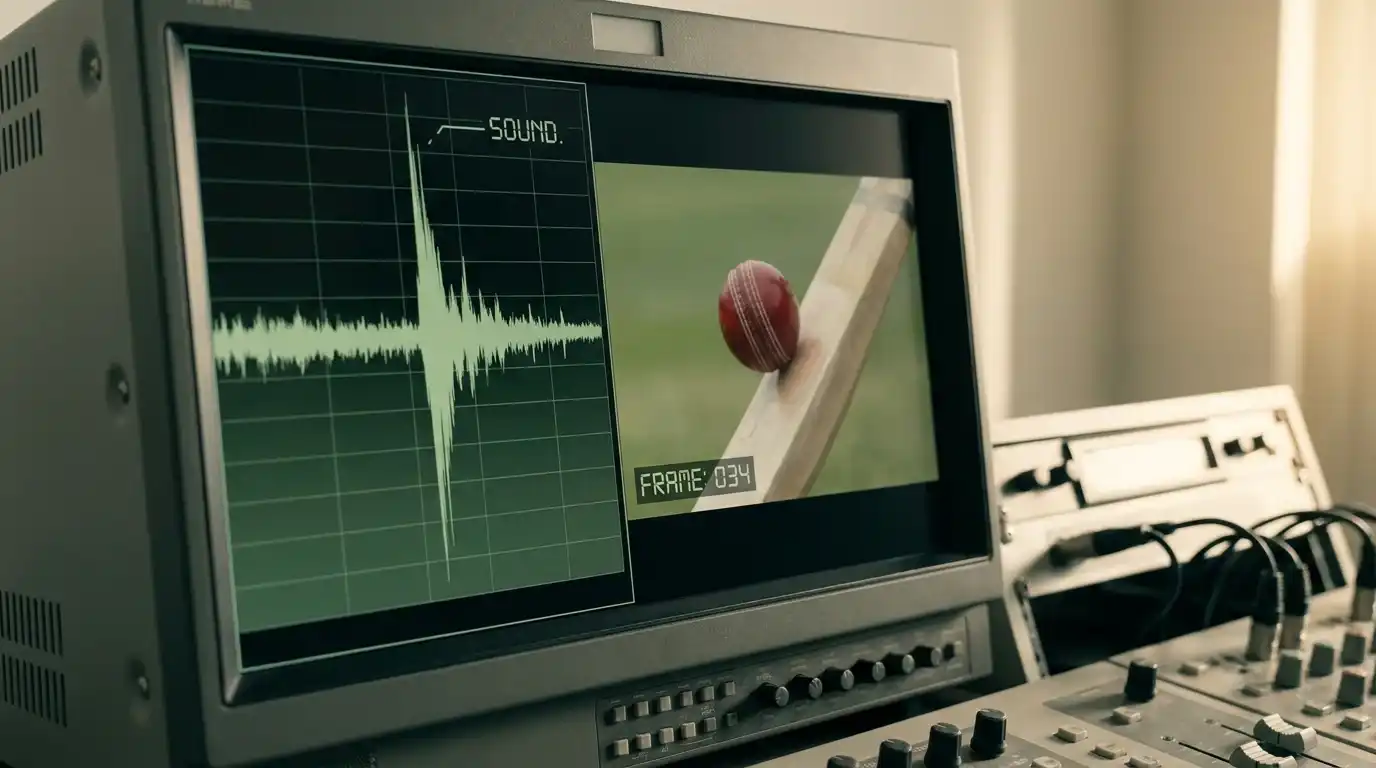
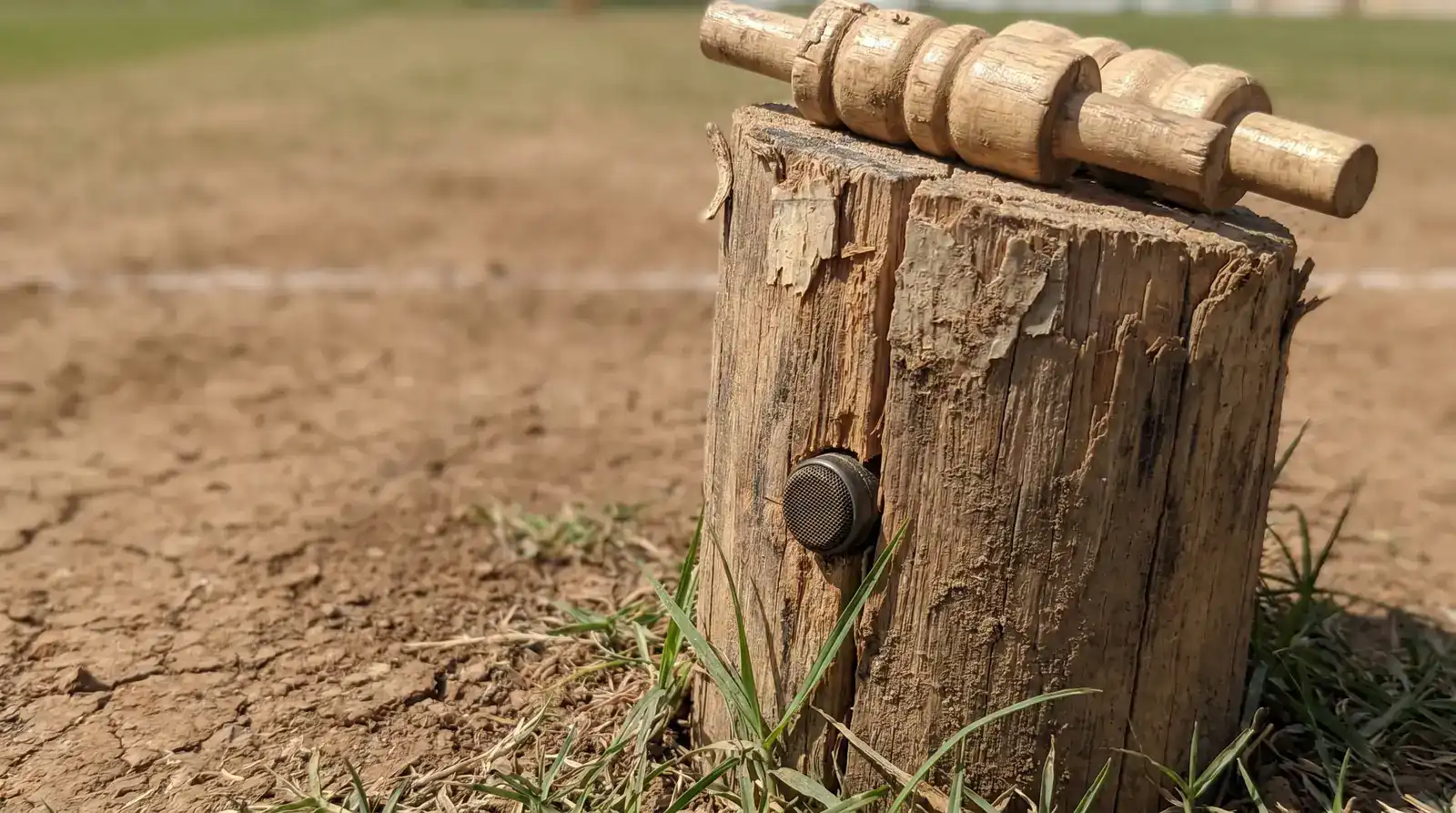
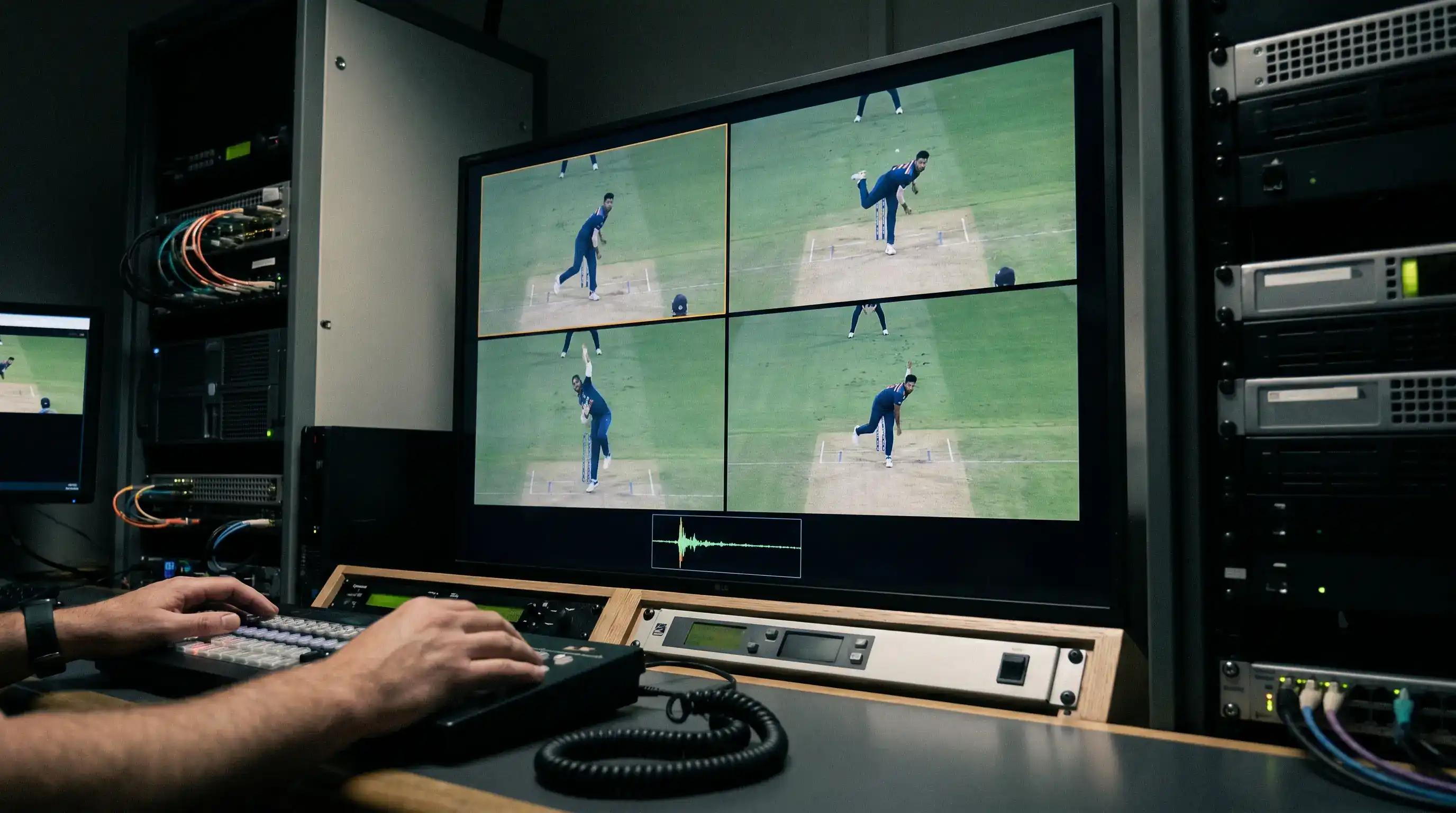
The original Snickometer, developed in the late 1990s, was conceptually simple. A microphone — usually placed at the stumps — recorded the audio as the ball passed the bat. The system then aligned the audio waveform with the slow-motion video frame by frame. If a spike on the audio coincided with the precise frame the ball passed the bat, you had an edge.
Two things made Snicko useful as a broadcast tool but unreliable as a decision aid. First, the timing precision was tied to the broadcast frame rate, typically 25 or 50 frames per second. That sounds adequate until you remember a fast bowler’s delivery can cross the stumps in milliseconds. A spike that appeared one frame off the apparent contact could be genuine — the sound simply arrived a fraction late because the microphone was a few metres from the bat.
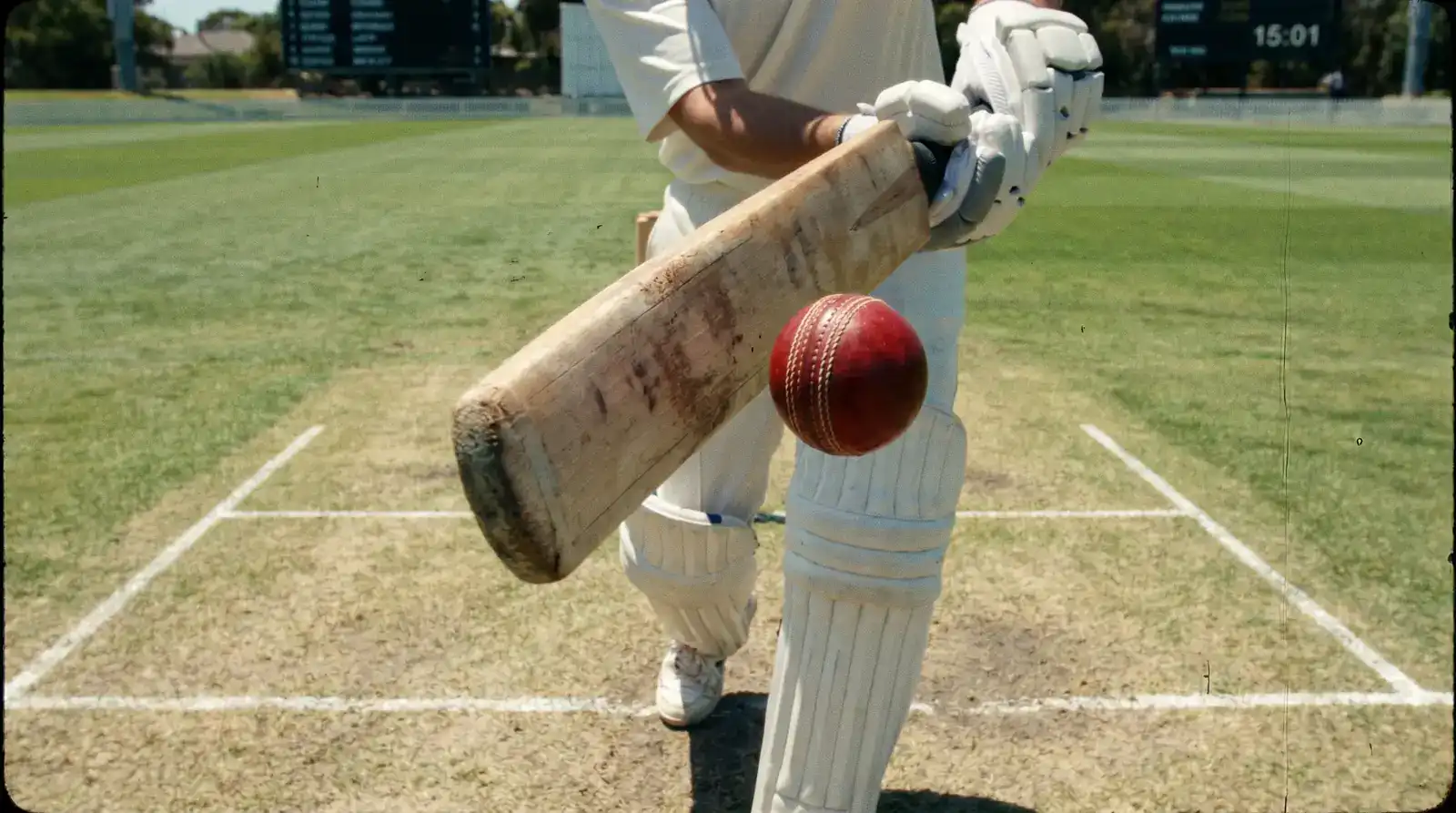
Second, the system could not distinguish between sound sources. A spike could be bat on ball, bat on pad, bat on ground, or even a stump mic picking up the keeper’s gloves. The viewer in the commentary box could often guess from context which it was. The third umpire trying to make a binding ruling could not. For these reasons, Snicko was rarely used as the sole evidence for an LBW or caught-behind decision in the early DRS years. It was a supporting voice, not the verdict.
That said, Snicko changed how viewers understood close decisions. For the first time, you could see whether there had been any contact at all between bat and ball. That visibility is what eventually demanded a more precise version of the same idea.
How UltraEdge Improves on Snicko
UltraEdge, introduced in the mid-2010s, is the upgrade. The underlying principle is the same — audio synchronised to video — but every part of the stack is sharper. The microphones are better. The sample rate is higher. The alignment between audio and video is tighter. The result is a system that can resolve sub-frame timing differences and produce a waveform precise enough to inform a binding decision.
The key technical leap is the synchronisation. UltraEdge does not just match the audio spike to the nearest video frame. It uses time-stamping accurate to the millisecond, which means a spike arriving at the exact moment the ball is closest to the bat reads as a genuine edge, while a spike arriving even one frame later reads as bat on pad. That precision is what allows the third umpire to make a confident call even when the visual is ambiguous.
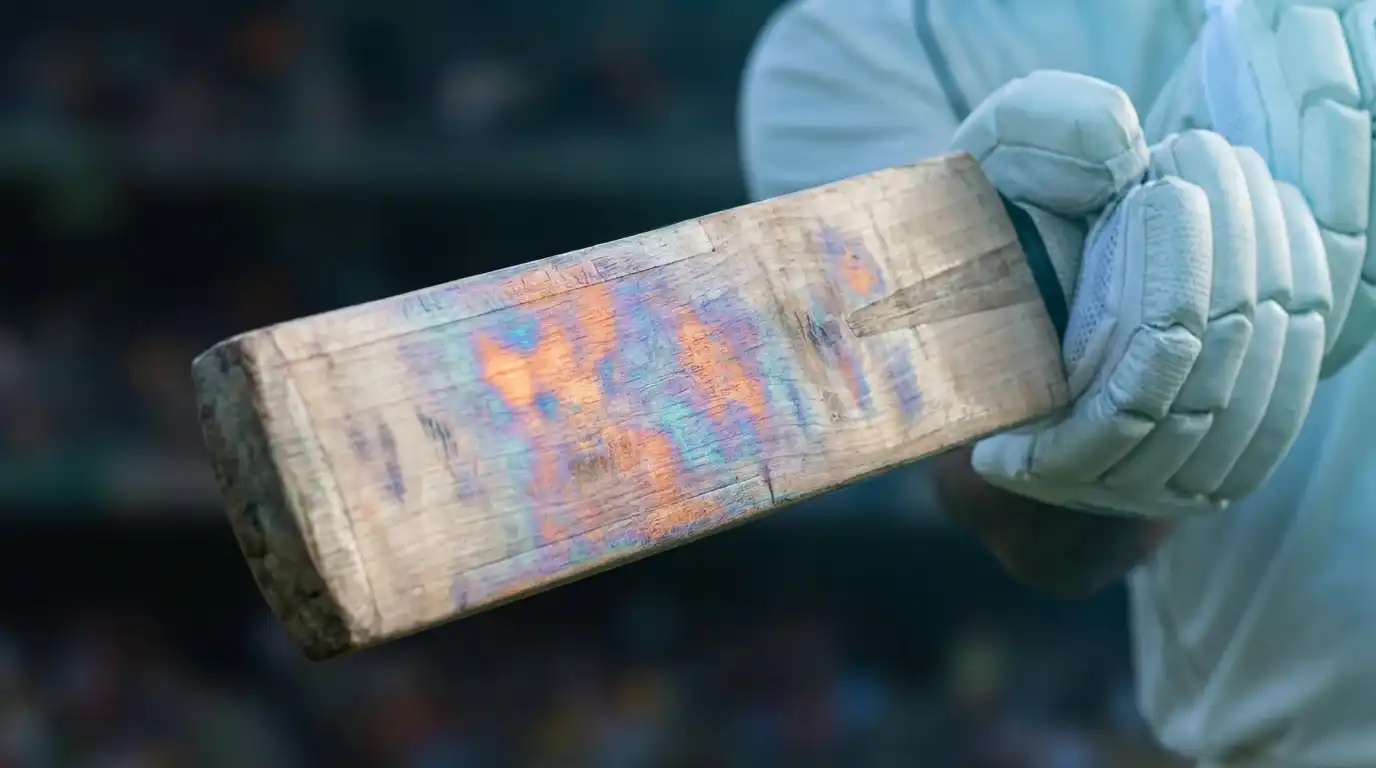
UltraEdge also displays the waveform in a way that gives the third umpire more information than the original Snicko. The amplitude of the spike, its shape, and whether it is a sharp peak or a slower rumble all give clues about the source. A bat edge produces a characteristic crack. A pad slap produces a duller thud. The waveform makes the difference visible even when the audio alone might sound similar.
The tool is now standard in major international cricket and in The Hundred. Across Test cricket, where DRS feeds into roughly fifteen percent of all wickets, UltraEdge is usually the decisive piece of evidence in caught-behind reviews. The system has its critics — every system does — but it has done more than any other technology to clean up the most common review type.
Hot-Spot’s Thermal Approach and Its Decline
Hot-Spot was always the most photogenic of the three. Infrared cameras detected the heat generated by friction at the moment of contact between bat and ball, displaying it as a glowing spot on the surface of the bat. When it worked, it was visually compelling — a smoking gun, literally.
The trouble was that it did not always work. The thermal signature of a fine edge could be too weak to register, particularly with the lacquered surfaces of modern bats that conduct heat differently from older willow. Cold conditions reduced the contrast. Direct sunlight on a bright day could wash the image out. False negatives — where a clear edge produced no Hot-Spot trace — were a real and recurring problem.
The cost was the second issue. Hot-Spot cameras were expensive to install and operate, and the licensing fees from the company that ran them added to the bill. As UltraEdge matured and offered comparable confidence at a lower cost, broadcasters and boards quietly stepped back from Hot-Spot. It still appears in some series at the producer’s discretion, but its role has shrunk from primary evidence to occasional supplement.
I miss it as a viewer because the visual was so clear. As an analyst, I do not, because the false negatives muddied too many decisions. The decline of Hot-Spot tells you something about how cricket’s officiating tools get judged in the long run. The most spectacular system does not always win. The most reliable one does.
When the Tools Disagree
The interesting cases are when the evidence does not align. Three things can happen, and I have seen all of them in the past few seasons.
First: clear UltraEdge spike, no visible deviation. The audio shows a sharp peak at the exact frame, but the ball’s trajectory on the camera looks unchanged. This is usually a feather edge — enough contact to make a sound but not enough to deflect the ball noticeably. UltraEdge is the deciding evidence here, and the decision goes with the audio.
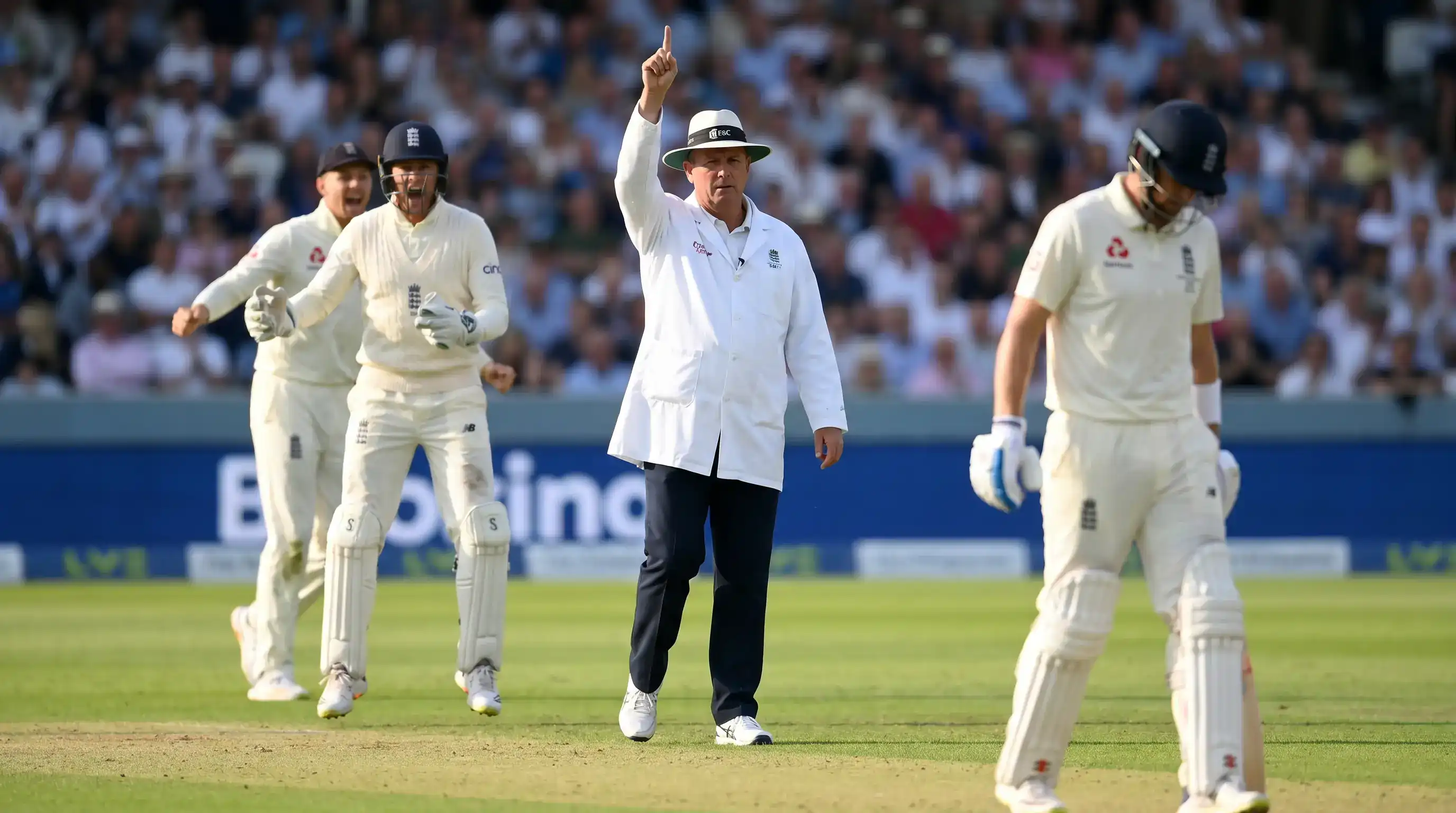
Second: visible deviation, no audio spike. The ball appears to deflect, but there is no corresponding peak on the waveform. This usually means the deflection came from the pad, not the bat. The visual was misleading. The audio absence is the deciding evidence, and the appeal is turned down.
Third: ambiguous audio, ambiguous visual. The spike is faint, the deflection is marginal, and Hot-Spot shows nothing. This is the third umpire’s nightmare scenario, and the rule is clear: if the evidence is not conclusive, the on-field decision stands. That is when an appeal that “looked out” is given not out, or vice versa, and the captain who reviewed it loses one of their challenges.
What makes these calls fair, in the long run, is that the same standard applies regardless of the team or the moment in the match. The third umpire is not trying to be a referee. He is trying to find the simplest explanation that fits the evidence available. When UltraEdge and the camera tell the same story, that story stands. When they do not, the system defaults to the umpire’s call.
If you want the broader context — how edge-detection fits into the wider DRS sequence, how Hawk-Eye handles ball-tracking for LBWs, and what umpire’s call actually means in numerical terms — I have written more on that in the cricket officiating technology guide.
Created by the "Stumply" editorial team.
