
The One-Day Cup in England: Format, Calendar Slot and Scoreboard Habits
 Available in US
The 50-Over Domestic Cup and Its Awkward Slot
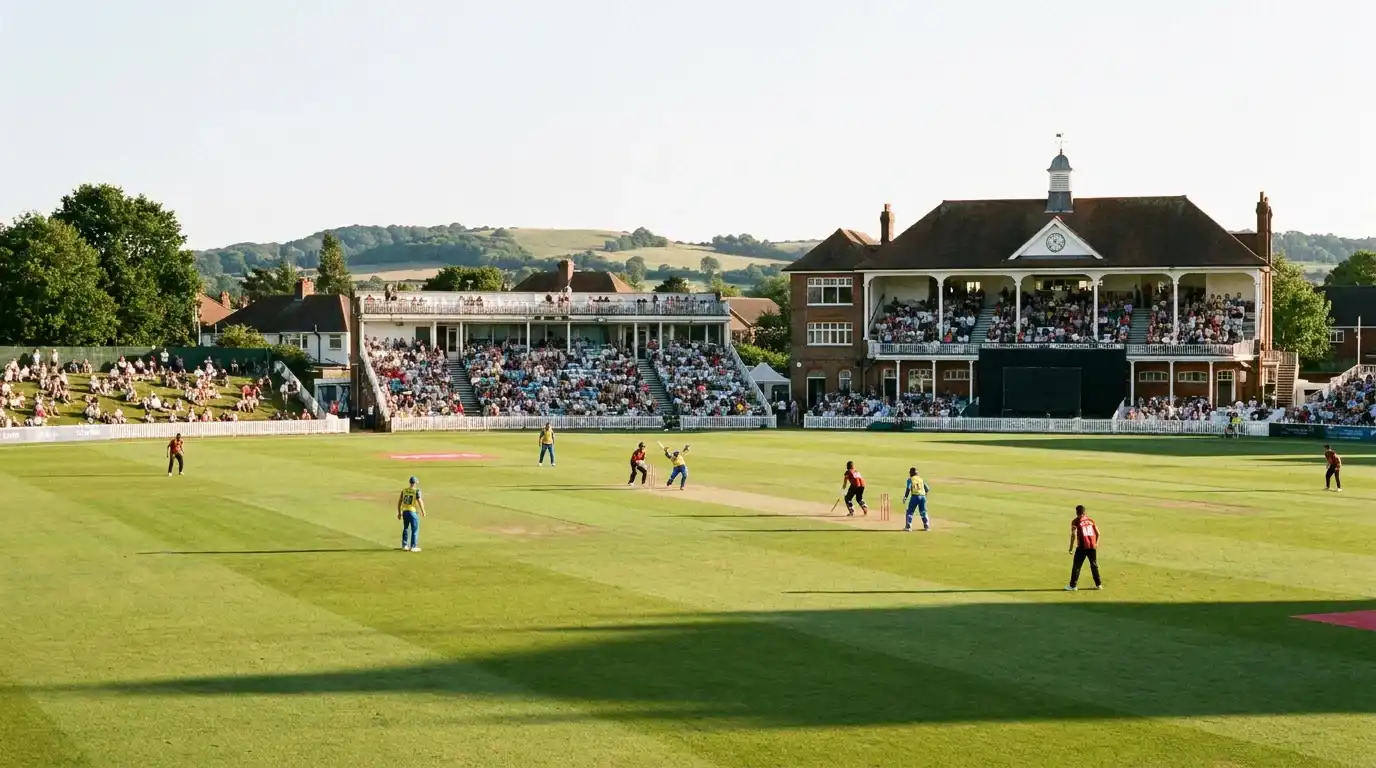
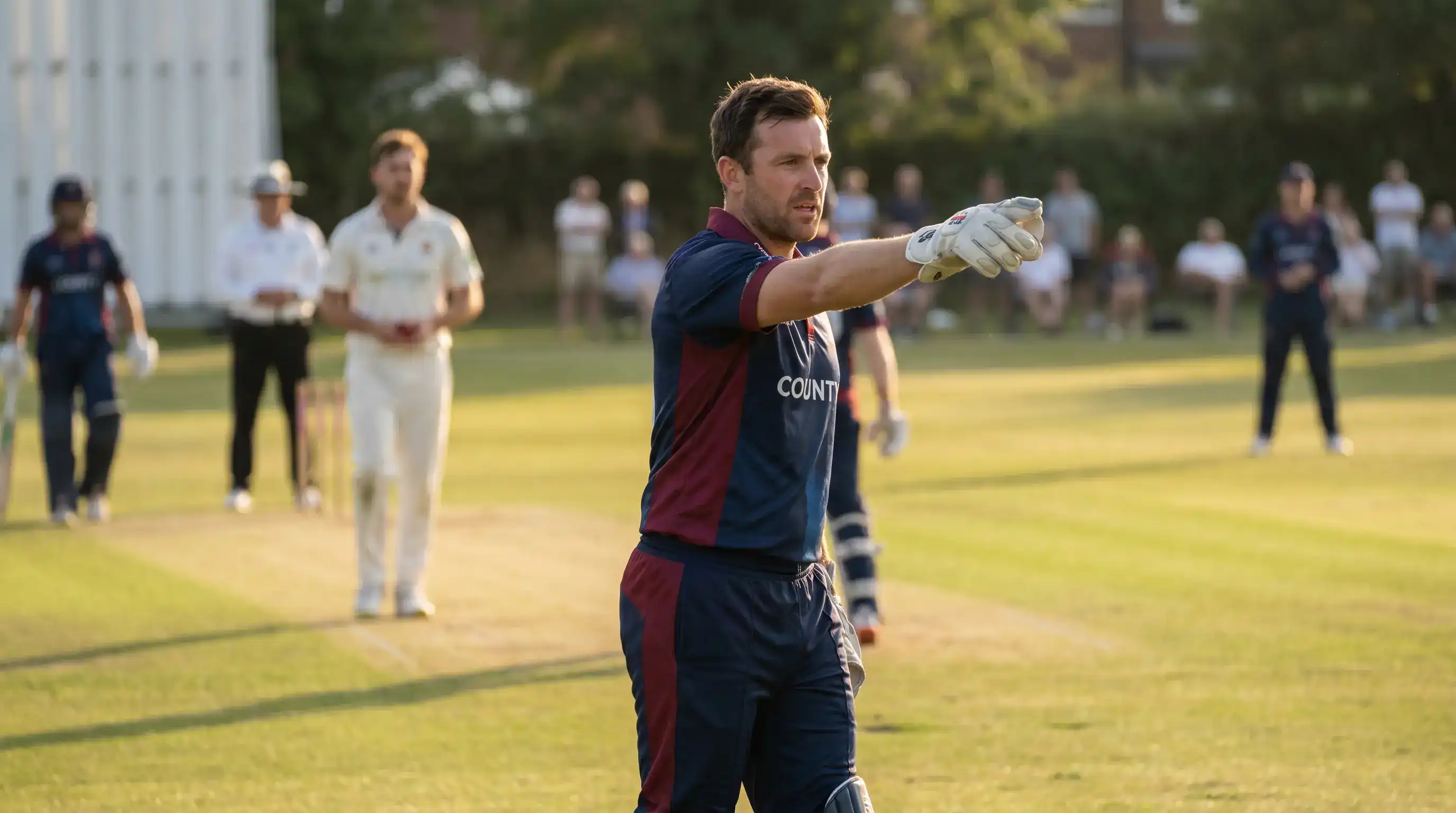
I went to a One-Day Cup match at Hove a couple of summers ago and I was, briefly, the youngest person in the row by about thirty years. The crowd was small, devoted, and made up almost entirely of members who had been coming to that ground for decades. They knew the players, the format, the bowlers’ preferred ends, and the kit-bag history of every member of the squad. The One-Day Cup is the part of the English cricket summer that runs almost in private — the format played by the county’s second-string squad while the senior names are at the Hundred.
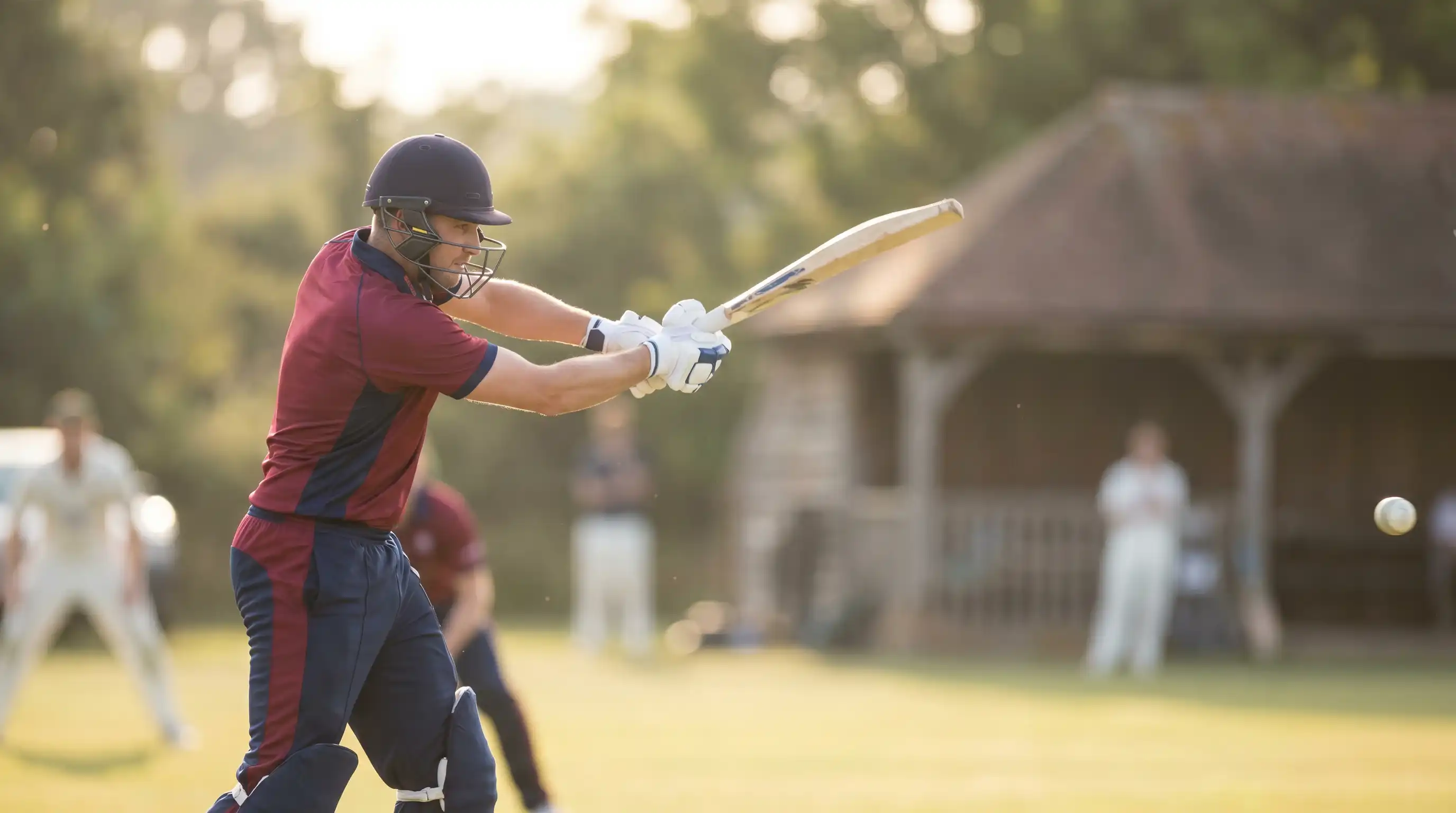
The 2025 Metro Bank One-Day Cup was won by Worcestershire — their first title in the competition. The full season ran 77 matches across 18 counties. Nick Gubbins finished as leading run-scorer with 707 runs. None of these numbers will have crossed the consciousness of most casual cricket fans because the competition runs in August alongside the headline Hundred, and the audience that pulls scores in real time is small and specific.
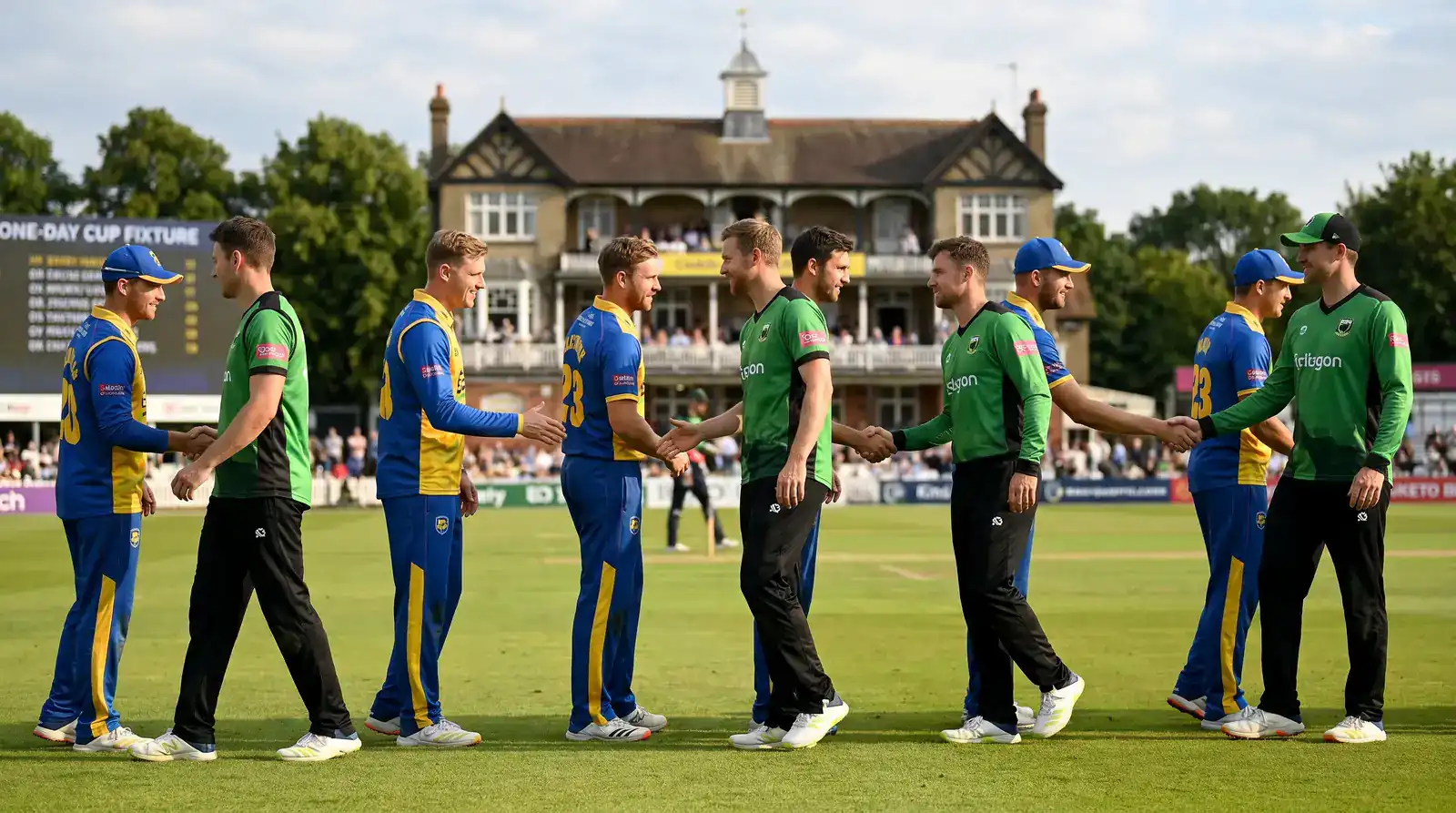
The Cup matters anyway, and not just to the eighteen counties involved. It is the 50-over development pathway for young English players. Many of the names that broke into international cricket in recent years had Cup runs as their proof of concept. The format also keeps the white-ball 50-over game alive at domestic level, which is more important than the audience size suggests for the future of English cricket.
Eighteen Counties, Two Groups
The competition divides the eighteen counties into two groups of nine — typically split along similar regional lines to the T20 Blast, though the exact configuration has shifted over years. Each county plays eight group matches, with the top three from each group qualifying for the knockout stage.
The match length is 50 overs per side, played in a single day. This is the same format as ODI cricket, with the same field restrictions, the same powerplay structure across three phases, and the same scoring conventions on the scorecard. A One-Day Cup scorecard reads identically to an ODI scorecard, with the only differences being the names on the team sheet and the venue listed at the top.

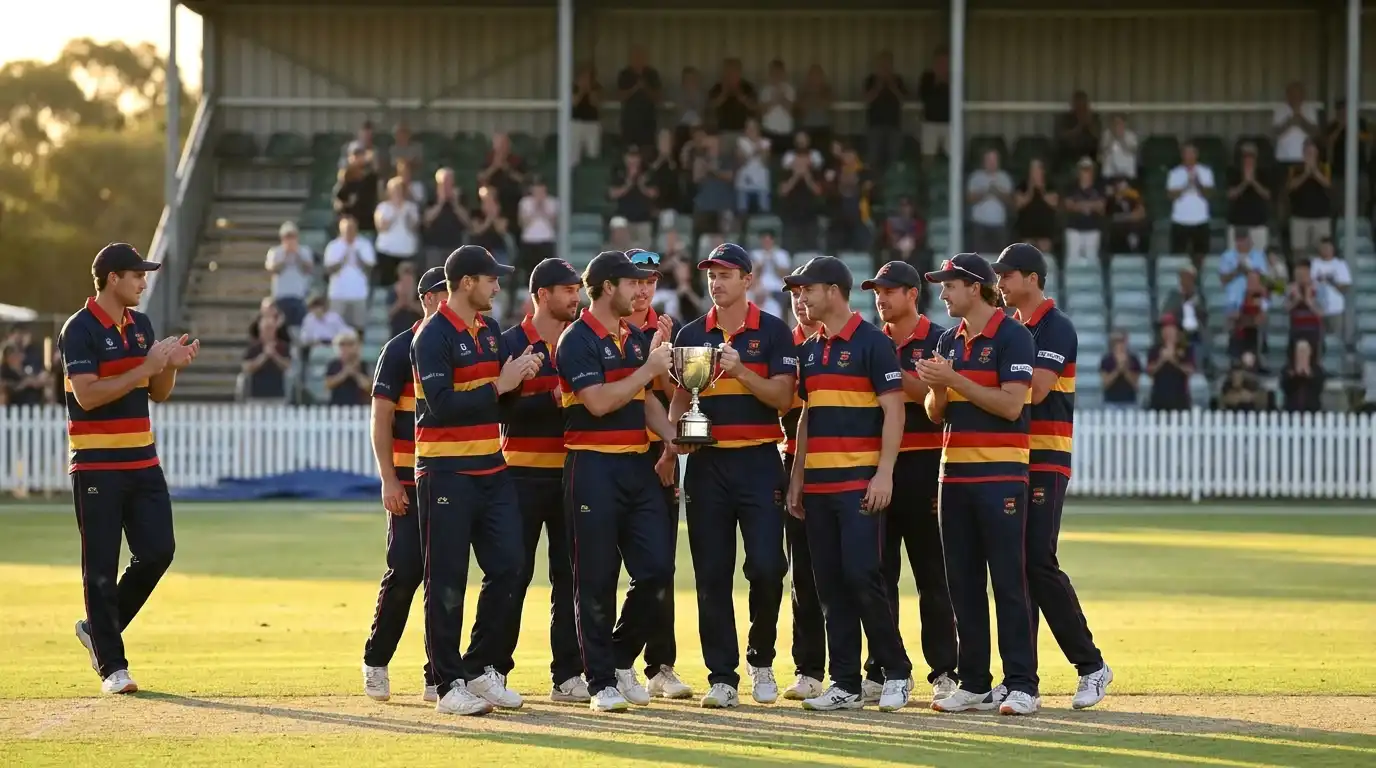
The knockout stage runs as standard quarter-finals, semi-finals, and a final. The 2025 final was played at Trent Bridge, with Worcestershire beating their opponents to take the trophy. The match drew a modest but engaged crowd — far smaller than the Hundred final or T20 Blast Finals Day, but populated by exactly the audience the competition is built for.
What is structurally interesting about the Cup is that the eighteen counties play it with squads that are usually missing their headline names. The Hundred runs in parallel and pulls in roughly a quarter of the country’s best white-ball players for its franchise teams. The counties that lose two or three senior names to the Hundred have to fill those squad spots with second XI players, academy graduates, and emerging signings. The result is a competition that exposes a much wider pool of players to first-class cricket than any other domestic competition does.
Why It Runs in Parallel with The Hundred
The scheduling overlap is the part of the Cup that has produced the most criticism over the past several years, and it is worth explaining how it ended up this way.
The English summer has a fixed window — roughly April to September — and the calendar has to fit four major domestic competitions inside it: the Championship, the T20 Blast, the Hundred, and the One-Day Cup. The Championship runs across the whole summer in two big blocks. The T20 Blast occupies May through July. The Hundred takes August. That leaves the One-Day Cup with the same August window or nothing at all, and the ECB chose the same window.
The Hundred has grown rapidly since its launch — over 580,000 tickets sold in 2025 and cumulative attendance topping 2.5 million across five seasons. Roughly 41 percent of Hundred audiences are families, and 30 percent are women. These are audiences the competition was specifically designed to attract, and the August window is the part of the school summer holiday when those audiences can actually attend. Moving the Hundred would mean losing that audience window. Moving the One-Day Cup would mean compressing the rest of the calendar in ways that cause their own problems.
The result is that the One-Day Cup runs as a deliberately secondary competition during August. The counties accept that their senior names will be at the Hundred. The Cup becomes a development pathway and a fixture that keeps the 50-over format alive at domestic level. The audience is small, the scheduling is unflattering, and the competition still serves a purpose that the broader cricket calendar needs.
How a One-Day Cup Scorecard Reads
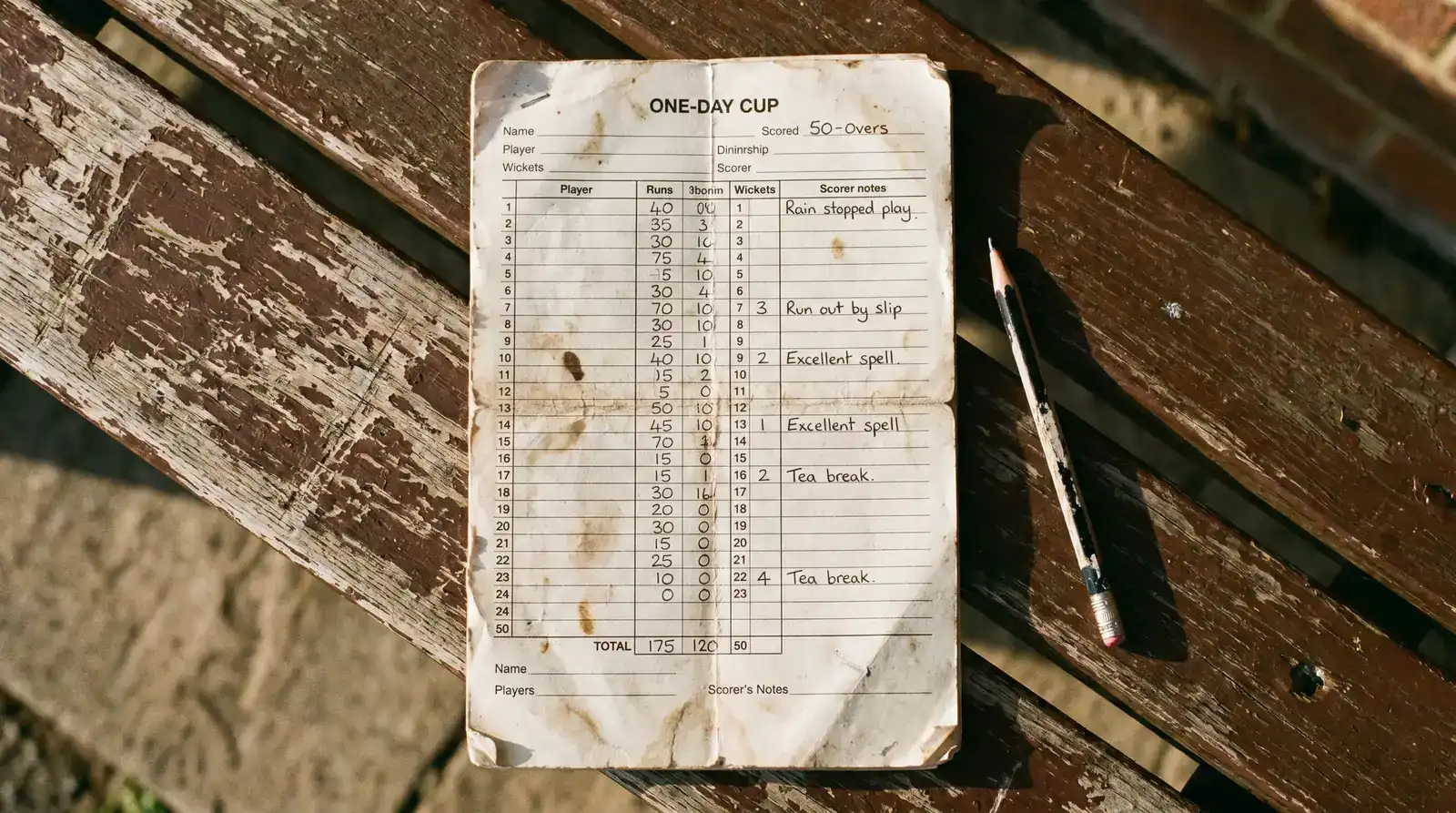
The Cup scorecard inherits its layout from ODI cricket. The top line shows the team total, wickets, overs, and run rate. The batting card lists each player’s score, balls faced, fours, sixes, and strike rate. The bowling card shows overs, maidens, runs, wickets, and economy. The fall of wickets section records the partnership total and overs at which each wicket fell.
The three-phase ODI powerplay applies — first ten overs with two fielders outside the circle, overs 11 to 40 with four fielders outside the circle, overs 41 to 50 with five fielders outside the circle. The scoreboard usually displays the powerplay phase alongside the run rate, and the projected total updates ball by ball during the first innings. The required run rate appears during the chase and ticks up or down with every legal delivery.
DLS applies if the match is rain-affected, which happens often enough in an English August. The par score appears on the scoreboard during the chase if the weather is threatening, alongside the regular RRR figure. The two answer different questions — the par is what the team needs to be ahead of right now to win if the innings ends, while the RRR is what they need to maintain if the full innings is played.
DRS is not used in the One-Day Cup at the county-game level. The cost of installing Hawk-Eye, UltraEdge, and the third-umpire infrastructure across eighteen counties is prohibitive, and the audience size does not justify it. On-field umpires call the matches, and disputed decisions stay with the on-field call. This is the same operating model as the County Championship, and it is one of the layers that genuinely separates domestic county cricket from international cricket in the UK.
Recent Winners and What the Numbers Say
Worcestershire’s 2025 win was their first One-Day Cup title — a milestone for a county that has spent much of the last decade rebuilding its squad and playing second-division Championship cricket. The competition’s tendency to produce first-time winners reflects how level the playing field becomes when senior names are at the Hundred.
Nick Gubbins’s 707 runs in the 2025 Cup made him the competition’s leading scorer. That number sits inside the context of a competition where match scores commonly run into the 280s and 300s and individual hundreds appear in roughly one in three matches. The format rewards batters who can pace an innings across 50 overs and bowlers who can take wickets without leaking runs across the long middle phase.
The competition’s domestic broadcast and live-score traffic is small compared to the Hundred or the Blast. The ECB Match Centre carries ball-by-ball coverage of every Cup match, but the platform’s traffic during Cup days sits well below the Hundred numbers. The audience for the Cup is the dedicated county-supporter base — members, ex-players, family of current players, and a smaller national following that tracks emerging talent.
What the Cup tells you about English cricket as a whole is that the 50-over format still has a place in the domestic ecosystem, even if it has been squeezed by the rise of T20 and the Hundred. Many of the players who have come through England’s white-ball setup in recent years had their early proof points in this competition. The Cup is the part of the calendar where new names get seen and where the pipeline keeps moving. For the small audience that follows it closely, the live-score traffic might be light, but the cricket itself is anything but irrelevant.
If you want the wider context on where the One-Day Cup sits inside the UK domestic calendar alongside the Championship, the T20 Blast, and the Hundred, there is more on that in our UK cricket season calendar guide.
Prepared by the Stumply editorial staff.
